
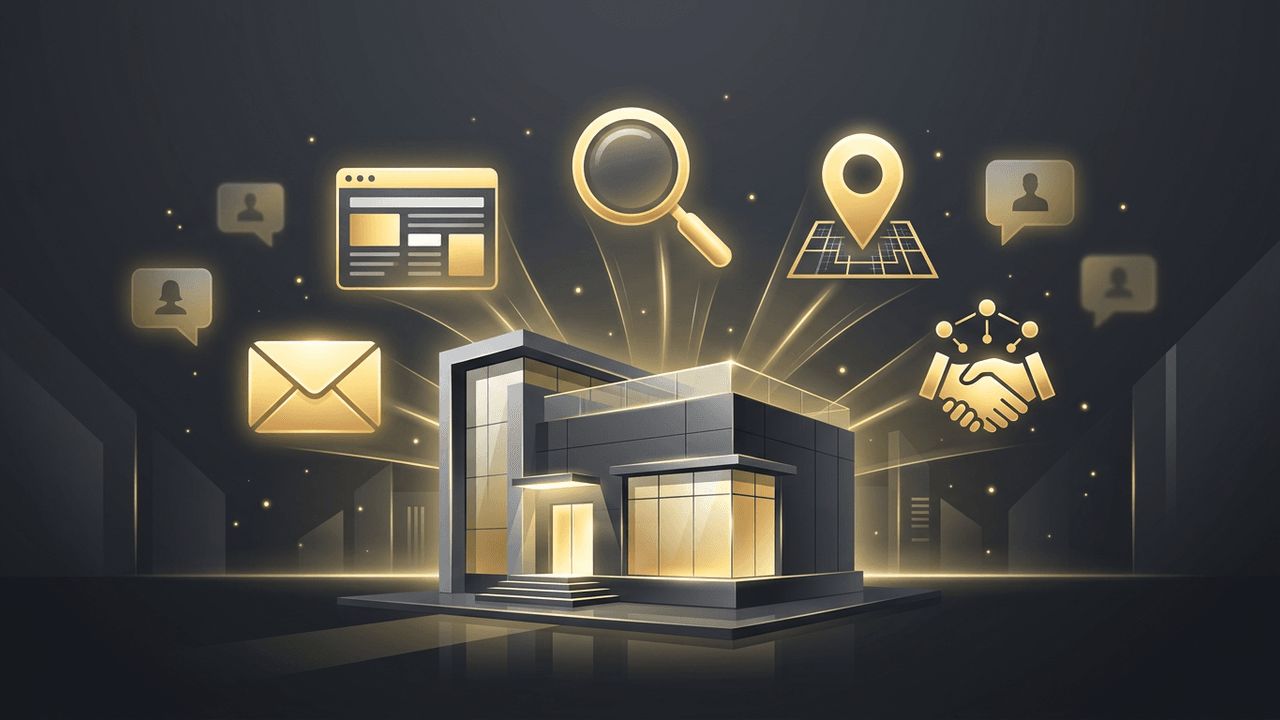
Social media is often presented as an essential part of modern marketing, but not every business owner wants to spend time creating posts, managing comments, or following algorithm changes. Some industries see limited returns from social platforms, while some entrepreneurs simply prefer other channels. This leads to a common question: can I market my business without social media? The short answer is yes. Many successful businesses grow primarily through search, referrals, email, partnerships, and local marketing.
This article explores effective alternatives to social media, the pros and cons of skipping it, and how to build a strong marketing strategy without relying on social platforms.
How AAMAX.CO Helps Businesses Grow Beyond Social Media
Businesses that want growth without heavy reliance on social platforms can partner with AAMAX.CO, a full-service digital marketing company offering Web Development, Digital Marketing, and SEO Services worldwide. They build fast, conversion-focused websites, improve organic visibility through search engine optimization, and run targeted Google Ads campaigns that capture customers actively searching for solutions. Their approach gives businesses a reliable marketing engine that does not depend on posting every day.
Why Some Businesses Avoid Social Media
There are many legitimate reasons to minimize social media marketing:
- Limited time or resources: Consistent content creation and community management are demanding.
- Audience mismatch: Some target customers, such as specialized B2B buyers, may not use social platforms for purchasing decisions.
- Industry restrictions: Regulated sectors like finance, healthcare, and legal services face compliance challenges.
- Algorithm uncertainty: Declining organic reach can make results unpredictable.
- Personal preference: Some owners simply prefer channels they control.
Effective Alternatives to Social Media Marketing
1. Search Engine Optimization
SEO helps your website appear in search results when people look for your products or services. Because searchers already have intent, organic traffic often converts well. Investing in keyword research, quality content, technical optimization, and backlinks builds long-term visibility that continues working without daily effort.
2. Paid Search Advertising
Search ads place your business at the top of results for targeted keywords. You pay when someone clicks, and you can reach customers precisely when they are ready to buy. Paid search offers fast, measurable results and complements organic SEO.
3. Local SEO and Business Listings
For local businesses, an optimized business profile on major map and search platforms is invaluable. Accurate information, photos, and positive reviews help you appear in local searches and map results. Consistent listings across directories also improve credibility.
4. Email Marketing
Email remains one of the highest-ROI channels available. Build a list through your website, events, and purchases, then nurture subscribers with newsletters, promotions, and personalized messages. Unlike social media, you own your email list and control how often you reach your audience.
5. Content Marketing
Blogs, guides, case studies, and videos hosted on your website attract organic traffic, demonstrate expertise, and support SEO. Valuable content builds trust and positions your business as an authority.
6. Referral and Word-of-Mouth Marketing
Satisfied customers are powerful promoters. Encourage referrals with incentive programs, exceptional service, and follow-up communication. Word-of-mouth remains one of the most trusted forms of marketing.
7. Partnerships and Networking
Collaborate with complementary businesses, join industry associations, attend trade shows, and participate in community events. Strategic partnerships can introduce your business to established audiences.
8. Public Relations
Media coverage, guest articles, podcasts, and interviews build credibility and reach without relying on social platforms.
9. Traditional Marketing
Direct mail, print advertising, radio, signage, and sponsorships still work, particularly for local businesses and specific demographics.
Pros and Cons of Skipping Social Media
Advantages
- More time to focus on high-intent channels.
- Reduced dependence on unpredictable algorithms.
- Greater control over owned assets like websites and email lists.
- Lower content production demands.
Disadvantages
- Reduced brand visibility among social-first audiences.
- Fewer opportunities for direct customer engagement.
- Less social proof when prospects search for your brand.
- Missed opportunities for retargeting and community building.
A Balanced Middle Ground
Some businesses choose a minimal social presence rather than abandoning it entirely. Maintaining basic profiles with accurate information, occasional updates, and reviews ensures credibility when prospects look for you, without requiring significant effort. You can also use social advertising selectively for retargeting without managing a full organic strategy.
Building Your Strategy Without Social Media
- Invest in a professional, mobile-friendly website optimized for conversions.
- Prioritize SEO and local search visibility.
- Use paid search to capture high-intent customers.
- Build and nurture an email list.
- Create valuable content that answers customer questions.
- Encourage reviews and referrals.
- Track results and refine your approach.
Conclusion
So, can I market my business without social media? Absolutely. With a strong website, search visibility, email marketing, referrals, partnerships, and targeted advertising, many businesses thrive without daily social posting. The key is choosing channels that align with your audience and goals, investing consistently, and measuring performance. Whether you skip social entirely or maintain a light presence, a strategic, multi-channel approach will keep your business growing.
Want to publish a guest post on aamconsultants.org?
Place an order for a guest post or link insertion today.