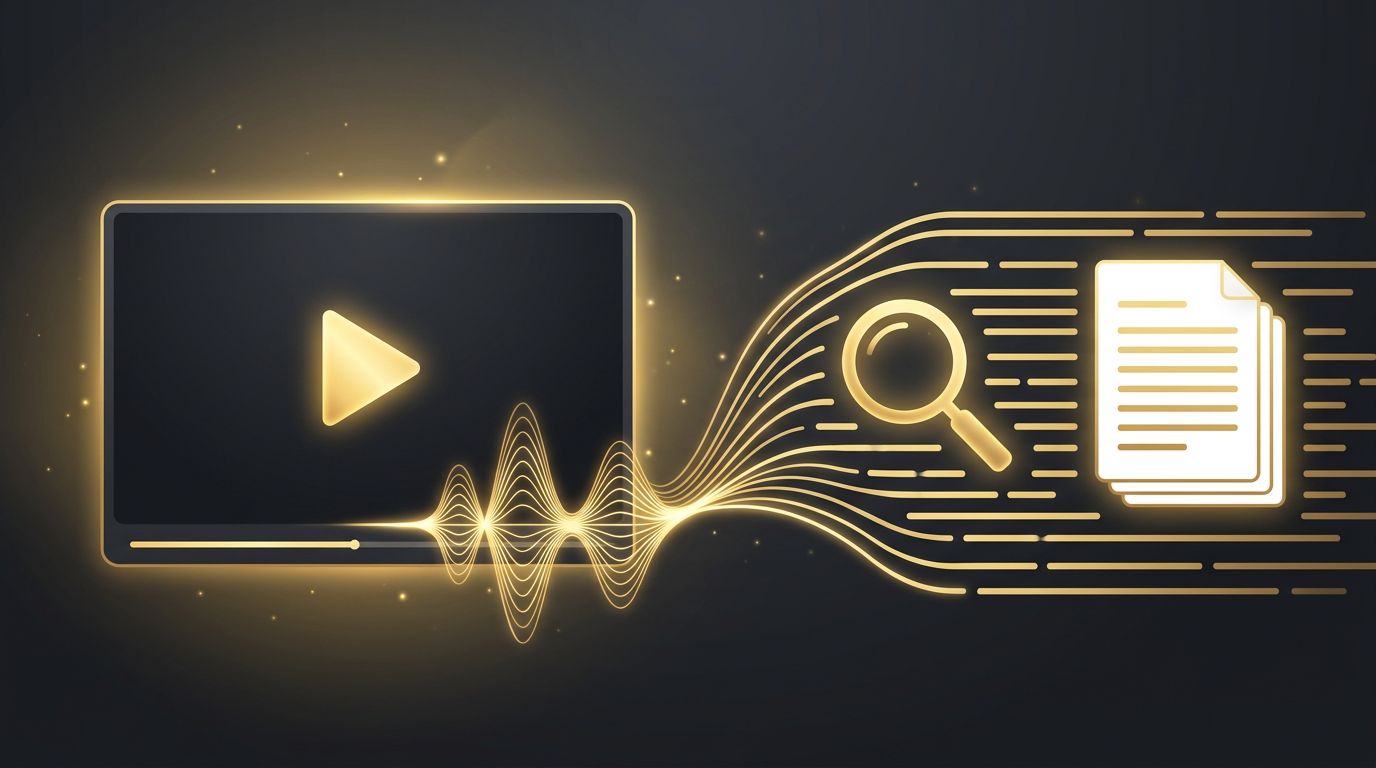
Video has become one of the most engaging forms of online content, but search engines still rely heavily on text to understand what a video is about. That is where transcripts come in. A transcript is a written version of everything spoken in a video, and it can make your content more accessible, more discoverable, and more useful. Do video transcripts help SEO? According to Google's own documentation and widely accepted best practices, providing text alongside video helps search engines understand your content and gives users another way to engage. This article explains what Google's documentation says about video and text, how transcripts support SEO, and how to implement them effectively.
How AAMAX.CO Helps Brands Optimize Video for Search
Getting video content to rank requires more than uploading a file. AAMAX.CO is a full-service digital marketing company offering Web Development, Digital Marketing, and SEO Services worldwide. Their team optimizes video pages with transcripts, structured data, thumbnails, and supporting content so search engines can properly index and feature them. Their SEO services cover video SEO as part of a broader content strategy, and their GEO services help make video content understandable to AI-powered search experiences. Businesses that hire them get more visibility and value from every video they produce.
What Google's Documentation Says About Video SEO
Google Search Central provides video SEO best practices that explain how Google discovers and understands videos. The documentation emphasizes several key points. Google needs to find the video on a public web page, understand what the video is about, and be able to fetch the video file and thumbnail. To help Google understand the content, the documentation recommends providing structured data with VideoObject markup, including details such as the title, description, thumbnail URL, upload date, and duration. It also encourages placing the video on a page with relevant content and making sure the video is easy to find on the page.
Google has also noted that it can extract information from the page surrounding a video, including text on the page, to understand the video's topic. While Google does not describe transcripts as a direct ranking factor, relevant text content on the page, which a transcript provides, helps search engines interpret and match the video to search queries. Google's structured data documentation also supports properties that help surface key moments within a video, which can be informed by clear, well-structured content.
How Video Transcripts Help SEO
They Provide Indexable Text
Search engines have improved at analyzing audio and video, but text remains the most reliable way for them to understand content. A transcript turns spoken words into crawlable, indexable text that search engines can process directly. This allows your page to rank for keywords and phrases mentioned in the video.
They Increase Keyword Relevance Naturally
When people speak naturally about a topic, they use a wide range of related terms, synonyms, and long-tail phrases. A transcript captures this language, helping your page appear for a broader set of queries without artificial keyword placement.
They Improve Accessibility
Transcripts and captions make video content accessible to people who are deaf or hard of hearing, as well as users who prefer reading or are watching without sound. Accessibility is a core part of good user experience, and content that serves more people tends to earn better engagement.
They Boost Engagement
Some visitors prefer to skim text instead of watching a full video. Offering a transcript gives them an alternative, which can keep them on the page longer and reduce the chance they leave immediately. Readers can also quickly find the section most relevant to them.
They Support Featured Snippets and AI Answers
Clear, well-organized text can be extracted for featured snippets and cited in AI-generated answers. A transcript, especially one edited into readable paragraphs with headings, increases the chances that your content will be used as a source.
Transcripts vs. Captions
Captions and transcripts serve related but different purposes. Captions are synchronized with the video and appear on screen as it plays. Transcripts are standalone text, usually displayed on the page below or beside the video. Captions uploaded to platforms like YouTube can help those platforms understand video content, while on-page transcripts provide text for search engines crawling your website. Using both offers the greatest benefit.
Best Practices for Using Video Transcripts
- Place the transcript on the same page as the video. This ties the text directly to the video content.
- Make it crawlable. Use standard HTML text rather than loading the transcript only through scripts or images.
- Edit for readability. Clean up filler words, correct errors, and break the text into paragraphs with descriptive headings.
- Add VideoObject structured data. Follow Google's documentation to provide title, description, thumbnail, and upload date.
- Use accurate captions. Review automatically generated captions for mistakes before publishing.
- Write a strong title and description. These remain important signals for video search.
- Include timestamps. Timestamps help users navigate and can support key moments in search results.
Should You Use Automatic Transcription?
Automatic transcription tools and AI speech recognition have made creating transcripts fast and affordable. They are a great starting point, but always review and edit the output. Errors in names, technical terms, or product details can confuse users and search engines. A polished transcript reflects well on your brand and delivers better SEO value.
Conclusion
Do video transcripts help SEO? Based on Google's documentation and proven best practices, the answer is yes. While transcripts are not described as a direct ranking factor, they provide indexable text that helps search engines understand your video, broaden keyword relevance, improve accessibility, boost engagement, and increase the chance of appearing in featured snippets and AI answers. Combine transcripts with captions, structured data, and relevant page content, and your videos will be far more discoverable in search.
Want to publish a guest post on aamconsultants.org?
Place an order for a guest post or link insertion today.