
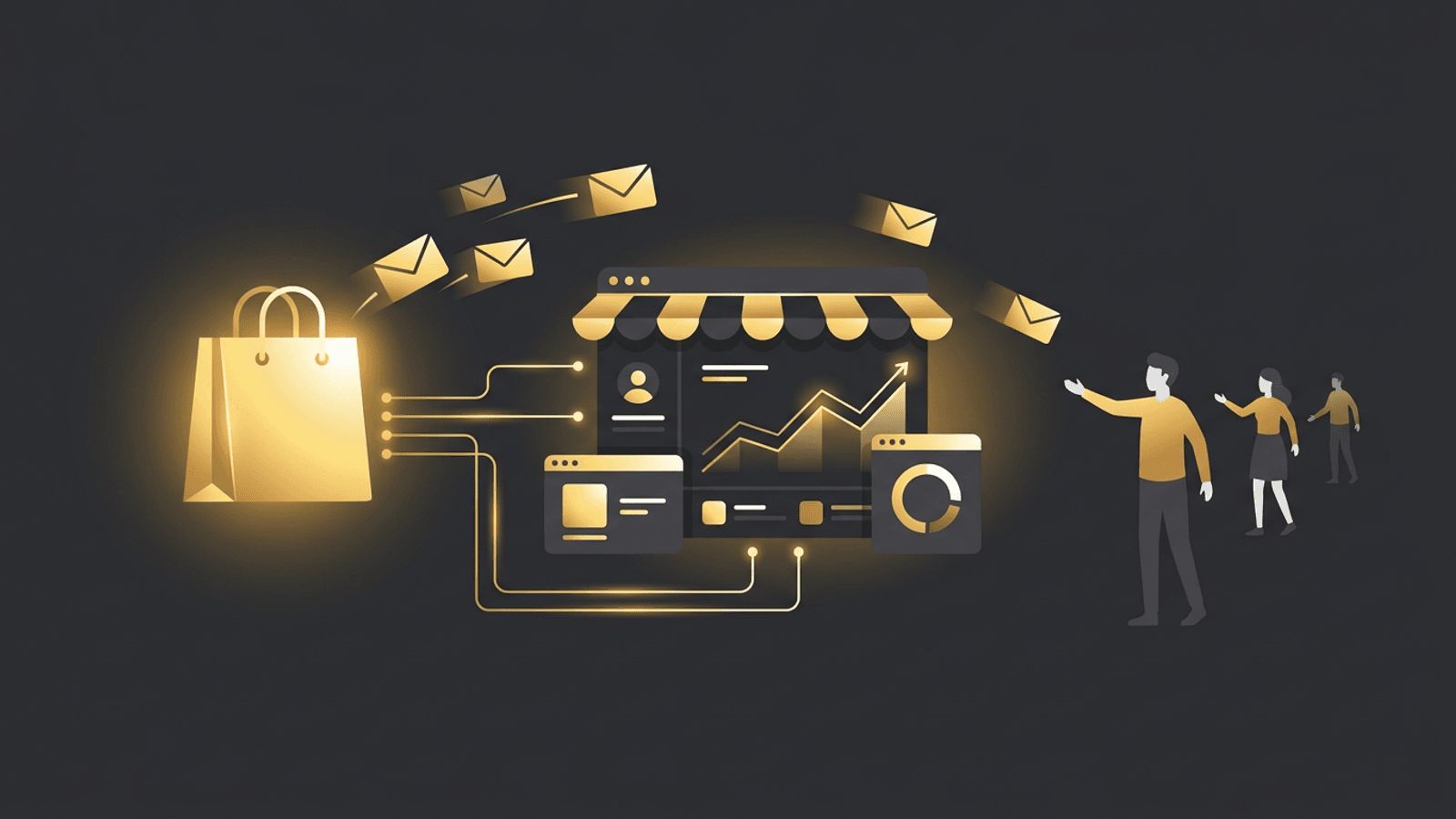
For merchants running online stores on Shopify, email marketing is one of the most effective ways to drive repeat sales and recover lost revenue. A common question new store owners ask is whether Shopify includes email marketing capabilities or whether they need a separate tool. The answer is yes, Shopify offers its own built-in email marketing solution, commonly known as Shopify Email. It integrates directly with your store data and is designed to make email marketing accessible for merchants of all sizes. This guide explains what it offers, how it works, and when you might want additional tools.
How AAMAX.CO Helps Shopify Merchants Grow
A successful Shopify store needs more than a great product; it needs traffic, conversions, and loyal customers. AAMAX.CO is a full-service digital marketing company offering web development, digital marketing, and SEO services worldwide. They help Shopify merchants build fast, conversion-focused storefronts, set up effective email and automation programs, and attract new shoppers. Their Google Ads management also brings high-intent traffic to stores, which email campaigns can then convert into repeat customers.
What Is Shopify Email?
Shopify Email is a native email marketing tool available within the Shopify admin. It allows merchants to create, send, and track email campaigns without leaving their store dashboard. Because it is built into Shopify, it automatically pulls in your store branding, products, and customer data, making it easy to design emails that feature your inventory and reflect your brand.
Key Features of Shopify Email
- Branded templates: Pre-designed templates for promotions, product launches, announcements, and newsletters.
- Drag-and-drop editor: A simple editor for customizing layout, text, images, and buttons without coding.
- Product integration: Easily add products, prices, and images from your store catalog.
- Customer segmentation: Target emails to customer segments based on store data such as purchase history and location.
- Marketing automations: Set up automated emails like welcome messages, abandoned checkout reminders, and post-purchase follow-ups.
- Performance tracking: View opens, clicks, and sales attributed to each campaign within Shopify analytics.
How Shopify Email Pricing Works
Shopify Email typically includes a monthly allowance of free emails, with additional emails billed at a low per-email rate once you exceed that allowance. Exact allowances and pricing can change and may vary by plan, so check Shopify's current pricing details. For many small and growing stores, the cost is very competitive compared with standalone email platforms.
Automations Available in Shopify
Automation is where much of email's revenue potential lies. Shopify offers automation templates for common scenarios, including welcoming new subscribers, recovering abandoned checkouts and carts, following up after purchases, and winning back customers who have not bought recently. These flows can be customized with your own timing, content, and conditions using Shopify's automation tools.
Benefits of Using Shopify's Native Email Tool
The biggest advantage is simplicity. Everything lives in one place, so there is no need to connect external integrations or sync data between platforms. Product information updates automatically, and sales attribution is straightforward. For merchants just starting with email marketing, Shopify Email provides a low-friction way to launch campaigns quickly.
Limitations to Consider
While Shopify Email is capable, it may not satisfy every business as it grows. Advanced segmentation, predictive analytics, complex multi-branch workflows, sophisticated A/B testing, and integrated SMS marketing are areas where specialized third-party platforms often offer more depth. Larger brands with extensive catalogs and complex customer journeys may find they need these advanced capabilities.
Third-Party Email Marketing Apps for Shopify
The Shopify App Store includes many email marketing platforms that integrate tightly with Shopify stores. These apps sync customer, product, and order data, enabling advanced personalization, product recommendations, detailed revenue reporting, and powerful automation builders. Many also combine email with SMS, reviews, and loyalty features. When choosing an app, consider your list size, budget, desired features, and how deeply it integrates with your store.
Best Practices for Shopify Email Marketing
Start by capturing emails with signup forms and pop-ups offering a first-purchase incentive. Set up essential automations, especially welcome emails and abandoned checkout reminders, before focusing on campaigns. Segment customers by purchase behavior to send more relevant offers. Showcase products with high-quality images and clear calls to action. Monitor results regularly and refine your approach based on which campaigns generate the most sales.
Staying Compliant
Only email customers who have opted in to marketing communications. Shopify tracks marketing consent for each customer, making it easier to send only to those who have agreed. Include your business address and an easy unsubscribe link in every marketing email to comply with anti-spam regulations.
Conclusion
Does Shopify have email marketing? Yes. Shopify Email provides a convenient, integrated solution for creating branded campaigns, setting up automations, and tracking results directly from your store admin. It is an excellent starting point for most merchants. As your business grows and your needs become more sophisticated, third-party apps can extend your capabilities. Whichever path you choose, consistent and relevant email marketing will help your Shopify store increase sales and build customer loyalty.
Want to publish a guest post on aamconsultants.org?
Place an order for a guest post or link insertion today.