AI and the Future of Work
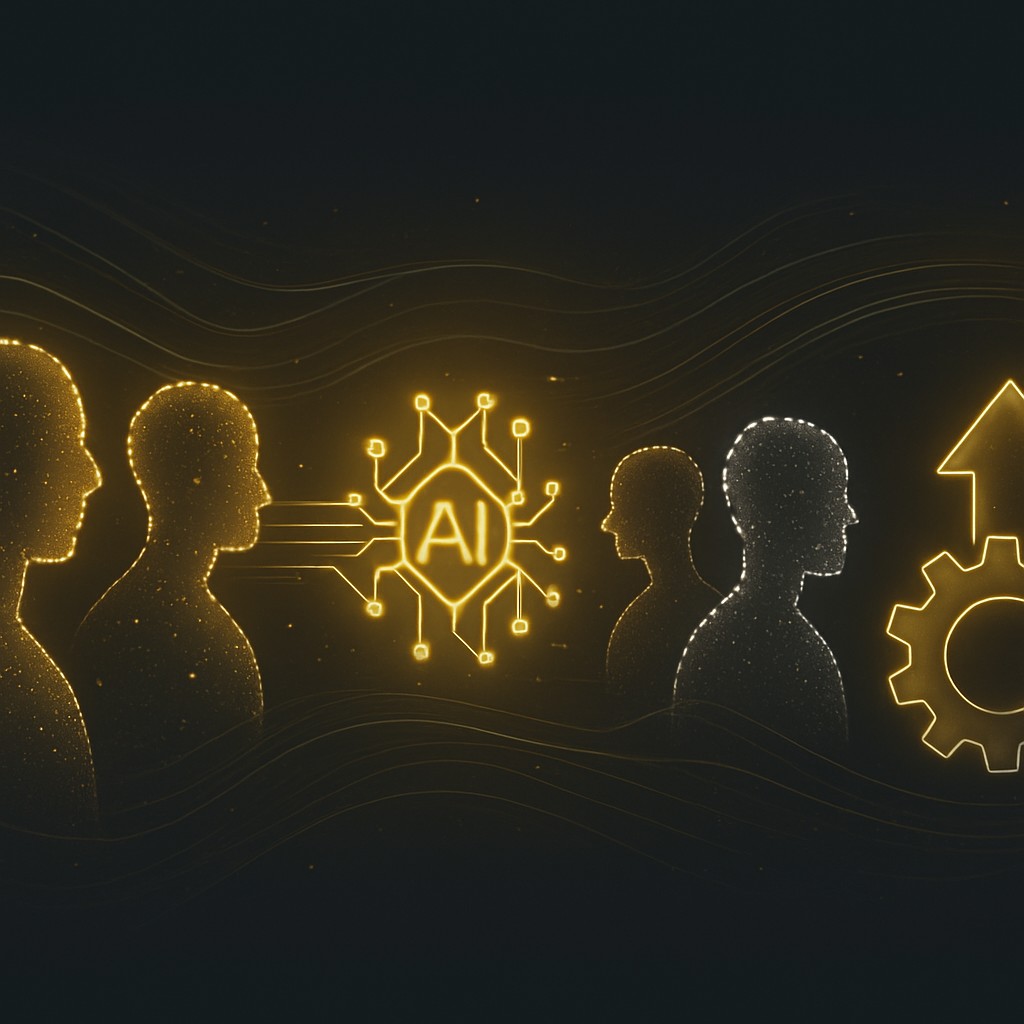
Few topics spark as much debate as the effect of artificial intelligence on employment. As AI grows more capable, many wonder how it could change the job market, which roles are at risk, which will emerge, and how workers can prepare. The reality is nuanced. AI is unlikely to simply eliminate jobs wholesale; instead, it is reshaping the nature of work by automating certain tasks, augmenting human capabilities, and creating entirely new categories of employment. Understanding these dynamics helps individuals and businesses prepare for a future where humans and AI increasingly work side by side.
History offers useful perspective. Previous waves of technology, from the industrial revolution to the rise of computing, displaced some jobs while creating many others. AI is likely to follow a similar pattern, transforming the labor market rather than hollowing it out. The key difference is the speed and breadth of change, which makes adaptability more important than ever.
How AAMAX.CO Helps Businesses Adapt to an AI-Driven Economy
As AI reshapes industries, businesses must evolve to stay competitive and relevant. AAMAX.CO is a full-service digital marketing company that helps organizations worldwide adapt to technological change and build a strong digital presence. Their team supports businesses in embracing AI-driven tools and modern marketing while strengthening their online foundations. Through their website development and broader services, they help companies position themselves for growth in an economy increasingly shaped by automation and artificial intelligence.
Tasks That AI Is Likely to Automate
AI is particularly effective at automating repetitive, rule-based, and data-heavy tasks. Roles centered on routine data entry, basic content generation, simple customer inquiries, and predictable analysis are likely to be heavily augmented or automated. This does not always mean job loss; often it means that workers in these roles shift toward higher-value activities while AI handles the routine portions. For example, customer service agents may focus on complex issues while chatbots handle simple questions, and analysts may interpret AI-generated insights rather than manually crunching numbers.
The pattern is one of augmentation more than outright replacement. AI takes over the predictable parts of a job, freeing humans to focus on judgment, creativity, relationships, and problem-solving, areas where people still excel.
New Roles and Opportunities
Just as AI automates some tasks, it creates demand for new skills and roles. Jobs focused on developing, training, and maintaining AI systems are growing rapidly. So are roles centered on prompt design, AI ethics, data management, and human oversight of automated systems. Beyond technical roles, there is rising demand for professionals who can bridge AI capabilities with business strategy, ensuring technology delivers real value. Creative, strategic, and interpersonal roles, which rely on uniquely human strengths, are likely to remain in demand and may even expand as AI handles routine work.
Importantly, many emerging roles do not yet exist in their final form. Just as the internet created careers no one anticipated decades ago, AI will spawn opportunities we cannot fully predict, rewarding those who stay curious and adaptable.
Preparing for an AI-Shaped Job Market
Adapting to these changes requires a focus on lifelong learning and skill development. Workers benefit from building skills that complement AI rather than compete with it, such as critical thinking, creativity, emotional intelligence, and complex problem-solving. Learning to work effectively with AI tools is becoming a core competency across many fields. For businesses, the priority is reskilling and upskilling employees, redesigning roles to combine human and AI strengths, and fostering a culture of continuous learning.
Policymakers and educators also play a role, ensuring access to training and support systems that help workers transition. The goal is to harness AI's productivity gains while minimizing disruption and expanding opportunity.
Conclusion
AI could change the job market significantly, automating routine tasks, augmenting human work, and creating new roles and skill demands. Rather than a simple story of job loss, the more likely outcome is a transformation in how work is done, with humans and AI collaborating. Those who embrace adaptability, continuous learning, and uniquely human skills will be best positioned to thrive. Businesses that proactively adapt, with the right strategic and digital support, can turn this transformation into a powerful opportunity for growth.
Want to publish a guest post on aamconsultants.org?
Place an order for a guest post or link insertion today.