
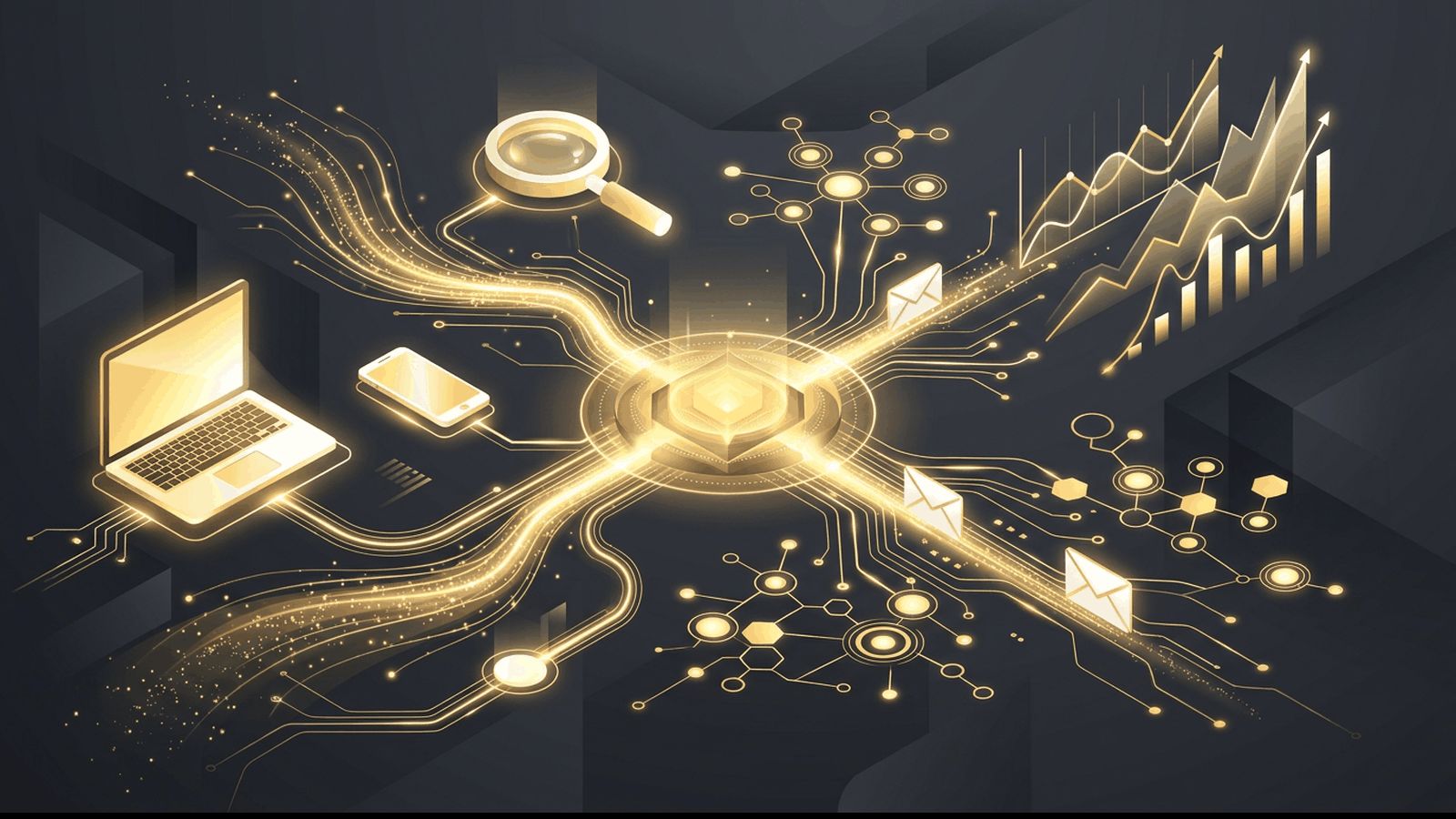
Digital marketing has become the backbone of modern business growth, yet many business owners still wonder exactly how it works. At its core, digital marketing is the practice of promoting products and services through online channels such as search engines, social media platforms, email, websites, and mobile apps. Unlike traditional advertising, it allows businesses to target specific audiences, measure every interaction, and adjust strategies in real time. Understanding how digital marketing works helps companies invest wisely and build systems that consistently attract and convert customers.
How AAMAX.CO Makes Digital Marketing Work for Businesses
Companies that want a complete, results-driven online strategy can hire AAMAX.CO. They are a full service digital marketing company offering Web Development, Digital Marketing, and SEO Services worldwide. Their team connects every piece of the digital ecosystem, from website design and search visibility to paid campaigns and social engagement, so that each channel supports the others. By focusing on measurable outcomes rather than vanity metrics, they help businesses understand exactly how their marketing investment turns into leads and revenue.
The Foundation: A Conversion-Focused Website
Every digital marketing strategy begins with a website. It serves as the central hub where all channels send traffic. A strong website loads quickly, works flawlessly on mobile devices, clearly communicates value, and guides visitors toward a specific action, such as making a purchase, booking a call, or filling out a form.
Without a well-built website, even the best advertising campaigns will underperform because visitors will leave before converting. That is why web development and user experience design are integral parts of digital marketing rather than separate concerns.
Attracting Visitors Through Search Engines
When people need a product, service, or answer, they usually start with a search engine. SEO services help businesses appear in organic search results for relevant queries. This involves optimizing website structure, creating high-quality content, earning backlinks from reputable sites, and ensuring technical elements like page speed and indexing are in good shape.
Search engines evaluate hundreds of signals to determine which pages deserve to rank. By aligning content with what users are searching for and demonstrating expertise and trustworthiness, businesses can earn consistent, free traffic over time. Increasingly, AI-powered search tools also summarize answers from web content, making authoritative, well-structured pages more valuable than ever.
Paid Advertising for Immediate Visibility
While organic search builds long-term value, paid advertising delivers immediate exposure. Platforms such as Google, Microsoft, Meta, LinkedIn, and TikTok allow businesses to display ads to users based on keywords, demographics, interests, and behaviors. Advertisers typically pay per click or per thousand impressions.
The power of paid advertising lies in precision and control. Marketers can set daily budgets, choose exactly who sees their ads, test different headlines and images, and stop campaigns instantly if they are not performing. Conversion tracking reveals which ads generate sales, allowing budget to flow toward the most profitable campaigns.
Building Relationships on Social Media
Social media marketing helps brands build awareness, engage communities, and humanize their identity. Businesses share content, respond to comments, collaborate with creators, and run targeted ads on platforms where their audiences spend time.
Social media works differently from search. People are not always actively looking to buy, so content must capture attention, entertain, educate, or inspire. Over time, consistent engagement builds familiarity and trust, which makes audiences more likely to choose the brand when they are ready to purchase.
Nurturing Leads With Email Marketing
Email marketing remains one of the highest return channels in digital marketing. Once a visitor shares their email address, businesses can send newsletters, promotions, educational content, and personalized recommendations. Automated sequences, such as welcome series, abandoned cart reminders, and post-purchase follow-ups, run continuously in the background.
Email works because it is permission-based and direct. Subscribers have chosen to hear from the brand, which leads to higher engagement than many other channels. Segmentation and personalization further improve results by ensuring each message feels relevant.
Content Marketing as the Fuel
Content is what powers nearly every digital channel. Blog posts, videos, guides, infographics, podcasts, and case studies attract search traffic, provide social media material, and give email subscribers a reason to open messages. Good content answers questions, solves problems, and positions the business as a trusted expert.
A content strategy maps topics to each stage of the customer journey. Awareness content introduces problems and ideas, consideration content compares solutions, and decision content addresses objections and showcases proof. This structure helps move prospects naturally toward purchase.
The Customer Journey and Funnel
Digital marketing works best when channels are coordinated around the customer journey. A prospect might discover a brand through a social media video, search for reviews on Google, visit the website, subscribe to the newsletter, receive a discount email, and finally make a purchase. Each touchpoint plays a role.
Retargeting ads remind visitors who left without buying, while personalized emails bring them back. Understanding this multi-touch journey allows marketers to allocate budget effectively rather than giving all credit to the last click.
Data, Analytics, and Continuous Optimization
The defining advantage of digital marketing is measurability. Analytics platforms track where visitors come from, what they do on the website, and whether they convert. Marketers monitor key metrics such as traffic, conversion rate, cost per acquisition, customer lifetime value, and return on ad spend.
These insights fuel continuous improvement. Marketers run A/B tests on landing pages, refine targeting, adjust bids, and rewrite content based on performance data. Over time, this cycle of testing and learning compounds into significantly better results.
Conclusion
Digital marketing works by combining a strong website with multiple channels that attract, engage, convert, and retain customers. Search engines bring intent-driven traffic, paid ads provide immediate reach, social media builds relationships, email nurtures leads, and content fuels the entire system. Analytics tie everything together, revealing what works and where to improve. Businesses that understand and coordinate these elements can build a predictable, scalable engine for growth in an increasingly digital world.
Want to publish a guest post on aamconsultants.org?
Place an order for a guest post or link insertion today.