
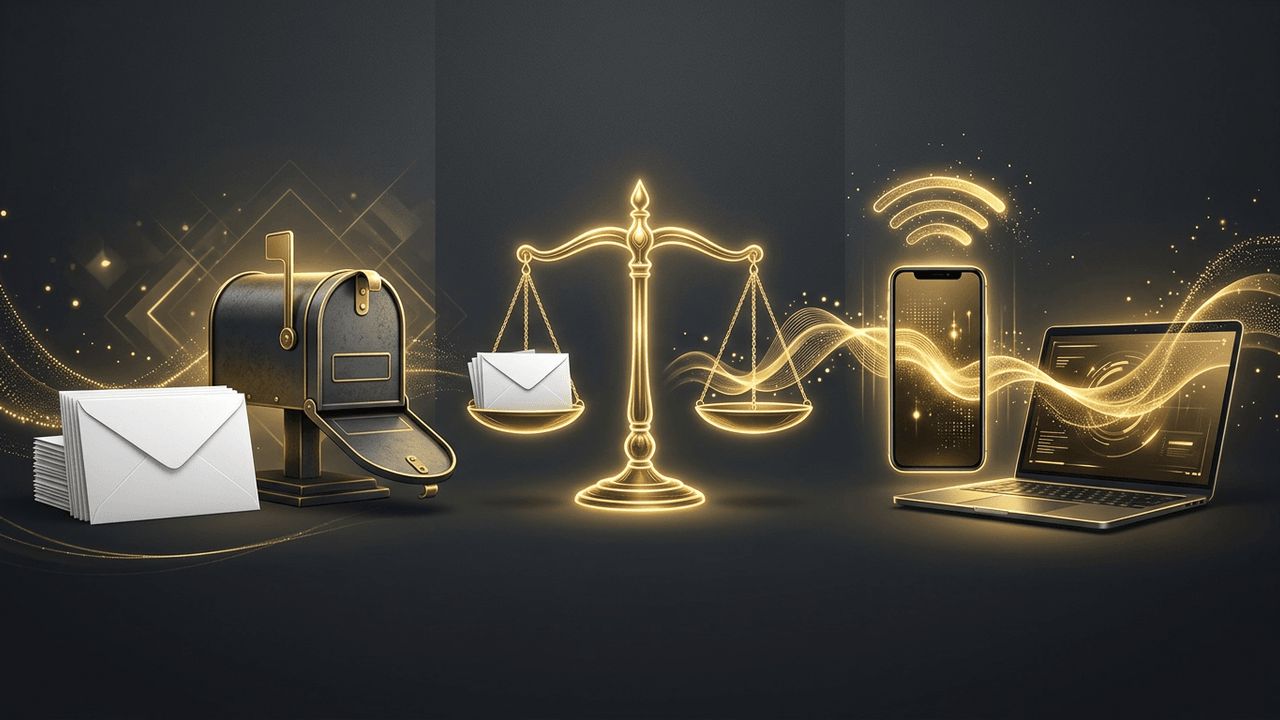
Marketers today have more channels than ever, yet one question keeps coming up in budget meetings: should we invest in direct mail or focus on digital marketing? Direct mail is one of the oldest forms of targeted promotion, while digital marketing has transformed how businesses reach customers in real time. Each approach has distinct strengths, costs and limitations. Understanding how direct mail campaigns compare to digital marketing helps you allocate budget wisely, choose the right channel for each goal and, in many cases, combine both for even stronger results. This article breaks down the key differences across cost, targeting, engagement, measurement and return on investment.
How AAMAX.CO Helps Businesses Choose and Optimize Channels
Deciding between offline and online tactics is easier with expert guidance. AAMAX.CO is a full service digital marketing company providing web development, digital marketing and SEO services worldwide. They help businesses evaluate their audience, set measurable goals and build digital campaigns that can work alone or alongside traditional efforts such as direct mail. From landing pages that capture mail recipients to search and social campaigns that extend reach, AAMAX.CO gives their clients the data and strategy needed to invest where returns are strongest.
What Is Direct Mail Marketing?
Direct mail involves sending physical promotional materials such as postcards, letters, catalogs or brochures to a targeted list of recipients. It has long been used by retailers, nonprofits, real estate agents, healthcare providers and local service businesses. Its tangible nature makes it memorable, and well-designed pieces can sit on a kitchen counter for days, offering repeated exposure.
What Is Digital Marketing?
Digital marketing includes any promotion delivered through online channels: search engines, social media, email, display advertising, video and websites. It allows businesses to reach audiences instantly, personalize messages at scale and track performance down to individual clicks and conversions.
Cost Comparison
Direct mail usually carries higher per-contact costs because of design, printing, list purchasing and postage. A single postcard campaign can cost anywhere from under a dollar to several dollars per piece depending on size, quantity and finish. Digital marketing typically offers a lower entry cost and more flexible budgets. Campaigns can start small, pause anytime and scale gradually. However, competitive industries may face high cost-per-click rates online, so digital is not automatically cheaper in every scenario.
Targeting Capabilities
Direct mail can be targeted by geography, demographics, purchase history and household data, which makes it effective for hyper-local campaigns. Digital marketing goes further, targeting by interests, online behavior, search intent, device, time of day and lookalike audiences built from existing customers. Digital channels also allow real-time adjustment of targeting as data accumulates, something that is impossible once mail pieces have been printed and sent.
Engagement and Attention
Physical mail benefits from a less crowded environment. Many people receive far fewer letters than emails, so a well-crafted piece can stand out. Research has consistently shown that tangible materials can create strong recall and emotional connection. Digital marketing, on the other hand, faces intense competition for attention but offers interactivity. Videos, quizzes, clickable offers and social engagement invite immediate action in ways mail cannot.
Speed and Flexibility
Direct mail campaigns require lead time for design, printing and delivery, often several weeks. Once sent, changes are impossible. Digital campaigns can launch within hours, and messaging, budgets and audiences can be optimized daily. This agility makes digital ideal for time-sensitive promotions, testing new offers and responding to market changes.
Measurement and Tracking
Measuring direct mail requires deliberate tracking methods such as unique promo codes, dedicated phone numbers, QR codes or personalized URLs. Even with these tools, some responses go untracked. Digital marketing provides granular analytics, including impressions, clicks, time on site, conversions and revenue attribution. This visibility makes it far easier to calculate return on investment and identify which messages drive results.
Return on Investment
Both channels can deliver strong ROI when executed well. Direct mail often generates high response rates for specific audiences, such as older demographics, local service customers and high-value prospects. Digital marketing tends to deliver efficient ROI at scale because of lower costs and precise optimization. The right choice depends on your audience, offer and sales cycle.
The Power of Combining Both
Many of the most successful campaigns integrate direct mail and digital marketing. Examples include:
- Sending postcards with QR codes leading to personalized landing pages.
- Retargeting mail recipients online with matching display or social ads.
- Following up digital leads with a premium mailed brochure or gift.
- Using email to announce that a special catalog is on its way.
This multichannel approach reinforces messages across touchpoints, increasing recall and conversions. Supporting integrated efforts with social media marketing ensures your offline audience also sees consistent messaging in their feeds.
Which Should You Choose?
Choose direct mail when you need to reach a specific local or demographic audience that responds well to physical materials, when your offer has high value, or when you want to stand out from crowded inboxes. Choose digital marketing when you need speed, scalability, detailed analytics and the ability to test and optimize continuously. For most businesses, a balanced mix guided by data delivers the best outcomes.
Conclusion
Direct mail and digital marketing each bring unique advantages. Direct mail offers tangibility and attention, while digital provides precision, flexibility and measurability. Rather than viewing them as rivals, smart marketers treat them as complementary tools. By understanding your audience and tracking results carefully, you can build a strategy that uses each channel where it performs best and drives sustainable growth.
Want to publish a guest post on aamconsultants.org?
Place an order for a guest post or link insertion today.