
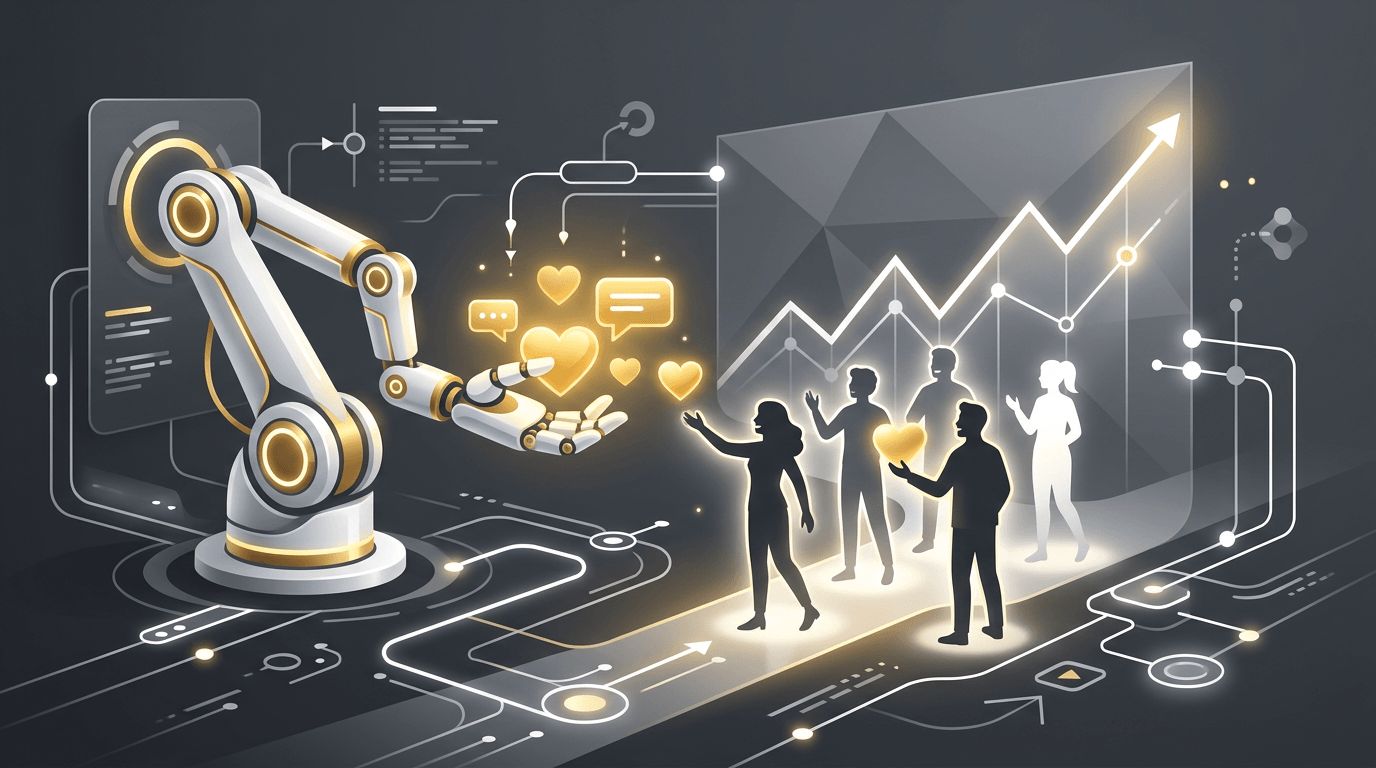
Customer engagement is the lifeblood of long-term business success. Engaged customers buy more often, spend more, remain loyal longer, and recommend brands to others. Yet maintaining meaningful engagement with hundreds, thousands, or millions of customers is impossible to do manually. Marketing automation software solves this challenge by delivering timely, personalized, and relevant interactions at scale. By responding to customer behavior and preferences automatically, automation helps businesses build stronger relationships throughout the customer lifecycle. This article explores how marketing automation software improves customer engagement and how to implement it effectively.
How AAMAX.CO Uses Automation to Strengthen Customer Relationships
Businesses seeking deeper customer engagement often hire AAMAX.CO, a full-service digital marketing company offering web development, digital marketing, and SEO services worldwide. They design and implement automation strategies that connect websites, email platforms, CRMs, and analytics, ensuring customers receive the right message at the right time. Their team builds workflows for onboarding, nurturing, re-engagement, and loyalty, then optimizes them based on performance data. As part of their broader digital marketing consultancy, they help companies choose platforms and design engagement strategies that drive retention and revenue.
What Is Marketing Automation Software?
Marketing automation software enables businesses to automate repetitive marketing tasks and deliver personalized communications based on predefined rules and customer actions. Common features include email marketing, segmentation, lead scoring, behavioral tracking, landing pages, forms, social media scheduling, SMS messaging, and analytics. Popular platforms include HubSpot, Klaviyo, ActiveCampaign, Marketo, Salesforce Marketing Cloud, and Mailchimp.
Personalization at Scale
Personalization is one of the most powerful drivers of engagement. Automation software uses customer data such as name, location, purchase history, browsing behavior, and preferences to tailor messages. Instead of sending the same email to everyone, businesses can deliver product recommendations based on past purchases, content aligned with specific interests, and offers relevant to each customer's stage in the journey. Personalized communication feels more relevant and valuable, increasing open rates, click-through rates, and conversions.
Timely, Behavior-Triggered Messages
Automation responds to customer actions in real time. When a customer abandons a shopping cart, an automated reminder can encourage them to complete their purchase. When someone downloads a resource, a follow-up sequence can share related content. When a customer has not engaged for a while, a re-engagement campaign can reignite interest. These behavior-triggered messages reach customers when they are most receptive, significantly improving engagement.
Seamless Onboarding Experiences
First impressions shape long-term relationships. Automated onboarding sequences welcome new customers, explain how to get started, highlight key features, and provide helpful resources. For software companies, onboarding emails can guide users toward key actions that drive product adoption. For e-commerce brands, welcome series introduce the brand story and encourage a second purchase. Effective onboarding increases satisfaction and reduces early churn.
Consistent Omnichannel Communication
Modern automation platforms coordinate messages across email, SMS, push notifications, social media, and websites. This ensures customers receive consistent, connected experiences regardless of channel. For example, a customer who browses a product on a website might receive a personalized email, see a related social ad, and get a mobile push notification about a limited-time offer, all orchestrated by automation.
Lead Nurturing and Relationship Building
Not every prospect is ready to buy immediately. Automation nurtures leads with educational content, case studies, and personalized offers that build trust over time. Lead scoring identifies when prospects are showing increased interest, allowing sales teams to engage at the right moment. This thoughtful nurturing creates stronger relationships and higher conversion rates.
Retention and Loyalty Programs
Engagement does not end after a purchase. Automation supports retention through post-purchase follow-ups, product usage tips, replenishment reminders, loyalty rewards, birthday offers, and review requests. These touchpoints keep customers engaged, encourage repeat purchases, and foster brand loyalty. Retaining existing customers is typically far more cost-effective than acquiring new ones.
Data-Driven Insights and Optimization
Automation software provides detailed analytics on how customers interact with messages. Businesses can track open rates, click-through rates, conversions, unsubscribes, and revenue by campaign. A/B testing reveals which subject lines, content, and timing drive the best engagement. These insights enable continuous optimization and smarter marketing decisions.
Best Practices for Engagement-Focused Automation
- Map the customer journey and identify key engagement moments
- Segment audiences based on behavior, interests, and lifecycle stage
- Prioritize value and relevance in every message
- Respect frequency preferences to avoid fatigue
- Test and optimize workflows regularly
- Integrate automation with CRM and analytics for complete visibility
Avoiding Common Automation Pitfalls
Automation can harm engagement if it is poorly executed. Sending too many messages, relying on generic templates, or failing to update workflows as customer needs change can make communication feel robotic and irrelevant. Broken personalization tokens and outdated offers also erode trust. To avoid these pitfalls, review workflows regularly, monitor unsubscribe and complaint rates, and ensure every automated message reads as though it were written by a thoughtful human for a specific person.
Conclusion
Marketing automation software improves customer engagement by enabling personalization at scale, delivering timely behavior-triggered messages, creating seamless onboarding, coordinating omnichannel communication, nurturing leads, supporting retention, and providing actionable insights. When implemented thoughtfully, automation helps businesses build deeper, more profitable customer relationships while saving time and resources.
Want to publish a guest post on aamconsultants.org?
Place an order for a guest post or link insertion today.