
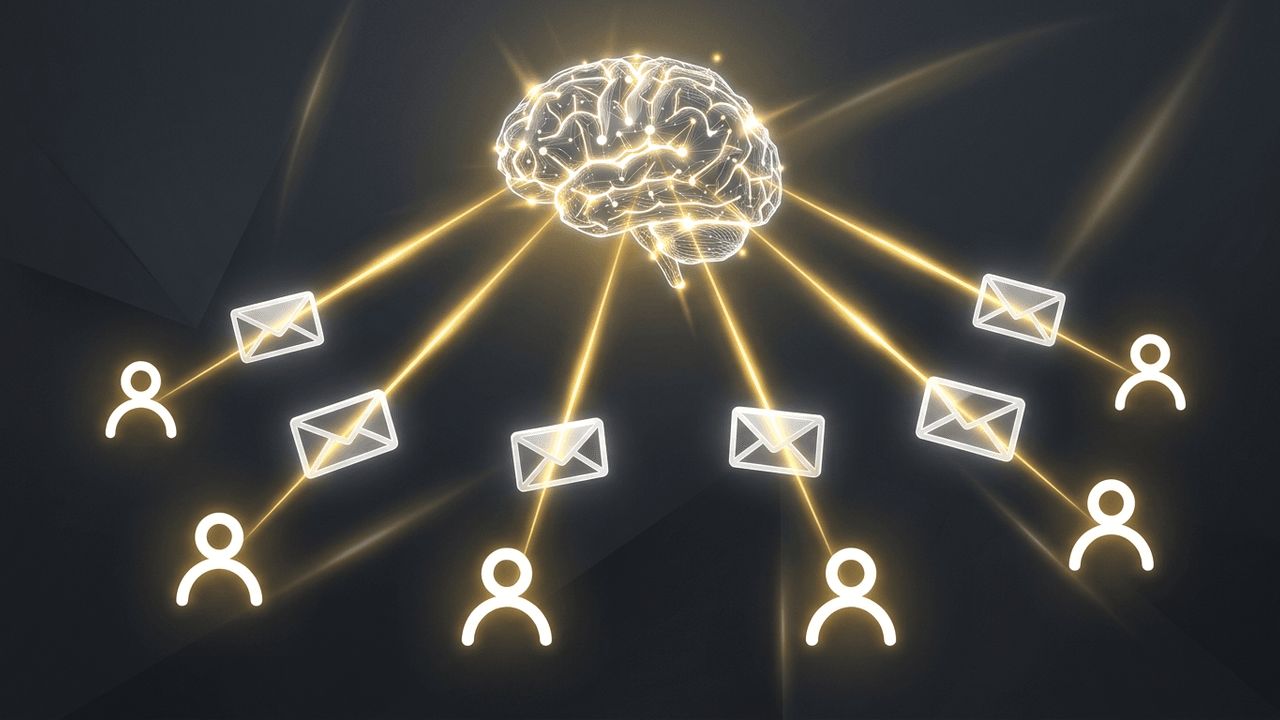
Subscribers in 2026 expect brands to understand them. Generic, one-size-fits-all emails are increasingly ignored, filtered or unsubscribed from, while personalized messages earn higher engagement, stronger loyalty and more revenue. Advances in AI, real-time data and privacy-first marketing have changed what effective personalization looks like. This guide explains how to personalize email marketing campaigns using the best practices that matter most in 2026.
How AAMAX.CO Delivers Personalized Email Experiences
Effective personalization depends on clean data, smart segmentation and thoughtful creative. AAMAX.CO is a full-service digital marketing company offering web development, digital marketing and SEO services worldwide. Their team connects websites, stores and CRMs to email platforms, builds dynamic content and designs automated journeys that adapt to each subscriber's behavior. Their digital marketing expertise helps brands deliver personalization at scale while respecting privacy and building trust.
Why Personalization Matters More Than Ever
Inboxes are crowded, and mailbox providers increasingly prioritize messages that recipients engage with. Personalization improves relevance, which drives opens, clicks and conversions. It also strengthens deliverability because engaged subscribers signal to providers that your emails are wanted. In 2026, personalization is no longer a competitive advantage; it is a baseline expectation.
Best Practice 1: Build a Strong First-Party Data Foundation
With third-party cookies largely phased out and privacy regulations tightening, first-party and zero-party data are essential. First-party data includes purchase history, website behavior and email engagement. Zero-party data is information subscribers voluntarily share, such as preferences, goals and interests. Collect it through preference centers, quizzes, surveys and progressive profiling forms.
Best Practice 2: Segment Beyond Demographics
Demographics alone rarely predict behavior. Combine multiple data points to create meaningful segments:
- Behavioral: Pages viewed, products browsed, emails clicked.
- Transactional: Purchase frequency, average order value, product categories.
- Lifecycle: New subscriber, first-time buyer, loyal customer, at-risk.
- Engagement: Highly active, occasionally active, inactive.
- Preference-based: Topics, formats and frequency chosen by subscribers.
Best Practice 3: Use AI for Predictive Personalization
AI-powered email platforms can predict customer lifetime value, likelihood to churn, next purchase date and preferred send times. Use these predictions to tailor offers, adjust frequency and prioritize high-value subscribers. AI can also generate subject line variations and product recommendations, but always review outputs to ensure they match your brand voice.
Best Practice 4: Leverage Dynamic Content
Dynamic content blocks allow one email to display different images, products, offers or copy depending on who receives it. For example, a fashion retailer can show menswear to one segment and womenswear to another, or a travel brand can highlight destinations near each subscriber's location. This approach scales personalization without creating dozens of separate campaigns.
Best Practice 5: Trigger Emails Based on Real-Time Behavior
Behavioral triggers deliver messages at the moment of highest intent. Key triggers include cart abandonment, browse abandonment, price drops, back-in-stock alerts, milestone anniversaries and post-purchase follow-ups. Real-time triggers feel helpful rather than promotional because they respond directly to the subscriber's actions.
Best Practice 6: Personalize Send Time and Frequency
Not every subscriber checks email at the same time. Send-time optimization tools analyze past engagement to deliver messages when each person is most likely to open. Similarly, allow subscribers to choose how often they hear from you, and reduce frequency for less engaged contacts to prevent fatigue.
Best Practice 7: Make Subject Lines and Preview Text Relevant
Personalized subject lines that reference a subscriber's interests, recent activity or location typically outperform generic ones. Avoid overusing first names, which can feel formulaic. Instead, focus on contextual relevance, such as "Your favorite running shoes are back in stock."
Best Practice 8: Respect Privacy and Build Trust
Personalization should feel helpful, not intrusive. Be transparent about the data you collect and how you use it. Comply with GDPR, CCPA and other privacy regulations, offer clear preference controls and avoid referencing sensitive information. Trust is the foundation of long-term personalization success.
Best Practice 9: Personalize Across Channels
Subscribers interact with brands across email, websites, social media and ads. Use consistent data to personalize experiences everywhere. For example, align email offers with on-site recommendations and retargeting campaigns, or coordinate messages with social media marketing efforts for a seamless journey.
Best Practice 10: Test and Measure Personalization Impact
Not every personalization tactic delivers equal results. A/B test personalized versus generic versions, compare dynamic content variations and track metrics such as click-through rate, conversion rate and revenue per recipient. Use findings to refine your strategy and invest in the tactics that perform best.
Common Personalization Mistakes to Avoid
- Relying on outdated or inaccurate data.
- Using broken merge tags that display placeholder text.
- Over-personalizing in ways that feel invasive.
- Ignoring mobile rendering for dynamic content.
- Failing to update segments as customer behavior changes.
Conclusion
Learning how to personalize email marketing campaigns in 2026 means combining first-party data, intelligent segmentation, AI-driven predictions and real-time triggers while maintaining transparency and trust. Start with a strong data foundation, personalize content and timing, and test continuously. Brands that master personalization will build deeper relationships and outperform competitors still relying on generic messaging.
Want to publish a guest post on aamconsultants.org?
Place an order for a guest post or link insertion today.