
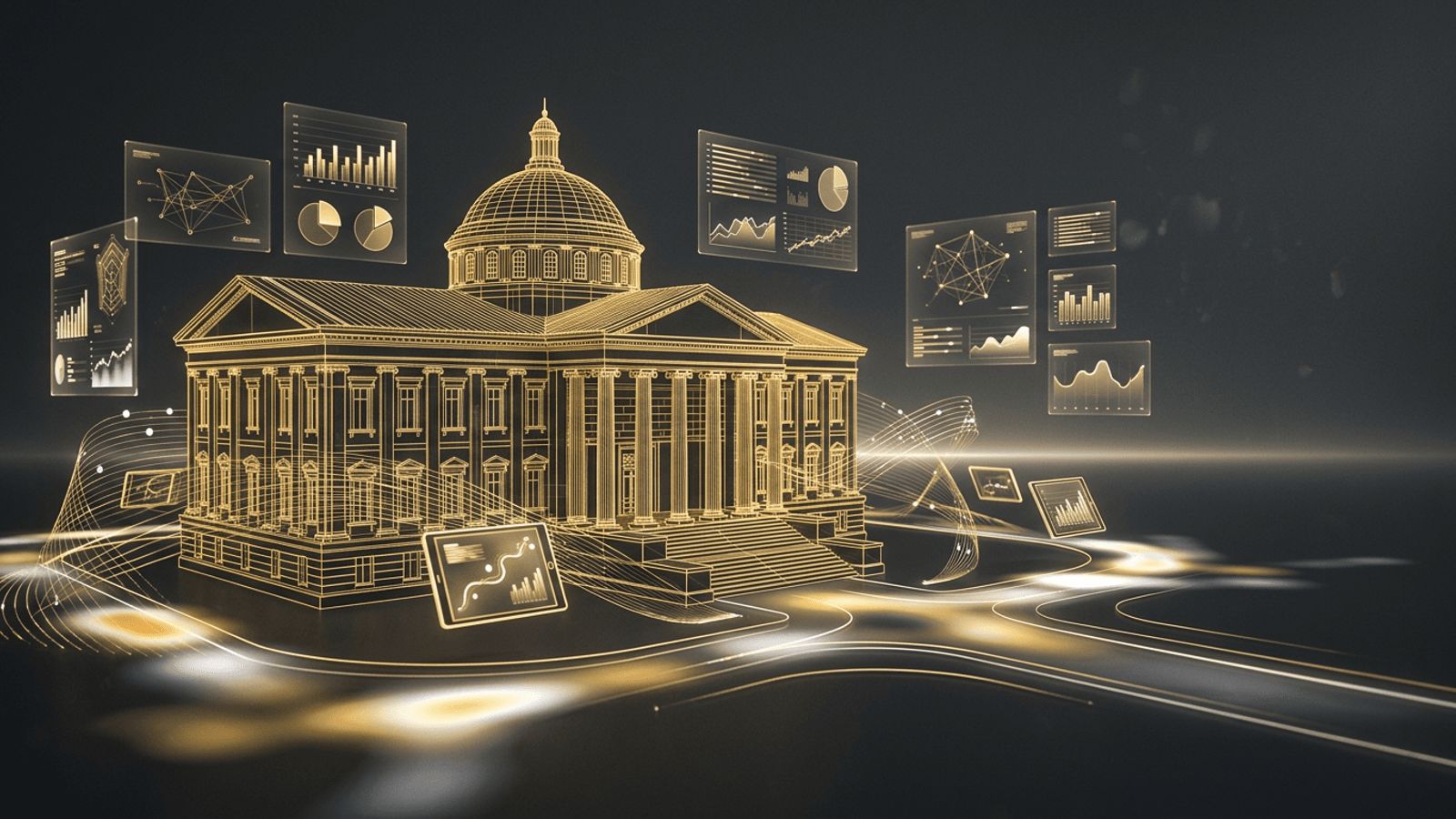
Museums are more than collections of art, artifacts, and history. They are experiences competing for people's time and attention alongside streaming services, theme parks, sporting events, and countless other leisure options. To attract and retain visitors, secure funding, and stay relevant, museums need to understand their audiences deeply. That is where market research comes in. From visitor surveys to footfall analytics and social listening, the right tools can transform how a museum plans exhibitions, markets programs, and engages its community. This article explores the most helpful tools for museum market research.
How AAMAX.CO Helps Museums and Cultural Institutions Reach More Visitors
Research reveals who visitors are and what they want, but reaching them requires a strong digital presence. AAMAX.CO is a full-service digital marketing company providing web development, digital marketing, and SEO services worldwide. They help cultural institutions build engaging websites, promote exhibitions, and attract new audiences online. Their social media marketing services are especially valuable for museums looking to showcase collections, promote events, and build vibrant online communities.
Why Museums Need Market Research
Museum market research helps institutions answer critical questions: Who visits, and who does not? What motivates people to come? What do visitors enjoy most, and what frustrates them? Which marketing channels work best? How can the museum attract younger, more diverse, or more local audiences? Answers to these questions inform exhibition planning, pricing, programming, membership strategies, and fundraising efforts.
1. Visitor Surveys
Surveys remain one of the most valuable tools for museum research. They capture visitor demographics, motivations, satisfaction, and suggestions.
Helpful Tools
- Online survey platforms such as SurveyMonkey, Typeform, and Google Forms for post-visit questionnaires.
- Tablet kiosks placed near exits to collect quick feedback.
- QR codes on tickets, signage, and exhibit labels that link to short surveys.
Short, focused surveys sent shortly after a visit tend to produce the highest response rates and most accurate recollections.
2. Ticketing and CRM Systems
Ticketing and customer relationship management systems are rich sources of data. They reveal visit frequency, peak times, membership trends, ticket types, and geographic origins of visitors. Many museum-specific platforms integrate ticketing, membership, donations, and email marketing, giving a unified view of each visitor's relationship with the institution. Analyzing this data helps identify loyal visitors, potential donors, and lapsed members.
3. Footfall and Visitor Flow Analytics
Understanding how people move through a museum provides insight into which exhibits attract attention and where visitors lose interest.
Helpful Tools
- People counters at entrances and gallery doorways.
- Wi-Fi and Bluetooth analytics that track anonymous movement patterns.
- Heat mapping sensors that show dwell times in different areas.
These insights help curators improve layouts, reduce bottlenecks, and design exhibitions that keep visitors engaged.
4. Website and Digital Analytics
A museum's website is often the first point of contact for potential visitors. Web analytics tools show how people find the site, which pages they view, and whether they buy tickets or plan visits. Tracking search queries, referral sources, and conversion paths reveals which exhibitions generate interest and which marketing campaigns drive results. Keyword research tools also show what people search for in relation to museums, exhibitions, and cultural activities in a region.
5. Social Media Listening
Social platforms are where visitors share photos, reviews, and opinions. Social listening tools monitor mentions of the museum, its exhibitions, and related topics, revealing sentiment and trending conversations. Native analytics on major platforms show which content performs best, the demographics of followers, and the times audiences are most active. This information guides content strategy and helps museums connect with new audiences.
6. Online Reviews and Ratings
Travel and review platforms contain honest visitor feedback. Regularly analyzing reviews uncovers recurring praise and complaints about exhibitions, staff, facilities, cafes, accessibility, and pricing. Responding thoughtfully to reviews also demonstrates that the museum values visitor experiences.
7. Focus Groups and Interviews
Qualitative research tools such as focus groups and in-depth interviews help museums explore deeper motivations and perceptions. They are particularly useful for understanding non-visitors, testing new exhibition concepts, and evaluating educational programs. Video conferencing platforms make it easier to conduct sessions with participants from wider geographic areas.
8. Observation and Ethnographic Methods
Trained researchers can observe visitor behavior, noting how people interact with exhibits, read labels, use interactive displays, and engage with companions. Timing and tracking studies record how long visitors spend at each exhibit, offering practical insights for exhibit design.
9. Demographic and Community Data
Public census data, tourism statistics, and regional economic reports help museums understand their surrounding communities and identify underrepresented groups. Comparing visitor data with local demographics highlights gaps and opportunities to broaden audience diversity.
10. Benchmarking and Industry Reports
Professional museum associations and cultural research organizations publish studies on visitor trends, attendance benchmarks, and audience behaviors. These reports help museums compare their performance with peers and stay informed about sector-wide changes.
Turning Research Into Action
Collecting data is only valuable if it drives improvements. Museums should create regular reporting routines, share findings across departments, and set clear goals based on insights. Research might lead to extended opening hours, new family programs, improved signage, targeted digital campaigns, or exhibitions that appeal to younger audiences.
Conclusion
Museum market research tools, ranging from surveys and ticketing data to footfall analytics, social listening, and community statistics, provide the insights institutions need to thrive. By understanding who their visitors are and what they value, museums can create memorable experiences, attract broader audiences, and secure their role as vital cultural destinations for years to come.
Want to publish a guest post on aamconsultants.org?
Place an order for a guest post or link insertion today.