Understanding Web to Print Online Designers
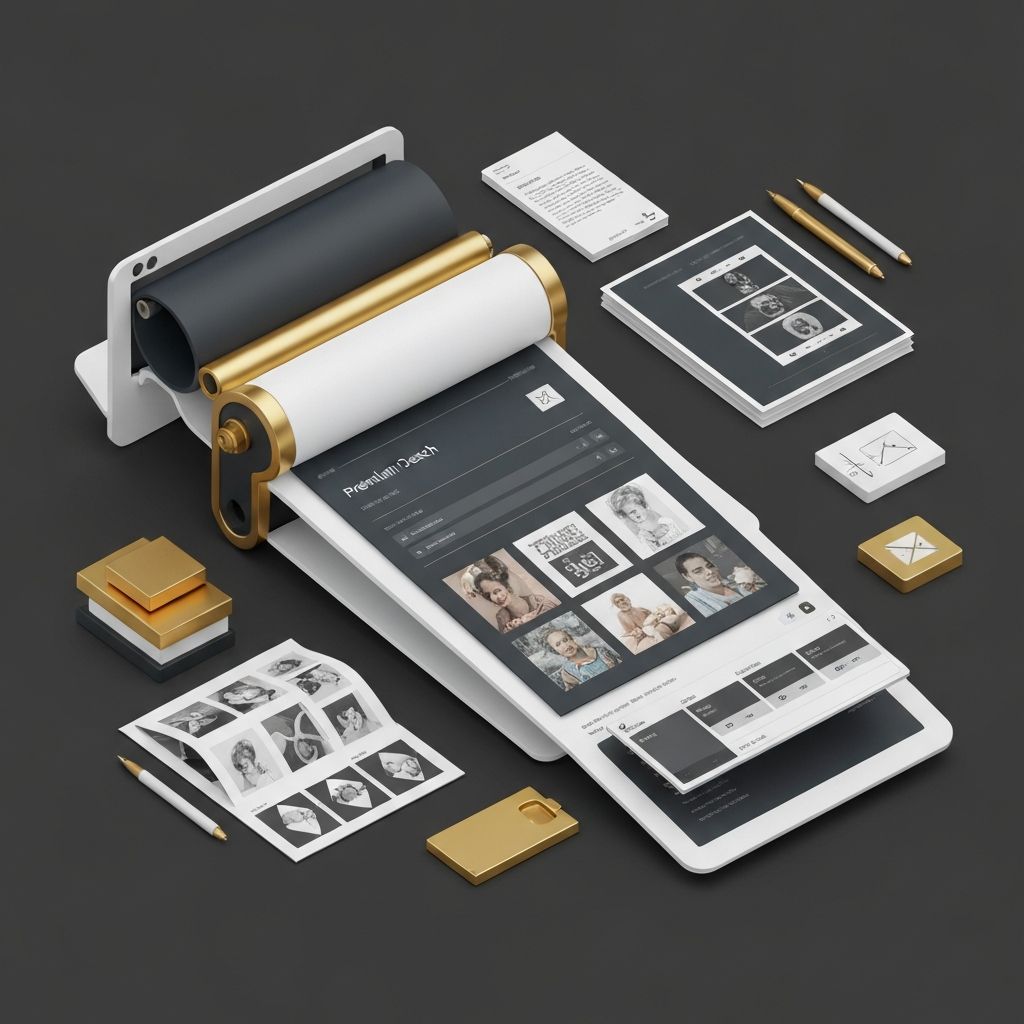
A web to print online designer is a browser-based tool that allows customers to customize printed products—business cards, t-shirts, mugs, posters, packaging, and more—directly on a website before placing an order. The customer sees a real-time preview of their design, makes adjustments, and submits a print-ready file to the merchant for production. This technology has transformed the print industry by automating what used to be a manual, time-consuming process for both customers and printers.
For print businesses, a web to print solution opens new revenue streams, reduces design errors, and dramatically improves the customer experience. For customers, it offers convenience, instant gratification, and the freedom to create exactly what they want without back-and-forth emails with a designer.
Hire AAMAX.CO to Build Your Web to Print Solution
Building a robust web to print platform requires expertise across design, development, and integration with print workflows. AAMAX.CO is a full-service digital marketing company that offers web development, digital marketing, and SEO services worldwide, with a track record of building custom e-commerce and customization platforms. Their team helps print businesses launch web to print tools that are fast, intuitive, and tightly integrated with backend production systems, giving customers a seamless experience from design to delivery.
How a Web to Print Online Designer Works
At its core, a web to print designer is a graphical editor running in the browser, typically built with HTML5 Canvas, SVG, or WebGL. Users select a product (such as a business card), choose a template, and then customize text, colors, images, fonts, and layout. The tool generates a high-resolution, print-ready PDF or image file when the customer is ready to order.
Behind the scenes, the system enforces design constraints to ensure the output is printable. Bleed areas, safe zones, minimum image resolution, and color profiles (CMYK vs RGB) are managed automatically so customers do not need to understand the technicalities of print production. The result is a file that goes straight to the press without manual cleanup.
Key Features of a Great Web to Print Designer
Template Library: Pre-designed templates give customers a starting point and reduce decision fatigue. Templates can be organized by industry, occasion, or style.
Custom Uploads: Customers should be able to upload their own logos, images, and artwork. The system should automatically check resolution and format before allowing the design to proceed.
Text Editing: A robust text editor with multiple fonts, colors, alignment options, and effects (drop shadow, outline, curve) gives customers creative freedom.
Real-Time Preview: A WYSIWYG preview that updates instantly as changes are made is essential. 3D previews for products like mugs or t-shirts add an extra wow factor.
Save and Resume: Customers should be able to save designs, share them with colleagues, and resume work later. This is especially important for B2B clients ordering complex packaging.
Technology Stack Considerations
Modern web to print platforms are built with JavaScript frameworks like React, Vue, or Next.js for the front-end editor. Canvas libraries such as Fabric.js, Konva, or Pixi.js provide the rendering and manipulation capabilities. The back-end typically uses Node.js, PHP, or Python to handle file processing, order management, and integration with print MIS (management information systems).
For high-volume operations, server-side PDF generation using tools like Ghostscript, ImageMagick, or commercial APIs is often necessary. Choosing the right stack depends on traffic volume, product complexity, and integration requirements. Sophisticated web application development expertise is critical to get this right from day one.
Benefits for Print Businesses
A web to print solution reduces operational costs by eliminating manual design work, proofing emails, and file conversion. It opens 24/7 ordering, allowing customers to place orders outside business hours. It also enables upselling through smart recommendations and bundles inside the editor.
Customer satisfaction increases because customers feel in control. They can see exactly what they will receive before paying, reducing complaints, returns, and reprints. Conversion rates also rise because the buying journey is faster and more engaging than traditional quote-and-email workflows.
Benefits for Customers
For customers, the value is convenience and creativity. They can experiment with designs at their own pace, try different layouts, and order with confidence. The instant preview eliminates the anxiety of wondering what the printed result will look like, and the ability to save designs makes reordering trivial.
For businesses ordering branded materials, web to print platforms often include team accounts, brand controls, and approval workflows that keep marketing materials consistent across departments and locations.
Designing the User Experience
The success of a web to print tool depends heavily on its user experience. The interface must be welcoming for first-time users yet powerful enough for repeat customers. Investing in clean, intuitive website design for the editor itself is just as important as the underlying technology.
Mobile responsiveness is another critical consideration. Many customers start designs on a phone and finish on a desktop, so the tool must work smoothly across screen sizes. Touch gestures, easy text editing on small screens, and quick saving are essential for mobile users.
Integration With Business Systems
A web to print designer is most powerful when integrated with the rest of your business. Website development teams can connect the editor to inventory management, payment gateways, shipping calculators, customer accounts, CRM systems, and production workflows. Automated job tickets, pre-press checks, and order tracking turn the tool into the centerpiece of a fully digital print operation.
Conclusion
A web to print online designer is more than a fancy editor—it is a strategic platform that can transform a traditional print business into a modern, customer-centric digital operation. Done well, it delights customers, reduces costs, and unlocks new growth. If you are considering adding one to your business, invest in proper planning, the right technology, and an experienced development partner to bring your vision to life.
Want to publish a guest post on aamconsultants.org?
Place an order for a guest post or link insertion today.