
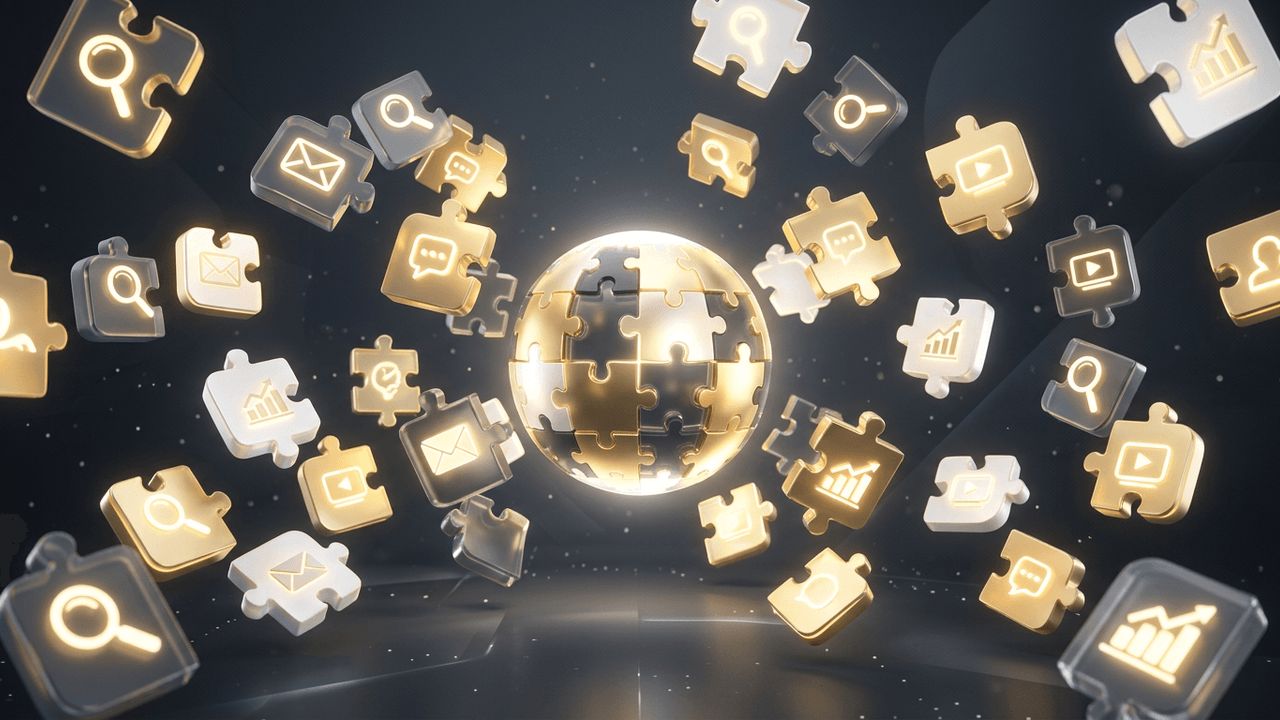
Digital marketing is often described as a single activity, but in reality it is a collection of strategies, channels, and skills working together. If you have ever wondered what digital marketing consists of, the short answer is this: it includes every method a business uses to reach, engage, and convert customers through digital channels. That covers search engines, websites, social platforms, email, mobile apps, online advertising, and increasingly, AI-powered search tools. Understanding each component helps businesses build balanced strategies instead of relying on a single tactic.
How AAMAX.CO Brings Every Component Together
Managing every piece of digital marketing in-house can be overwhelming. AAMAX.CO is a full-service digital marketing company offering web development, digital marketing, and SEO services worldwide. They help businesses combine the right mix of channels into one cohesive strategy, from building conversion-focused websites to running search, social, and content campaigns. Because they manage the components together rather than in isolation, their clients benefit from consistent messaging, shared data, and stronger overall performance.
1. Website and User Experience
A website is the central hub of digital marketing. Nearly every campaign, whether a social post, email, or ad, ultimately drives people to a website or landing page. A strong site must be fast, mobile-friendly, secure, easy to navigate, and designed to convert visitors into leads or customers. Web development and user experience design are therefore core components of digital marketing, not separate projects.
2. Search Engine Optimization (SEO)
SEO is the practice of improving a website's visibility in organic search results. It consists of keyword research, on-page optimization, technical improvements, content creation, and link building. Because search engines are where many customer journeys begin, search engine optimization delivers sustainable, compounding traffic that continues long after the initial work is done.
3. Pay-Per-Click Advertising (PPC)
PPC advertising places paid ads on search engines, social platforms, and partner websites, with advertisers paying when users click. Platforms like Google Ads allow businesses to target specific keywords, locations, devices, and audiences. PPC delivers immediate visibility and is excellent for testing messages, launching new products, and capturing high-intent buyers.
4. Social Media Marketing
Social media marketing involves building a presence on platforms such as Facebook, Instagram, LinkedIn, TikTok, YouTube, and X. It consists of organic content creation, community management, paid social advertising, and influencer collaboration. Social channels build brand awareness, foster relationships, and drive traffic and sales.
5. Content Marketing
Content marketing focuses on creating valuable, relevant content that attracts and retains an audience. Blog posts, videos, podcasts, infographics, e-books, case studies, and webinars all fall under this category. Good content educates prospects, builds trust, supports SEO, and fuels social and email channels.
6. Email Marketing
Email marketing remains one of the most cost-effective digital channels. It consists of building subscriber lists, segmenting audiences, crafting personalized messages, and automating sequences such as welcome emails, product recommendations, and abandoned cart reminders. Email nurtures leads and encourages repeat purchases.
7. Marketing Automation and CRM
Automation platforms and customer relationship management systems tie digital marketing together. They track interactions, score leads, trigger personalized messages, and connect marketing activity to sales outcomes. This infrastructure allows businesses to scale personalized marketing efficiently.
8. Affiliate and Influencer Marketing
Affiliate marketing rewards partners for driving sales, while influencer marketing leverages trusted creators to reach engaged audiences. Both extend a brand's reach through third-party credibility and are particularly effective in e-commerce, lifestyle, and technology niches.
9. Mobile Marketing
With most internet usage happening on smartphones, mobile marketing includes SMS campaigns, push notifications, in-app advertising, and mobile-optimized experiences. Mobile channels enable timely, location-aware communication.
10. Online Reputation Management
Reviews, ratings, and online mentions heavily influence purchase decisions. Reputation management consists of monitoring reviews, responding professionally, encouraging satisfied customers to share feedback, and addressing negative sentiment quickly.
11. Generative Engine Optimization
A newer component, generative engine optimization (GEO), focuses on helping brands appear in AI-generated answers from tools like ChatGPT, Google AI Overviews, and Perplexity. It involves creating authoritative, well-structured content and building consistent brand signals across the web.
12. Analytics and Data
Analytics underpins every other component. Tools like Google Analytics, ad platform dashboards, and attribution software measure traffic, engagement, conversions, and return on investment. Data reveals what works, what does not, and where to invest next. Without measurement, digital marketing becomes guesswork.
How the Components Work Together
The real power of digital marketing comes from integration. Content supports SEO and fills social calendars. Paid ads drive traffic to optimized landing pages. Email nurtures leads captured through campaigns. Analytics informs improvements across every channel. A business that combines these components strategically creates a self-reinforcing system where each channel amplifies the others.
Choosing the Right Mix
Not every business needs every component at once. A local service business may prioritize local SEO, reviews, and search ads. An e-commerce brand may focus on paid social, email, and influencers. A B2B company may emphasize content, LinkedIn, and marketing automation. The right mix depends on goals, audience behavior, budget, and competitive landscape.
Conclusion
Digital marketing consists of a broad set of components, including websites, SEO, PPC, social media, content, email, automation, partnerships, mobile, reputation management, AI search optimization, and analytics. Each serves a unique purpose, but together they form a powerful growth engine. By understanding these components and combining them strategically, businesses can attract the right audiences, build lasting relationships, and drive measurable results online.
Want to publish a guest post on aamconsultants.org?
Place an order for a guest post or link insertion today.