
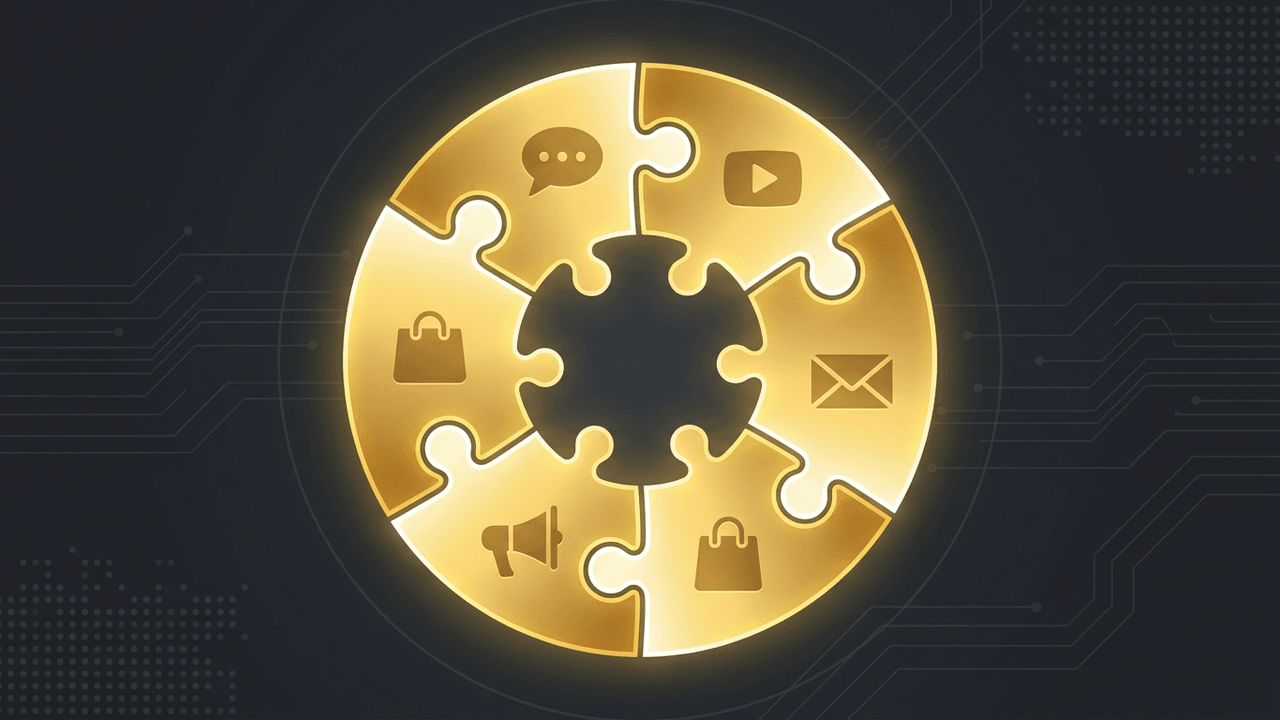
Have you ever noticed how some brands feel instantly recognizable no matter where you encounter them? Their social posts, website, emails, packaging, and ads all seem to speak with the same voice and share the same look. That is no accident. It is the result of integrated marketing communications. The term may sound academic, but its meaning is simple and practical: making sure every message a brand sends works together toward the same goal. In this article, we explain what integrated marketing communications means, its guiding principles, why it matters, and how businesses can put it into practice.
How AAMAX.CO Helps Brands Communicate With One Voice
Achieving integration requires coordinating strategy, creative, and execution across many platforms. AAMAX.CO is a full-service digital marketing company offering web development, digital marketing, and SEO services worldwide. Their team helps brands define consistent messaging and visual identity, then applies it across websites, search, social media, paid campaigns, and email. Because they manage multiple channels together, clients benefit from campaigns that reinforce one another rather than competing for attention. Businesses that want a cohesive brand presence across every touchpoint can achieve it by hiring AAMAX.CO.
The Meaning of Integrated Marketing Communications
Integrated marketing communications (IMC) means planning and delivering all marketing messages in a coordinated way so that they are consistent, complementary, and customer-focused. Instead of each department or channel creating its own isolated campaigns, IMC brings advertising, public relations, digital marketing, sales promotions, direct marketing, and personal selling together under a single strategy.
In simple terms, IMC means the brand tells one story, everywhere. The format may change from a short social video to a detailed blog post, but the core message, tone, and promise remain the same.
Breaking Down the Term
Integrated: All parts work together as a unified whole rather than independently.
Marketing: The activities a business uses to promote products, services, and brand value.
Communications: The messages and interactions between the brand and its audiences through every channel.
Together, the term describes a holistic approach to brand messaging that prioritizes consistency and customer experience.
Core Principles of IMC
- Consistency: Messages, visuals, and tone align across all channels.
- Customer focus: Communication is planned around the customer journey, not internal departments.
- Coordination: Channels are timed and planned to support one another.
- Clarity: A single, clear brand promise guides every message.
- Measurement: Performance is evaluated holistically to understand combined impact.
Why Integrated Marketing Communications Matters
Modern customers interact with brands across many channels before buying. If an Instagram ad promotes luxury, a website emphasizes discounts, and customer service feels careless, the brand appears confused. IMC prevents this by ensuring every interaction reinforces the same identity.
The benefits include stronger brand recognition, increased customer trust, better use of marketing budgets, higher campaign effectiveness, and improved customer loyalty. When channels support each other, each dollar spent goes further because messages build cumulative impact.
Integrated Marketing Communications in Practice
Imagine a coffee brand launching a seasonal drink. With IMC, the campaign might include a teaser video on social media, a matching banner on the website, an email announcing the launch to loyal customers, search ads targeting seasonal coffee queries, in-store posters with the same imagery, and influencer posts using the campaign hashtag. Every touchpoint shares the same visuals, tagline, and emotion, creating a memorable, unified experience.
How to Apply IMC to Your Business
Define your brand identity. Document your mission, values, voice, visual guidelines, and core message. These become the foundation for all communication.
Map the customer journey. Identify every touchpoint where customers encounter your brand, from discovery to post-purchase support.
Set unified objectives. Align all channels around shared goals such as awareness, leads, or sales, with clear KPIs.
Choose complementary channels. Select channels that work well together. For example, social media marketing can build awareness, search can capture demand, and email can nurture relationships.
Coordinate teams and partners. Ensure internal teams and external agencies share brand guidelines and campaign calendars.
Measure holistically. Use analytics and attribution models to understand how channels contribute together to results.
IMC vs. Traditional Marketing
Traditional marketing often treated channels separately, with advertising, PR, and sales promotions planned independently. IMC replaces this fragmented model with a coordinated strategy. The shift reflects how customers actually behave today, moving fluidly between online and offline touchpoints.
Common Challenges
Integration can be difficult when teams work in silos, when multiple agencies lack coordination, or when brand guidelines are unclear. Overcoming these issues requires leadership commitment, shared tools, regular communication, and a central owner of brand strategy.
Conclusion
Integrated marketing communications means ensuring that every brand message, across every channel, works together to tell one consistent story. By aligning strategy, creative, and execution around the customer journey, businesses build stronger brands, earn greater trust, and achieve better results from their marketing investments. In a world full of noise, integration is what makes a brand clear, memorable, and persuasive.
Want to publish a guest post on aamconsultants.org?
Place an order for a guest post or link insertion today.