
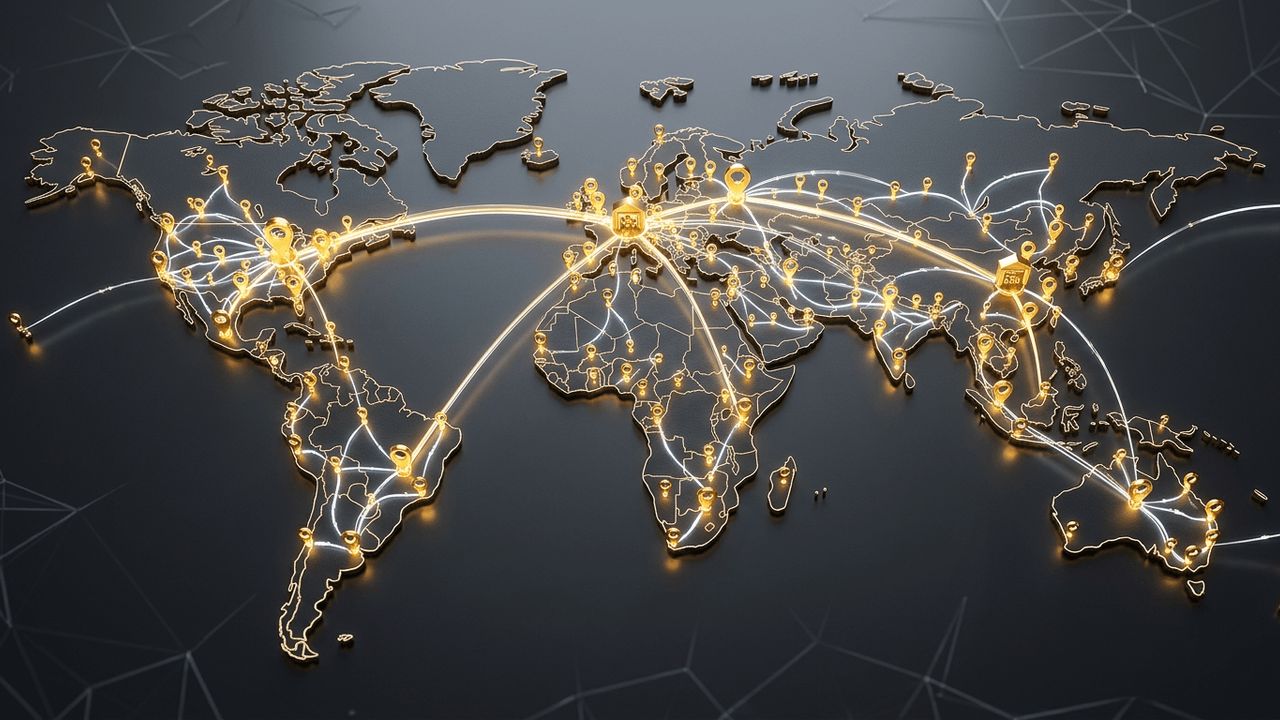
When people think about marketing, they usually picture advertising and promotions. Yet one of the most important decisions a business makes has nothing to do with flashy ads. It is the question of where and how customers can actually get the product. In the marketing mix, this is known as Place. A great product at the right price with excellent promotion will still fail if customers cannot easily find and buy it. This article explains what place refers to in the marketing mix, the key strategies involved, and how the concept has evolved in the digital age.
How AAMAX.CO Helps Brands Strengthen Their Place Strategy
In today's market, place is as much about digital visibility as physical distribution. AAMAX.CO is a full-service digital marketing company providing Web Development, Digital Marketing, and SEO Services worldwide. They help businesses build fast, user-friendly e-commerce websites, improve visibility in search results, and create seamless online buying experiences. By ensuring brands appear where customers are searching and that the path to purchase is smooth, they help companies turn their digital presence into a powerful distribution channel.
Defining Place in the Marketing Mix
Place, also called distribution, refers to all the activities that make a product available to target customers. It answers questions such as: Where will customers look for this product? Which retailers, platforms, or channels should carry it? How will it be stored, transported, and delivered? How much coverage does the market require? Place encompasses channels, logistics, inventory management, market coverage, and the overall customer access experience.
Why Place Matters
Place directly affects convenience, which is one of the strongest drivers of purchasing decisions. If a competitor's product is easier to access, many customers will choose it even if yours is slightly better. Place also influences brand perception. A product sold in premium boutiques is perceived differently than one sold in discount stores. Finally, distribution decisions affect costs and margins, since every intermediary in the supply chain takes a share of the revenue.
Types of Distribution Channels
Businesses typically choose among several channel structures:
- Direct distribution: The company sells directly to customers through its own stores, website, sales team, or app. This offers greater control over pricing, customer experience, and data.
- Indirect distribution: The company uses intermediaries such as wholesalers, distributors, retailers, or agents to reach customers. This can expand reach quickly but reduces control.
- Hybrid distribution: Many modern brands combine direct and indirect channels, selling through their own website while also partnering with retailers and online marketplaces.
Distribution Intensity Strategies
Another key place decision is how widely to distribute a product.
- Intensive distribution: Placing products in as many outlets as possible. This suits everyday items like snacks, beverages, and toiletries where convenience is critical.
- Selective distribution: Using a limited number of carefully chosen outlets. This works well for products such as electronics or appliances where some expertise or service is needed.
- Exclusive distribution: Restricting distribution to a very small number of outlets, often for luxury goods, to maintain prestige and control.
The Digital Transformation of Place
The internet has dramatically expanded what place means. Today, a small business can reach customers globally through an online store. Marketplaces, social commerce, and mobile apps create new points of purchase. Even search results and AI assistants act as digital storefronts because they determine whether customers discover a brand at all. Strong search engine optimization ensures a business appears when customers search for relevant products or services, effectively placing the brand directly in the customer's path.
Omnichannel Distribution
Modern customers move fluidly between online and offline experiences. They might discover a product on social media, research it on a website, compare prices on a marketplace, and finally purchase in a physical store. Omnichannel distribution ensures a consistent, connected experience across all these touchpoints. Options like buy online and pick up in store, unified inventory systems, and consistent pricing help businesses meet customers wherever they prefer to shop.
Logistics and Fulfillment
Place also includes the behind-the-scenes operations that get products into customers' hands. Warehousing, inventory management, order processing, shipping speed, and return policies all affect the customer experience. Fast, reliable delivery and hassle-free returns have become baseline expectations, especially in e-commerce. Businesses that excel at fulfillment gain a meaningful competitive advantage.
Place for Service Businesses
For service providers, place refers to how and where the service is delivered. A consultant might work in person, over video calls, or through an online platform. A healthcare provider might offer clinic visits and telehealth appointments. Service businesses should consider location, accessibility, operating hours, booking systems, and digital delivery options when shaping their place strategy.
How to Choose the Right Place Strategy
Choosing the right place strategy starts with understanding your customers. Where do they currently shop? How do they prefer to research and buy? What level of service do they expect? Next, consider your product type, brand positioning, budget, and competitive landscape. Test different channels, measure performance, and refine your approach. Promoting availability through channels like social media marketing can also drive customers to the places where your product is sold.
Conclusion
Place in the marketing mix refers to how and where customers access a product or service. It includes channel selection, distribution intensity, logistics, and increasingly, digital visibility. Getting place right means making it as easy as possible for the right customers to find, buy, and receive what you offer. As customer behaviors continue to shift toward digital and omnichannel experiences, businesses that thoughtfully manage their place strategy will be best positioned to win.
Want to publish a guest post on aamconsultants.org?
Place an order for a guest post or link insertion today.