
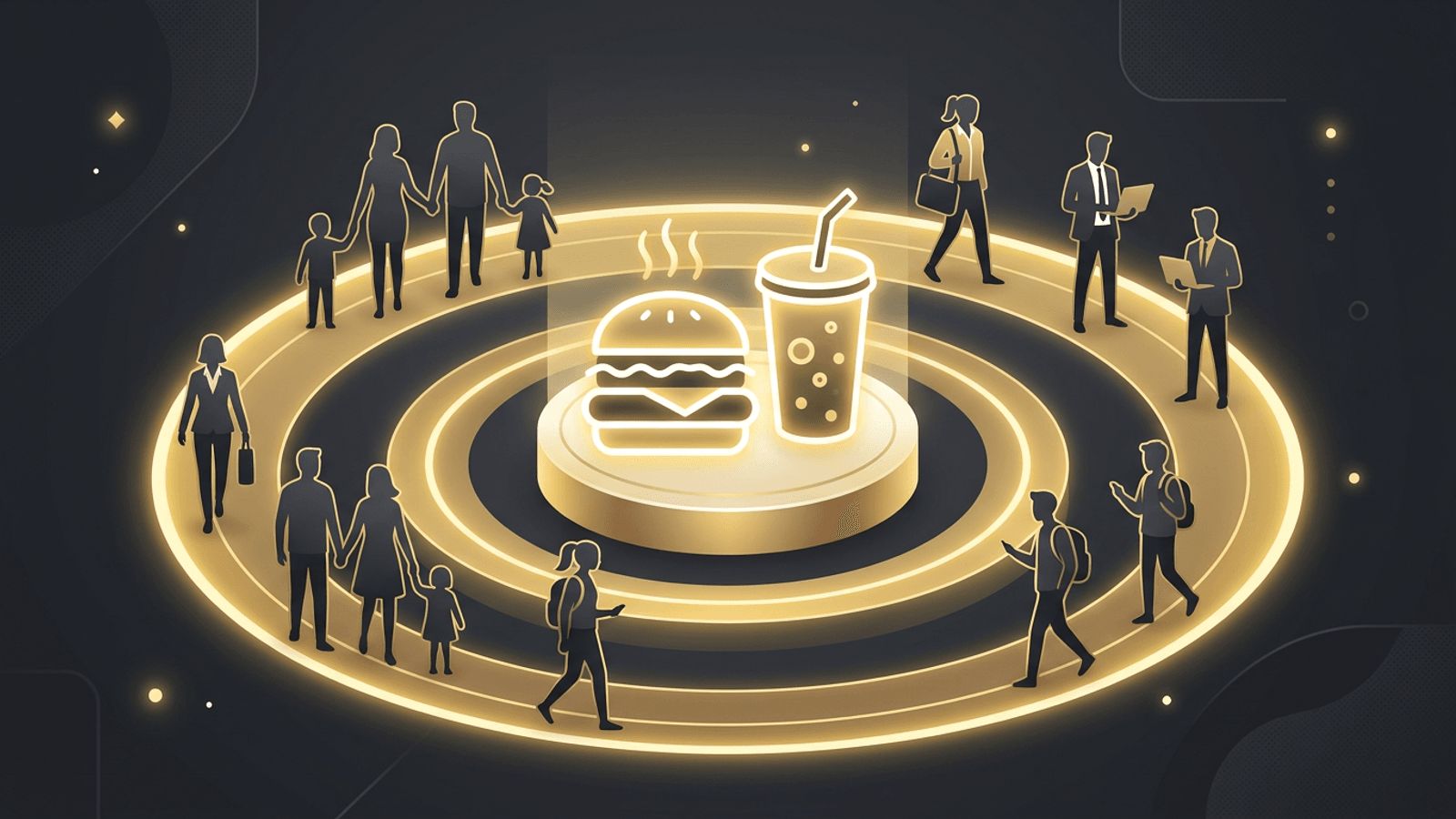
Chick-fil-A has become one of the most successful quick-service restaurant chains in the United States, known for its chicken sandwiches, waffle fries, and famously friendly service. Despite being closed on Sundays, the brand consistently ranks among the top fast-food chains in sales per restaurant and customer satisfaction. A major reason for this success is its clear understanding of its target market. By knowing exactly who its customers are and what they value, Chick-fil-A has built a loyal following that competitors struggle to match. This article examines Chick-fil-A's target market and what other businesses can learn from its approach.
Learning From Brand Success With AAMAX.CO
Brands like Chick-fil-A show how powerful a clear target market can be. AAMAX.CO is a full-service digital marketing company that offers web development, digital marketing, and SEO services worldwide. They help restaurants, retailers, and service businesses define their ideal customers and connect with them through strategic campaigns. Their social media marketing services help businesses build the kind of community engagement and brand loyalty that leading chains are known for.
An Overview of Chick-fil-A's Target Market
Chick-fil-A appeals to a broad audience, but its marketing and operations are especially aligned with several core segments: families with children, young adults and students, busy working professionals, and value-driven consumers who prioritize quality and service. Its brand image emphasizes hospitality, wholesome values, and consistency, which resonates strongly with these groups.
Demographic Segmentation
Families With Children
Families are one of Chick-fil-A's most important customer groups. The restaurant offers kids' meals, play areas in many locations, family nights, and a clean, safe environment. Parents appreciate the perceived healthier menu options compared with some competitors, such as grilled chicken, fruit cups, and salads. The brand's family-friendly reputation makes it a go-to choice for parents looking for convenient meals.
Young Adults and Students
Chick-fil-A is extremely popular among teenagers, college students, and young adults. Many locations operate on or near college campuses, and the brand has a strong presence on social media, where younger audiences share menu favorites and experiences. Its mobile app, rewards program, and limited-time menu items keep younger customers engaged.
Middle-Income Consumers
The brand targets middle-income households who want quality food at reasonable prices. While Chick-fil-A is often slightly more expensive than some fast-food competitors, customers view it as offering better value thanks to quality ingredients and service.
Geographic Segmentation
Chick-fil-A began in the southeastern United States, and the South remains its stronghold. Over time, it has expanded aggressively into suburban and urban markets across the country. Suburban areas with many families are particularly important, as are high-traffic urban locations and college towns. The brand carefully selects locations with strong drive-thru potential, reflecting customer demand for convenience.
Psychographic Segmentation
Chick-fil-A's customers often share certain values and lifestyle preferences:
- Value for hospitality: Customers appreciate polite service and phrases like "my pleasure" that create a welcoming experience.
- Family and community orientation: The brand's community involvement and family focus attract customers who value these qualities.
- Quality-conscious eating: Customers seek food perceived as fresher and higher quality than typical fast food.
- Busy lifestyles: Many customers want fast, reliable meals that fit into hectic schedules.
Behavioral Segmentation
Loyal Repeat Customers
Chick-fil-A enjoys exceptional customer loyalty. Its rewards program encourages repeat visits by offering points, free items, and personalized offers. Many customers visit regularly, often multiple times per week.
Convenience Seekers
The brand's efficient drive-thru operations, mobile ordering, curbside pickup, and delivery options appeal to customers who prioritize speed. Its drive-thru lines are famously long but move quickly thanks to innovative processes like taking orders on tablets.
Benefit Seekers
Customers choose Chick-fil-A for specific benefits: consistent taste, cleanliness, friendly service, and menu items they cannot find elsewhere, such as the original chicken sandwich and signature sauces.
How Chick-fil-A Reaches Its Target Market
Chick-fil-A uses a mix of strategies to connect with its customers:
- Memorable branding: Its long-running cow advertising campaign is humorous and family-friendly.
- Digital engagement: The mobile app and rewards program provide personalized offers and convenient ordering.
- Community involvement: Local owner-operators sponsor events, schools, and charitable programs.
- Exceptional service: Consistent hospitality turns customers into brand advocates.
- Social media presence: Engaging content keeps the brand top of mind for younger audiences.
Lessons for Other Businesses
Chick-fil-A's success offers valuable lessons. First, know your audience deeply and build experiences around their needs. Second, consistency in quality and service builds trust and loyalty. Third, invest in convenience, since modern customers value their time. Fourth, use loyalty programs and digital tools to encourage repeat business. Finally, build a brand identity rooted in values that resonate with your target customers.
Conclusion
Chick-fil-A's target market includes families, young adults, busy professionals, and quality-conscious consumers who value hospitality and convenience. By combining demographic, geographic, psychographic, and behavioral insights, the brand has created a customer experience that inspires remarkable loyalty. Businesses of all sizes can learn from its approach by understanding their customers clearly and consistently delivering what those customers value most.
Want to publish a guest post on aamconsultants.org?
Place an order for a guest post or link insertion today.