
Digital marketing has transformed the way businesses connect with customers. Instead of relying solely on billboards, print ads, and television commercials, companies now reach people through search engines, social media, email, websites, and mobile apps. But what exactly is digital marketing, and how does it actually work? At its core, digital marketing uses online channels to attract potential customers, engage them with relevant content, and guide them toward taking action, such as making a purchase or contacting a business. This guide explains the fundamentals of digital marketing and walks through how it works in practice.
How AAMAX.CO Makes Digital Marketing Work for Businesses
Understanding how digital marketing works is valuable, but executing it effectively requires expertise across multiple disciplines. AAMAX.CO is a full-service digital marketing company that offers web development, digital marketing, and SEO services worldwide. They help businesses put every piece of the digital marketing process in place, from building high-converting websites to attracting traffic through search and social channels and tracking performance with clear analytics. Their comprehensive approach ensures each part of the system works together to deliver measurable growth.
Defining Digital Marketing
Digital marketing refers to all marketing efforts that use electronic devices and the internet. It includes search engine optimization, pay-per-click advertising, social media marketing, content marketing, email marketing, mobile marketing, and more. Unlike traditional marketing, digital marketing allows businesses to target specific audiences, interact with them in real time, and measure results precisely.
How Digital Marketing Works: The Big Picture
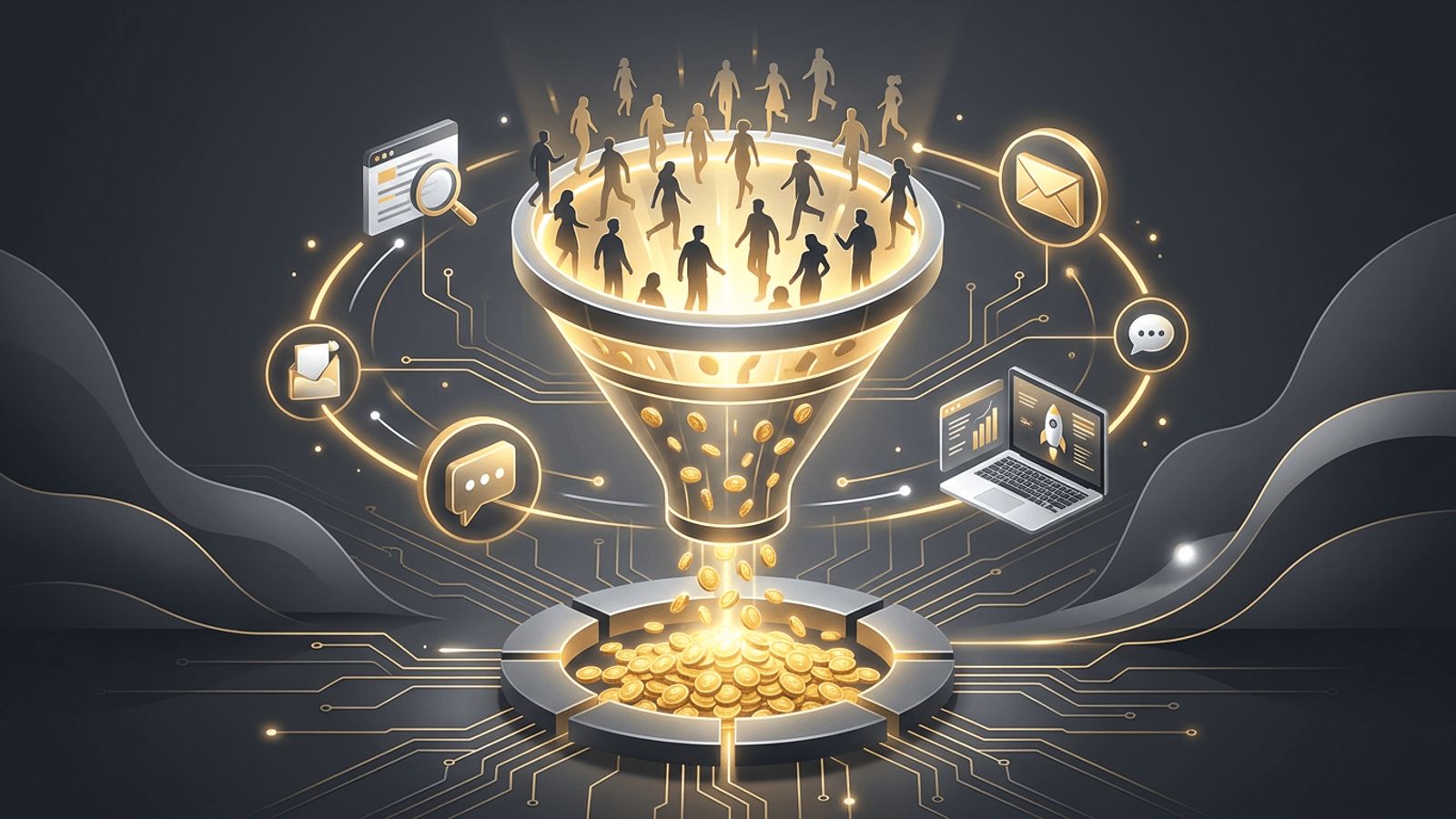
Digital marketing works by guiding potential customers through a journey, often visualized as a funnel. At the top, businesses attract attention and build awareness. In the middle, they engage prospects with valuable information and build trust. At the bottom, they encourage conversions such as purchases, sign-ups, or inquiries. After conversion, they nurture relationships to encourage loyalty and repeat business. Each digital channel plays a role in moving people through these stages.
Step 1: Attracting Visitors
The first step is getting the attention of potential customers. Search engine optimization helps your website appear when people search for relevant topics. Investing in SEO services builds sustainable organic visibility. Paid advertising, such as search ads and social media ads, delivers immediate traffic. Social media content increases awareness and reach. Content marketing attracts visitors with helpful articles and videos.
Step 2: Engaging Prospects
Once visitors arrive, the next step is engaging them. A well-designed website with clear messaging, useful content, and intuitive navigation keeps visitors interested. Blog posts, guides, videos, and case studies educate prospects and build trust. Social media interactions, such as comments and messages, create personal connections. The goal is to demonstrate value and position your business as the best solution.
Step 3: Converting Leads and Customers
Conversion happens when a visitor takes a desired action. This might be purchasing a product, filling out a contact form, booking a consultation, or subscribing to a newsletter. Clear calls to action, persuasive landing pages, simple forms, and trust signals like reviews help increase conversion rates. Conversion rate optimization involves testing and refining these elements to maximize results.
Step 4: Nurturing and Retaining Customers
Digital marketing does not stop after the first sale. Email marketing keeps customers informed about new products, offers, and helpful content. Marketing automation delivers personalized messages based on behavior. Social media keeps customers engaged with your brand. Loyalty programs and excellent customer experiences encourage repeat purchases and referrals.
The Main Digital Marketing Channels
Each channel contributes uniquely to the process. SEO drives long-term organic traffic. Paid search, such as Google Ads, captures high-intent searches instantly. Social media marketing builds community and awareness. Content marketing educates and attracts. Email marketing nurtures relationships. Mobile marketing reaches customers on smartphones. Affiliate and influencer marketing extend reach through partners. Successful strategies typically combine several channels.
The Role of Data and Analytics
Data is what makes digital marketing so powerful. Analytics tools track how people find your website, what they do once they arrive, and which actions lead to conversions. Marketers use this data to understand which channels and campaigns perform best, identify areas for improvement, and allocate budgets more effectively. Continuous measurement and optimization drive better results over time.
Targeting and Personalization
Digital marketing allows precise targeting based on demographics, interests, behaviors, locations, and more. Businesses can show different messages to different audiences, retarget visitors who did not convert, and personalize emails based on past interactions. This relevance improves engagement and makes marketing budgets more efficient.
Digital Marketing in the Era of AI
Artificial intelligence is reshaping how digital marketing works. AI tools help create content, optimize ad bidding, personalize experiences, and analyze data. AI-powered search and chat assistants are also changing how people discover brands, making generative engine optimization an increasingly important part of modern strategies.
Benefits of Digital Marketing
Digital marketing offers global reach, cost-effectiveness, precise targeting, measurable results, and the ability to adjust campaigns quickly. It enables businesses of all sizes to compete, build relationships, and grow revenue efficiently.
Conclusion
Digital marketing is the practice of using online channels to attract, engage, convert, and retain customers. It works by guiding people through a journey supported by SEO, paid ads, social media, content, email, and data-driven optimization. By understanding how each piece fits together, businesses can build digital marketing systems that consistently deliver growth.
Want to publish a guest post on aamconsultants.org?
Place an order for a guest post or link insertion today.