
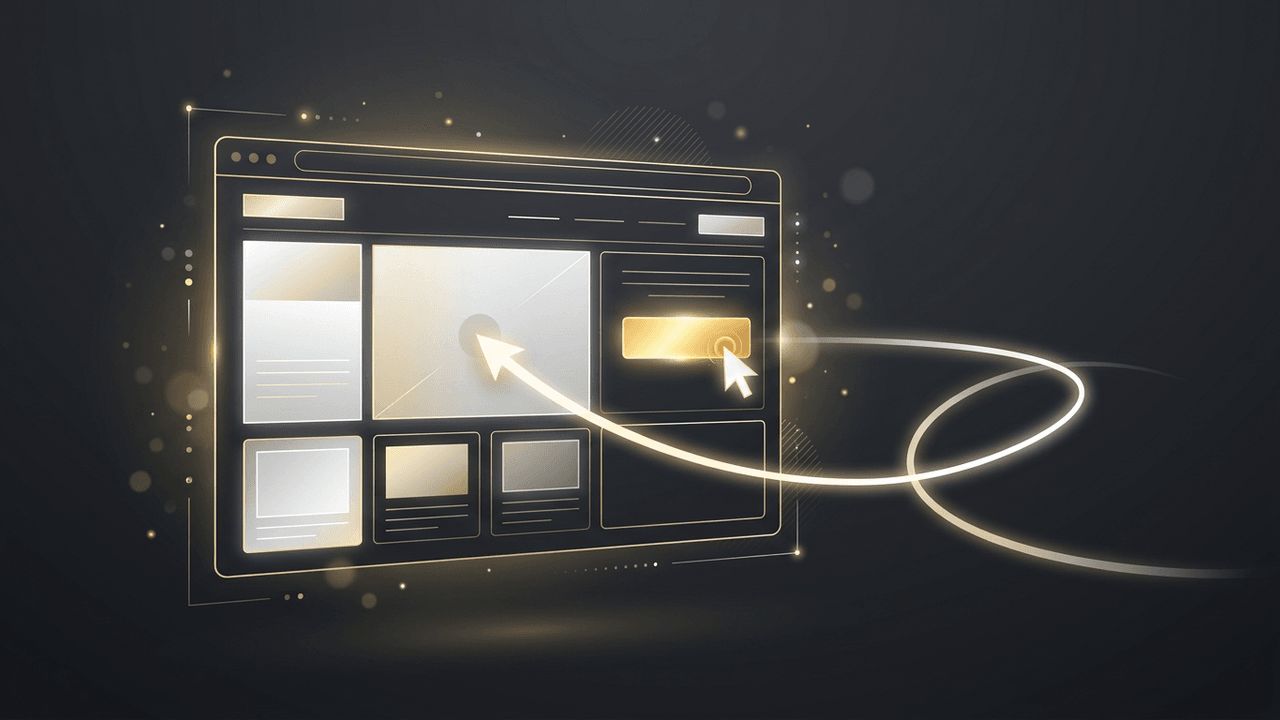
A landing page in digital marketing is a standalone web page created specifically for a marketing or advertising campaign. It is where a visitor lands after clicking a link in an ad, email, social media post, or search result. Unlike a homepage, which serves many purposes and offers multiple navigation paths, a landing page is designed with a single focused goal known as a call to action. That goal might be signing up for a newsletter, downloading an ebook, registering for a webinar, requesting a quote, or making a purchase. Because of this focus, landing pages typically convert visitors at much higher rates than general website pages. This article explains what landing pages are, why they matter, and how to create ones that perform.
How AAMAX.CO Builds High-Converting Landing Pages
A landing page is where marketing investment either pays off or disappears. AAMAX.CO is a full service digital marketing company offering web development, digital marketing, and SEO services worldwide. Their developers and marketers collaborate to design landing pages that load quickly, communicate value clearly, and guide visitors toward action. They connect these pages to paid campaigns, including Google Ads, and continuously test headlines, layouts, and offers to lift conversion rates. Businesses that hire them gain landing pages engineered for results rather than simply attractive designs.
Landing Page vs. Homepage
A homepage is the front door of a website. It introduces the brand, links to multiple sections, and serves a broad audience with varied intentions. A landing page, by contrast, is built for a specific audience arriving from a specific campaign with a specific intention. It usually removes main navigation to minimize distractions and keeps visitors focused on one action. This alignment between the ad or email that brought the visitor and the content on the page is called message match, and it is one of the biggest drivers of conversion.
Types of Landing Pages
- Lead generation pages: collect contact information through a form in exchange for an offer such as a guide, trial, or consultation.
- Click-through pages: warm up visitors with information before sending them to a checkout or signup page.
- Sales pages: long-form pages designed to persuade visitors to purchase a product directly.
- Squeeze pages: short pages focused on capturing an email address.
- Event registration pages: promote webinars, conferences, or product launches.
- Thank-you pages: confirm a conversion and suggest the next step.
Essential Elements of an Effective Landing Page
High-performing landing pages share several common elements. A compelling headline immediately communicates the core benefit and confirms that visitors are in the right place. A supporting subheadline adds clarity or urgency. Persuasive copy explains the value of the offer, focusing on benefits rather than features. Visuals such as product images, explainer videos, or illustrations help visitors understand the offer quickly.
Social proof, including testimonials, reviews, client logos, and case study statistics, builds trust. A clear, prominent call to action tells visitors exactly what to do next, using action-oriented language. Forms should be as short as possible while still collecting necessary information. Finally, trust signals like security badges, privacy statements, and guarantees reduce hesitation.
Why Landing Pages Matter
Landing pages improve the return on every marketing channel. When paid ads send traffic to a generic homepage, visitors often struggle to find what they were promised and leave. A dedicated landing page continues the conversation that the ad started, which increases conversions and lowers cost per acquisition. Landing pages also improve ad platform quality scores, which can reduce advertising costs. In addition, they make measurement easier, since each page can be tied to a specific campaign and its performance tracked accurately.
Landing Page Optimization and A/B Testing
Even well-designed landing pages can be improved. A/B testing compares two versions of a page to see which performs better. Marketers might test different headlines, images, call-to-action text, button colors, form lengths, or page layouts. Over time, small improvements compound into significant gains. Heatmaps and session recordings reveal how visitors interact with the page, highlighting where they hesitate or abandon. Page speed optimization is also crucial, because slow-loading pages lose visitors before they even see the offer.
Mobile Optimization
A large share of visitors arrive on mobile devices, so landing pages must be fully responsive. Text should be readable without zooming, buttons should be easy to tap, and forms should be simple to complete on a small screen. Mobile users are often less patient, so concise copy and fast load times are especially important. Testing the page on a variety of devices ensures a smooth experience for everyone.
Common Landing Page Mistakes
Frequent mistakes include having too many calls to action, which confuses visitors, using vague headlines that fail to communicate value, requesting too much information in forms, and neglecting message match with the source campaign. Another common error is failing to track conversions properly, which makes optimization impossible. Avoiding these pitfalls can dramatically improve results.
Conclusion
A landing page in digital marketing is a focused, purpose-built page that turns campaign traffic into leads and customers. By aligning messaging with the source campaign, highlighting clear benefits, building trust, and guiding visitors toward a single action, landing pages maximize the value of every marketing dollar. With ongoing testing and optimization, they become one of the most powerful conversion tools in any digital strategy.
Want to publish a guest post on aamconsultants.org?
Place an order for a guest post or link insertion today.