
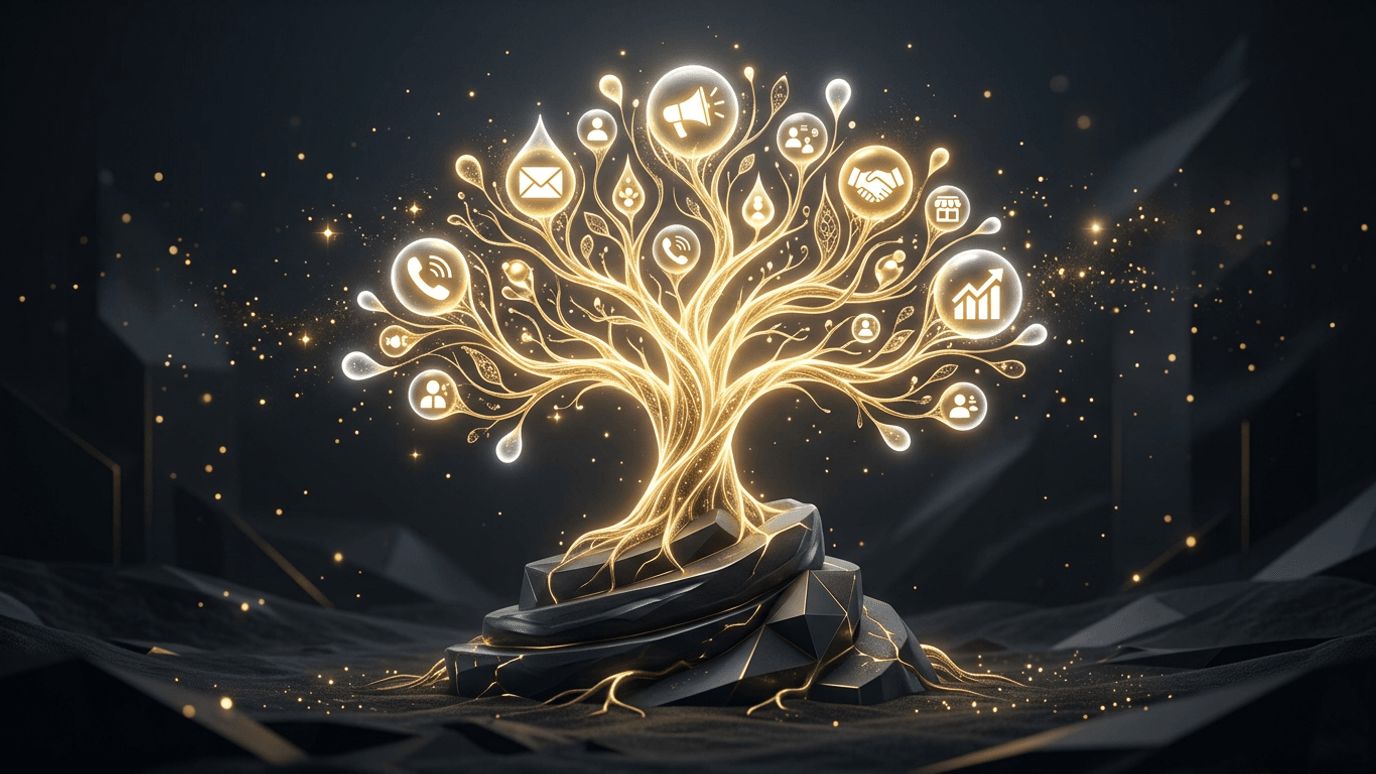
Marketing is often confused with advertising or sales, but it is much broader than either. At its heart, marketing is about understanding what customers need and creating value that meets those needs better than competitors do. It influences product development, pricing, distribution, branding, and every message a company shares with the world. In this article, we define what marketing is, explain its core functions and concepts, and explore the main types of marketing businesses use to reach and retain customers.
AAMAX.CO: Helping Businesses Market Smarter
Understanding marketing fundamentals is the first step; applying them effectively is the next. AAMAX.CO is a full-service digital marketing company that offers web development, digital marketing, and SEO services worldwide. They help businesses translate marketing principles into strategies that attract and convert customers online. With expertise spanning websites, search, social media, and generative engine optimization, they ensure brands stay visible wherever customers search for answers.
What Is Marketing?
The American Marketing Association defines marketing as the activity, set of institutions, and processes for creating, communicating, delivering, and exchanging offerings that have value for customers, clients, partners, and society at large. In simpler terms, marketing is the process of identifying customer needs, developing solutions, and communicating their value in a way that encourages people to buy.
Peter Drucker famously said that the aim of marketing is to know and understand the customer so well that the product or service fits them and sells itself. This perspective highlights that marketing begins long before a campaign launches. It starts with research and insight.
Core Functions of Marketing
Marketing involves several interconnected functions:
- Market research: gathering information about customers, competitors, and trends.
- Segmentation and targeting: dividing the market into groups and choosing which to serve.
- Positioning: defining how the brand should be perceived relative to competitors.
- Product development: creating offerings that meet customer needs.
- Pricing: setting prices that reflect value and support business goals.
- Distribution: making products accessible through the right channels.
- Promotion: communicating value through advertising, content, and other channels.
- Customer relationship management: building loyalty and long-term engagement.
The Marketing Mix
Many of these functions are summarized by the marketing mix, also known as the 4Ps: Product, Price, Place, and Promotion. Service businesses often expand this to the 7Ps by adding People, Process, and Physical Evidence. The marketing mix helps businesses coordinate decisions so every element supports the same value proposition.
Main Types of Marketing
Digital Marketing
Digital marketing uses online channels including websites, search engines, social media, email, and mobile apps. It offers precise targeting and measurable results, making it essential for modern businesses.
Content Marketing
Content marketing attracts audiences by publishing valuable material such as articles, videos, podcasts, and guides. It builds trust and authority over time.
Social Media Marketing
Social media marketing engages audiences on platforms like Instagram, Facebook, LinkedIn, and TikTok through organic content and paid ads.
Search Engine Marketing
Search engine marketing includes SEO for organic visibility and paid search ads for immediate placement in search results.
Email Marketing
Email marketing nurtures relationships through newsletters, promotions, and automated sequences sent to opted-in subscribers.
Traditional Marketing
Traditional marketing relies on offline channels such as television, radio, print, billboards, and direct mail to reach broad audiences.
Influencer Marketing
Influencer marketing partners with trusted creators to introduce brands to engaged communities.
Event and Experiential Marketing
Experiential marketing creates memorable, hands-on brand experiences through events, pop-ups, and interactive activations.
Relationship Marketing
Relationship marketing prioritizes long-term customer loyalty through personalized service, loyalty programs, and community-building.
B2B and B2C Marketing
B2B marketing targets businesses with rational, value-focused messaging, while B2C marketing targets individual consumers and often appeals to emotion and convenience.
Why Marketing Matters
Marketing drives business growth by attracting customers, building brand awareness, and creating loyalty. It provides insights that guide product improvements and helps companies stay competitive as markets change. Effective marketing also creates value for customers by connecting them with solutions that improve their lives.
How to Choose the Right Types of Marketing
The best marketing approach depends on your audience, goals, budget, and industry. Begin with research to understand where your customers spend time and how they make decisions. Choose a few types of marketing that align with those insights, execute them consistently, and measure the results. Over time, refine your mix to focus on the channels and tactics that deliver the strongest return.
Marketing vs Sales vs Advertising
It helps to understand how marketing differs from related terms. Advertising is a single tool within marketing, focused on paid messages that promote a product or brand. Sales is the process of converting interested prospects into paying customers, often through direct conversations. Marketing is the broader strategic discipline that includes research, product decisions, pricing, distribution, branding, advertising, and relationship building. In short, marketing creates the conditions for sales to happen, and advertising is one of the ways marketing communicates. When all three work together, businesses attract the right audience, persuade them effectively, and turn them into loyal customers.
Conclusion
Marketing is the process of understanding customers and delivering value that meets their needs. It encompasses research, product development, pricing, distribution, promotion, and relationship building. With many types of marketing available, from digital and content to traditional and experiential, businesses can create strategies that reach the right people with the right message and drive lasting success.
Want to publish a guest post on aamconsultants.org?
Place an order for a guest post or link insertion today.