
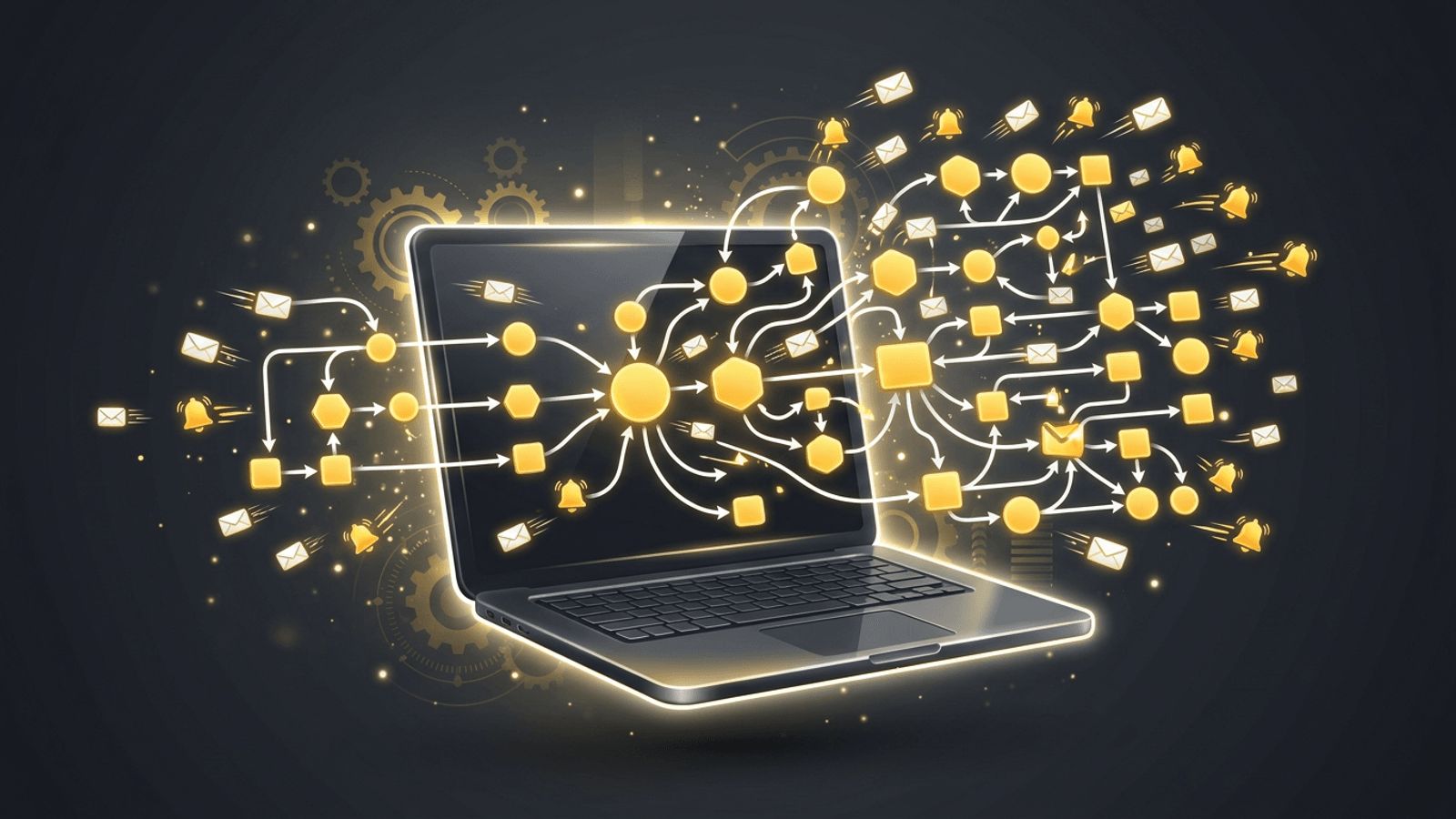
Marketing teams are under constant pressure to do more with less: reach more customers, personalize more messages, and prove more results, often without expanding headcount. Marketing automation software has become one of the most valuable tools for meeting these demands. So, what is marketing automation software? It is technology that automates repetitive marketing tasks and orchestrates personalized customer journeys across channels such as email, SMS, social media, and websites. This guide explains how it works, its key features, benefits, and how to choose the right platform for your business.
How AAMAX.CO Helps Businesses Get More From Marketing Automation Software
Automation software delivers the best results when it is configured strategically and integrated properly. AAMAX.CO is a full-service digital marketing company offering web development, digital marketing, and SEO services worldwide. They help their clients evaluate automation platforms, integrate them with websites and CRMs, build segmented workflows, and create engaging content that powers each touchpoint. Their combination of technical and marketing expertise helps businesses save time, nurture leads effectively, and increase revenue.
Defining Marketing Automation Software
Marketing automation software uses rules, triggers, and data to execute marketing actions automatically. Instead of manually sending each email or updating each contact record, marketers design workflows that respond to customer behavior. For example, when someone downloads a guide, the software can automatically send a thank-you email, add the contact to a nurture sequence, update their lead score, and notify sales once they show strong buying intent.
How Marketing Automation Software Works
The software collects data from multiple sources, including website visits, form submissions, email interactions, purchases, and CRM records. Marketers define triggers, such as signing up for a newsletter or abandoning a cart, and specify actions that follow, such as sending emails, assigning tags, or creating tasks. Conditional logic allows workflows to branch based on behavior, delivering different messages to different people. Over time, the software tracks engagement and conversions, enabling continuous optimization.
Email Marketing Automation
Email is the most common automation channel. Platforms enable welcome series, lead nurturing sequences, onboarding emails, birthday messages, re-engagement campaigns, and post-purchase follow-ups. Dynamic content personalizes messages based on recipient data, while scheduling ensures emails arrive at optimal times. Automated email campaigns consistently generate strong returns because they deliver relevant messages at moments of high interest.
Lead Management and Scoring
Marketing automation software helps manage leads throughout the funnel. Lead scoring assigns points based on demographic fit and behavioral signals, such as visiting pricing pages or attending webinars. When leads reach a certain score, they can be automatically routed to sales teams. Lead nurturing workflows keep prospects engaged with educational content until they are ready to buy, improving conversion rates and sales efficiency.
Segmentation and Personalization
Segmentation divides contacts into groups based on attributes and behaviors, such as industry, location, interests, purchase history, or engagement level. Automation software uses these segments to deliver personalized content that resonates with each audience. Personalization increases engagement, builds stronger relationships, and makes customers feel understood rather than marketed to.
Multichannel Campaign Orchestration
Modern platforms go beyond email, coordinating messages across SMS, push notifications, social media, website personalization, and paid advertising audiences. Automation can sync customer segments with ad platforms, enabling targeted retargeting campaigns. Coordinating channels ensures customers receive consistent messages wherever they interact with your brand. Automation pairs especially well with social media marketing, where engaged followers can be guided into personalized nurture journeys.
Analytics and Reporting
Marketing automation software provides detailed analytics on campaign performance, including open rates, click-through rates, conversion rates, revenue attribution, and workflow efficiency. Reporting helps marketers understand which campaigns drive results, where prospects drop off, and how to improve. Integration with CRM data allows businesses to connect marketing activities directly to closed deals and revenue.
Benefits of Marketing Automation Software
Automation saves time by eliminating repetitive tasks, allowing teams to focus on strategy and creativity. It improves lead quality and conversion rates through timely, relevant communication. It enables personalization at scale, which would be impossible manually. It aligns marketing and sales teams around shared data and processes. It also provides clearer insights into return on investment, helping businesses allocate budgets more effectively.
Popular Types of Platforms
Marketing automation software ranges from simple tools suitable for small businesses to comprehensive enterprise platforms. Some focus primarily on email and ecommerce, while others offer full CRM integration, advanced scoring, account-based marketing, and AI-driven recommendations. Many platforms also offer website forms, landing page builders, and social scheduling. The right choice depends on business size, complexity, budget, and growth plans.
How to Choose the Right Software
Start by defining your goals and the workflows you need. Evaluate platforms based on ease of use, integration capabilities, scalability, deliverability, reporting depth, customer support, and pricing. Ensure the software integrates smoothly with your website, CRM, ecommerce platform, and analytics tools. Take advantage of demos and free trials. Choose a platform your team will actually use; powerful features provide no value if they remain untouched.
Best Practices for Success
Begin with a few high-impact workflows, such as a welcome series and abandoned cart reminder. Maintain clean, compliant contact data. Focus on delivering genuine value rather than bombarding contacts with promotions. Test subject lines, timing, and content regularly. Review workflows periodically to keep messaging current. Strong content, including resources supported by search engine optimization, attracts the visitors who fuel your automated journeys.
Conclusion
Marketing automation software streamlines repetitive tasks, personalizes communication, and orchestrates customer journeys across multiple channels. With capabilities such as email automation, lead scoring, segmentation, multichannel campaigns, and detailed analytics, it helps businesses nurture relationships and grow revenue efficiently. By choosing the right platform and implementing it strategically, organizations can transform their marketing into a scalable, data-driven engine for long-term success.
Want to publish a guest post on aamconsultants.org?
Place an order for a guest post or link insertion today.