
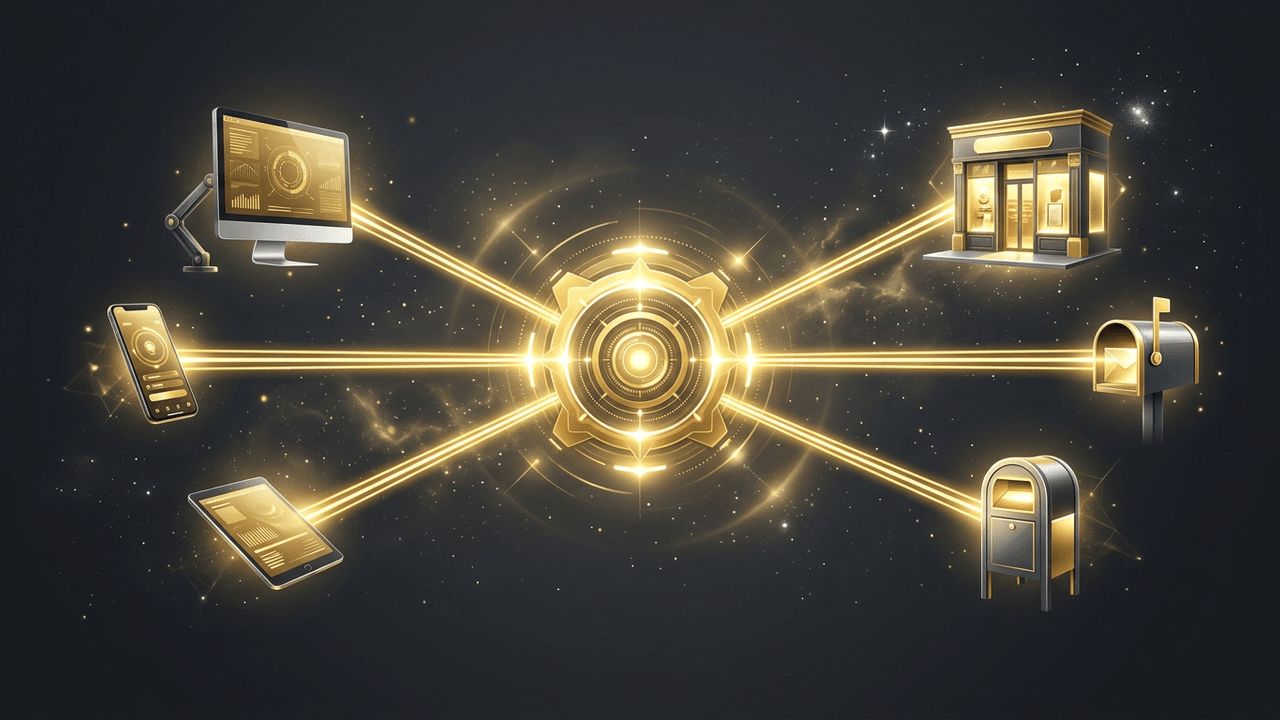
Customers no longer follow a straight line from discovery to purchase. One person might first see your brand on Instagram, read a review on Google, receive an email offer, and finally buy in your physical store. Another might do the opposite. Businesses that rely on only one channel risk missing large segments of their audience. Multichannel marketing addresses this by meeting customers on the platforms they already use. In this article, we explain what multichannel marketing is, why it matters, how it differs from omnichannel marketing, and how to build a strategy that delivers results.
How AAMAX.CO Helps Brands Execute Multichannel Marketing
Managing several channels at once can quickly become overwhelming without the right expertise and tools. AAMAX.CO is a full-service digital marketing company that provides web development, digital marketing, and SEO services worldwide. They help businesses identify which channels their audiences prefer, create tailored content for each platform, and coordinate campaigns so that every channel supports overall business goals. From search visibility and paid advertising to social media and email, their team ensures each channel is optimized and measurable. Businesses aiming to expand their reach without losing control of quality or budget can benefit greatly by hiring AAMAX.CO.
Defining Multichannel Marketing
Multichannel marketing is a strategy where a business interacts with customers across multiple direct and indirect channels to promote products and services. These channels can include websites, search engines, social media, email, SMS, mobile apps, marketplaces, print, television, events, and retail stores. The key idea is giving customers choices: they can engage with the brand wherever and however they prefer.
Each channel typically has its own objectives and tactics. For example, social media might focus on awareness and engagement, email on nurturing and retention, and search on capturing active demand. Together, they broaden the brand's footprint.
Multichannel vs. Omnichannel Marketing
The terms are often used interchangeably, but there is an important distinction. Multichannel marketing means being present on multiple channels, with each channel often operating somewhat independently. Omnichannel marketing goes further by fully connecting those channels so that the customer experience is seamless, for instance, a cart saved on mobile appears on desktop, or an in-store associate can see a customer's online order history.
Multichannel is frequently the first step toward omnichannel. Many businesses start by establishing strong presence on several channels, then gradually integrate data and experiences to create a unified journey.
Why Multichannel Marketing Matters
- Expanded reach: Different audiences favor different platforms. Being present on several channels lets you reach more potential customers.
- Customer preference: People like choosing how they interact with brands. Offering multiple options improves satisfaction.
- Higher engagement: Repeated exposure across channels reinforces brand recall and moves prospects closer to purchase.
- Reduced risk: Relying on one channel makes you vulnerable to algorithm changes or rising ad costs. Diversification protects your growth.
- Richer data: Multiple channels generate diverse insights about customer behavior and preferences.
Popular Channels in a Multichannel Strategy
Search engines: Organic SEO and paid search capture people actively looking for solutions.
Social media: Platforms like Facebook, Instagram, LinkedIn, and TikTok support awareness, community building, and targeted advertising.
Email marketing: A cost-effective channel for nurturing leads, sharing offers, and maintaining relationships.
Websites and apps: Owned properties where customers learn, compare, and convert.
Marketplaces: Platforms like Amazon or Etsy allow brands to reach shoppers where they already browse.
Offline channels: Physical stores, events, print, and direct mail still play a meaningful role, especially for local and premium brands.
How to Build a Multichannel Marketing Strategy
1. Research your audience. Identify where your customers spend time, how they research purchases, and which channels influence their decisions.
2. Prioritize channels. You do not need to be everywhere. Start with the channels that offer the best combination of audience presence and business fit, then expand.
3. Maintain brand consistency. Use consistent visuals, tone, and core messages while adapting format to each channel's style.
4. Tailor content per channel. Short videos may work on social platforms, detailed guides on your blog, and concise offers in email. Respect how users behave on each platform.
5. Centralize data. Use a CRM and analytics tools to gather customer data from every channel, enabling better personalization and attribution.
6. Coordinate campaigns. Plan launches and promotions so that channels reinforce each other. Working with an experienced digital marketing consultancy can help align channel plans with business strategy.
7. Measure and optimize. Track channel-specific KPIs along with overall metrics like customer acquisition cost and lifetime value. Shift budget toward the highest-performing channels.
Challenges of Multichannel Marketing
The biggest challenges include maintaining consistent messaging, managing resources across many platforms, and accurately attributing conversions when customers touch multiple channels. Data silos can also make it hard to see the complete customer picture. Addressing these issues requires clear brand guidelines, integrated tools, multi-touch attribution models, and a team or partner with cross-channel expertise.
Best Practices for Success
Start small and scale deliberately, focusing on quality over quantity. Automate repetitive tasks such as email sequences and social scheduling. Use retargeting to reconnect with users who interacted on one channel but did not convert. Continuously test new channels with small budgets before committing fully. Above all, keep the customer experience at the center of every decision.
Conclusion
Multichannel marketing allows businesses to meet customers wherever they are, increasing reach, engagement, and resilience. By selecting the right channels, keeping messaging consistent, centralizing data, and continuously optimizing, brands can build a powerful presence that drives sustained growth. As your strategy matures, connecting these channels more tightly can evolve your approach into a fully seamless omnichannel experience.
Want to publish a guest post on aamconsultants.org?
Place an order for a guest post or link insertion today.