
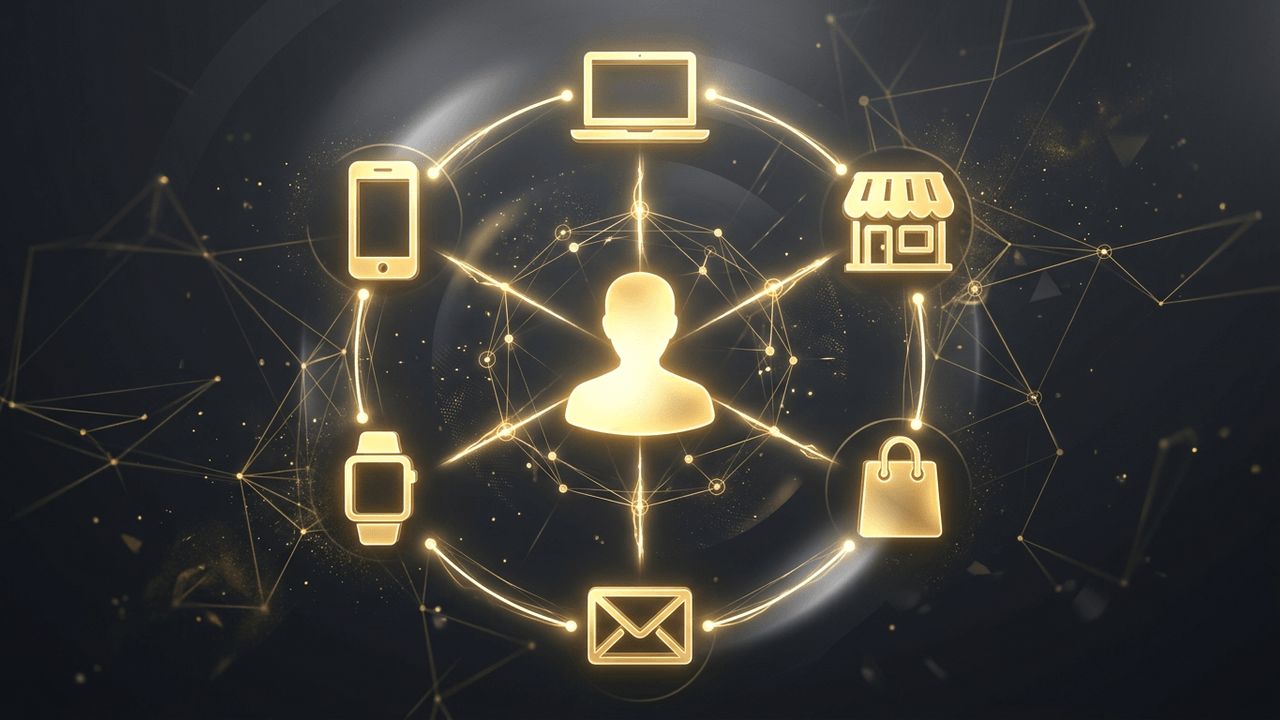
Today's customers do not move through a straight line from discovery to purchase. They might see a product on social media, research it on a laptop, compare reviews on a phone, visit a physical store, and finally buy through an app. An omnichannel marketing strategy is an approach that connects all of these touchpoints into one seamless, consistent experience. Rather than treating each channel as a separate silo, omnichannel marketing places the customer at the center and ensures that messaging, branding, data, and service flow smoothly wherever they interact with the brand. The result is greater convenience for customers and stronger loyalty and revenue for businesses.
How AAMAX.CO Builds Connected Omnichannel Experiences
Creating a truly unified customer journey requires technical skill and marketing expertise, which is what AAMAX.CO provides. They are a full-service digital marketing company delivering web development, SEO, and digital marketing services to clients worldwide. Their team helps businesses connect websites, social platforms, email, and paid advertising into one coherent system with shared data and consistent messaging. By coordinating channels such as Google Ads, organic search, and social media, they help brands meet customers wherever they are with the right message at the right moment.
Omnichannel vs. Multichannel Marketing
The terms are often confused, but there is an important difference. Multichannel marketing means a business is present on multiple channels, such as a website, social media, email, and physical stores. However, each channel may operate independently with its own messaging and data. Omnichannel marketing goes further by integrating those channels. A customer who adds an item to a cart on mobile can complete the purchase on desktop. A store associate can see a customer's online order history. An email reflects what the customer browsed yesterday. In omnichannel, the channels communicate with each other, and the experience feels like one continuous conversation.
Why Omnichannel Marketing Matters
Customer expectations have changed. People expect brands to recognize them and provide personalized, convenient experiences regardless of where they engage. Businesses with strong omnichannel strategies consistently report higher customer retention, greater lifetime value, and increased purchase frequency compared to those with fragmented approaches. Customers who engage across multiple channels also tend to spend more than single-channel shoppers.
Omnichannel also improves marketing efficiency. When data is unified, businesses can avoid sending irrelevant messages, reduce wasted ad spend, and attribute results more accurately across the journey.
Key Elements of an Omnichannel Strategy
Unified customer data. A central database or customer data platform collects information from every touchpoint, creating a single view of each customer.
Consistent branding and messaging. Visual identity, tone of voice, and core messages remain consistent across channels, building recognition and trust.
Personalization. Using behavioral and transactional data, brands tailor content, offers, and recommendations to individual customers.
Seamless transitions. Customers can start on one channel and continue on another without friction, such as buy online and pick up in store, or saved carts across devices.
Integrated technology. Ecommerce platforms, CRM systems, email tools, point-of-sale systems, and analytics must be connected to share data in real time.
Customer-centric culture. Teams across marketing, sales, service, and operations must collaborate around the customer rather than protecting channel-specific goals.
How to Build an Omnichannel Marketing Strategy
Map the customer journey. Identify every touchpoint customers use, from first awareness through purchase and post-sale support. Look for gaps and points of friction.
Understand your audience. Research which channels your customers prefer at each stage and what they expect from each interaction.
Centralize your data. Invest in tools that unify customer information so every channel has access to the same insights.
Create consistent content. Develop brand guidelines and messaging frameworks that can be adapted for each channel without losing consistency.
Automate intelligently. Use marketing automation to trigger relevant messages based on behavior, such as abandoned cart reminders or post-purchase follow-ups across email, SMS, and retargeting ads.
Measure holistically. Use multi-touch attribution to understand how channels work together rather than giving all credit to the last click.
Examples of Omnichannel in Action
Retailers that allow customers to check in-store inventory online, reserve items, and pick them up the same day are delivering omnichannel experiences. Coffee chains with apps that let customers order ahead, earn rewards, and pay seamlessly in store are another example. Even small businesses can practice omnichannel by syncing their social media messaging with email campaigns, ensuring their website reflects in-store promotions, and providing consistent customer service across phone, chat, and social messaging.
Challenges and How to Overcome Them
Common challenges include disconnected technology, data privacy concerns, organizational silos, and budget constraints. Businesses can overcome these by starting small, integrating the most important channels first, and expanding over time. Transparent data practices build customer trust, and shared goals across departments encourage collaboration.
Conclusion
An omnichannel marketing strategy puts the customer at the center of every interaction, connecting channels into a seamless, personalized journey. It goes beyond simply being present everywhere; it ensures that every touchpoint knows and builds on the others. By unifying data, maintaining consistent messaging, and removing friction between channels, businesses can deliver experiences that delight customers, increase loyalty, and drive sustainable growth in a world where the path to purchase is anything but linear.
Want to publish a guest post on aamconsultants.org?
Place an order for a guest post or link insertion today.