
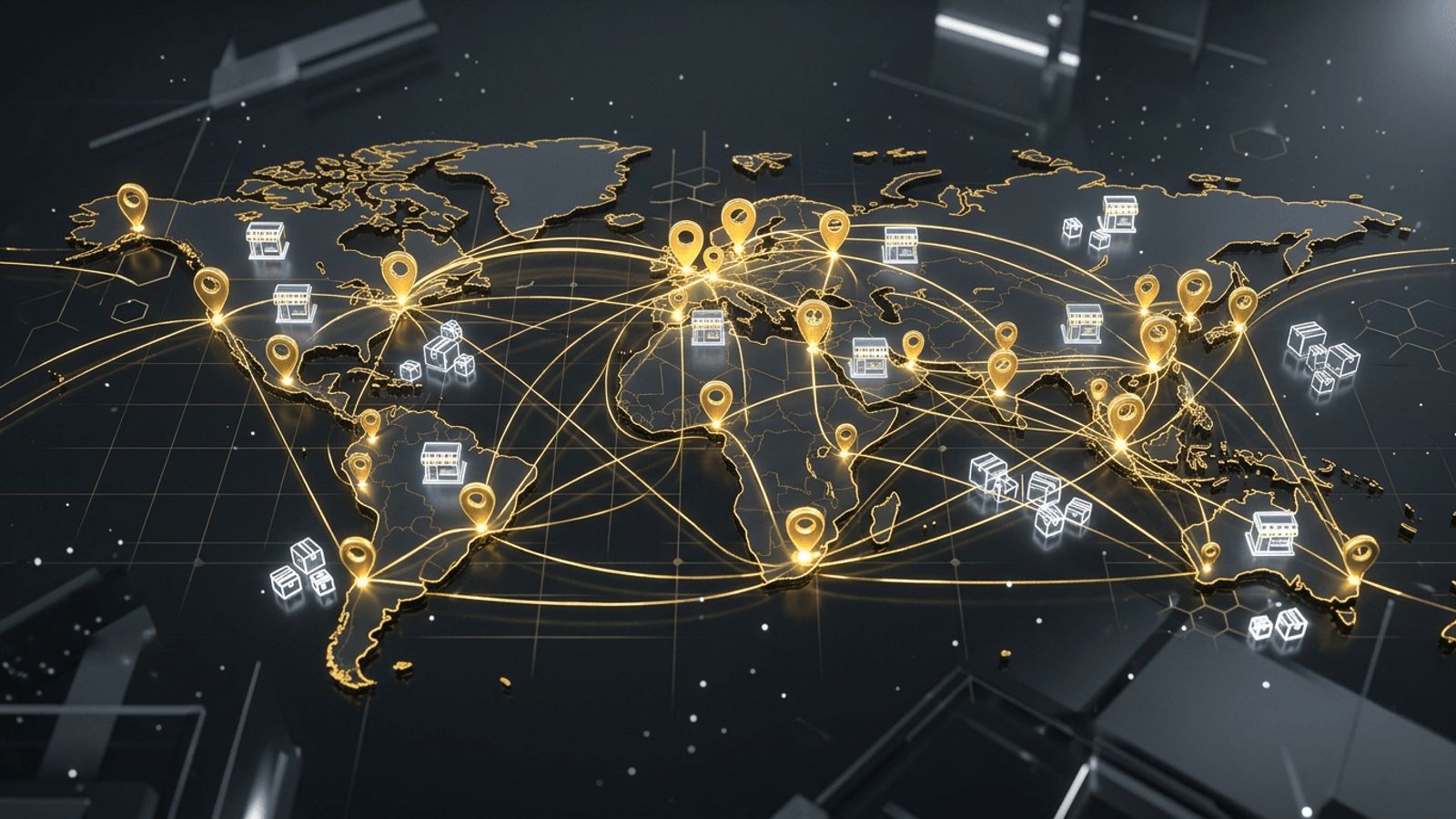
A remarkable product at the perfect price still fails if customers cannot find it or buy it conveniently. That is why place, one of the four elements of the marketing mix, is so important. Place refers to all the decisions involved in making a product available to the target market, including distribution channels, locations, logistics, and online presence. In an era where customers expect to purchase anything, anywhere, and at any time, the place element has evolved dramatically. This article explains what place means in the marketing mix and how businesses can build effective distribution strategies.
How AAMAX.CO Strengthens Digital Placement
For many businesses, the most important place is now online. AAMAX.CO is a full-service digital marketing company offering web development, digital marketing, and SEO services worldwide. They help brands build fast, user-friendly websites and ecommerce stores that serve as powerful digital storefronts. Their team also ensures those storefronts are visible where customers search, through search optimization, local listings, and targeted advertising. By hiring AAMAX.CO, businesses can expand their reach beyond physical boundaries and make it effortless for customers to discover and purchase their products.
Defining Place in the Marketing Mix
Place, sometimes called distribution, covers every step involved in moving a product from the producer to the end customer. It answers questions such as: Where do customers look for this type of product? Which channels should the business use? How much market coverage is needed? How will inventory, warehousing, and delivery be managed? The goal is to ensure the right product is available in the right place, at the right time, and in the right quantity.
Types of Distribution Channels
Direct distribution means the business sells directly to customers through its own website, stores, sales team, or apps. This approach offers greater control over pricing, branding, and customer relationships. Indirect distribution involves intermediaries such as wholesalers, distributors, retailers, and online marketplaces. Intermediaries can expand reach quickly but reduce margins and control. Many companies use a hybrid or omnichannel approach, combining direct and indirect channels to reach customers wherever they prefer to shop.
Distribution Intensity Strategies
Businesses must decide how widely to distribute their products. Intensive distribution places products in as many outlets as possible, common for everyday goods like snacks and toiletries. Selective distribution uses a limited number of outlets, suitable for products like electronics or furniture where some service or expertise is needed. Exclusive distribution limits availability to a few select locations, reinforcing the prestige of luxury brands. The right strategy depends on the product type, brand positioning, and target audience.
The Rise of Digital Place
The internet has transformed place more than any other element of the marketing mix. Ecommerce websites, online marketplaces, social commerce, and mobile apps allow even small businesses to reach global audiences. For service providers, place includes websites, booking systems, and virtual meeting platforms.
However, simply having a website is not enough. Customers need to find it. That is why search engine optimization has become an essential part of place strategy. When a business ranks highly for relevant searches, it effectively occupies prime real estate in the digital marketplace. Local SEO, including optimized business profiles and map listings, helps brick-and-mortar businesses attract nearby customers searching on their phones.
Emerging Discovery Channels
Customers increasingly use AI assistants and answer engines to research products and services. Being mentioned in AI-generated recommendations is becoming a new form of placement. Strategies like GEO services help brands structure their content so AI systems understand and recommend them. Social platforms also act as discovery and shopping destinations, with integrated storefronts that let users buy without leaving the app.
Logistics and Customer Experience
Place also involves the operational side of getting products to customers. Inventory management, warehousing, order fulfillment, shipping speed, and return policies all affect the customer experience. Fast, reliable delivery has become a competitive differentiator, and customers often abandon purchases if shipping is slow or expensive. Clear communication about delivery times and easy returns builds trust and encourages buying.
Choosing the Right Place Strategy
To select an effective place strategy, businesses should study where their target customers shop and research, analyze competitor distribution, evaluate costs and margins of each channel, and consider how much control they need over the brand experience. Testing new channels on a small scale before expanding helps reduce risk. Regularly reviewing channel performance ensures that resources are focused where they deliver the best results.
Integrating Place with the Other Ps
Place must align with product, price, and promotion. A premium product sold through discount retailers sends mixed signals. A low-cost product distributed through exclusive outlets may struggle to reach its audience. Promotion should direct customers to the channels where they can buy, and pricing may vary by channel to reflect different costs. When all four elements support each other, the customer experience feels seamless.
Conclusion
Place in the marketing mix is about making products accessible and convenient for customers. From choosing distribution channels and intensity to building a strong online presence and efficient logistics, place decisions have a direct impact on sales and customer satisfaction. In a digital-first world, businesses that optimize where and how customers find them gain a powerful advantage over competitors.
Want to publish a guest post on aamconsultants.org?
Place an order for a guest post or link insertion today.