
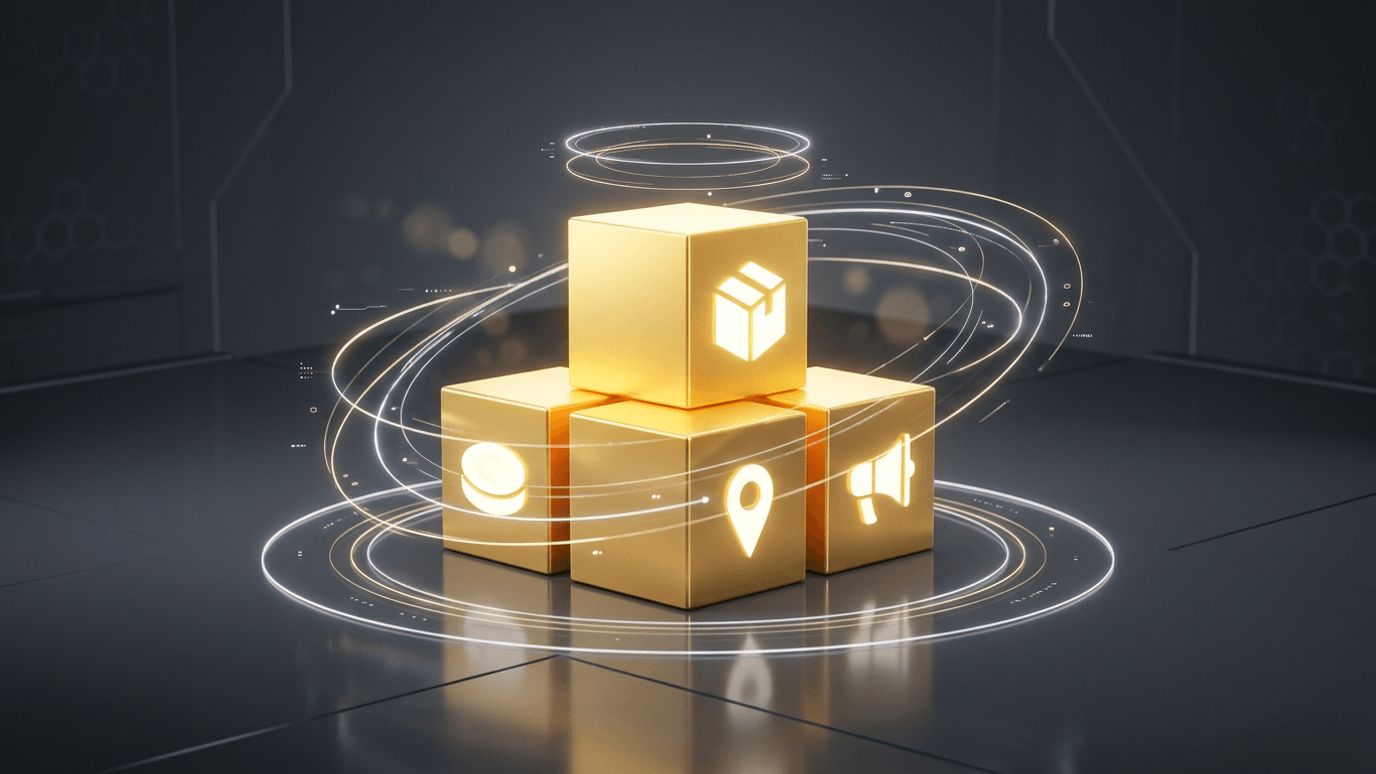
If you are new to marketing, the term 4P may sound like jargon, but it describes one of the simplest and most useful planning tools available. The 4P model breaks marketing into four decision areas: Product, Price, Place, and Promotion. Together, they help businesses design offerings that customers want, at prices they will pay, in places they shop, with messages that persuade. In this article, we explain the 4P in marketing in plain language, walk through a complete example, and show how small businesses can use the model to compete effectively.
Get Expert Help With the 4P Model From AAMAX.CO
Small and growing businesses often know their product well but need help with the other Ps, especially online promotion and distribution. AAMAX.CO is a full-service digital marketing company that offers web development, digital marketing, and SEO services worldwide. They help businesses build websites that act as effective sales channels and launch campaigns that put products in front of the right audience. Their social media marketing expertise is particularly valuable for promoting products to engaged, targeted communities.
The 4P in Marketing Explained Simply
The 4P model, introduced by E. Jerome McCarthy in 1960, is also known as the marketing mix. It reminds marketers that success depends on getting four key decisions right and making sure they work together.
Product
What are you selling? This includes the features, quality, design, brand, packaging, and support that make up your offering. A strong product solves a real problem for a specific audience.
Price
How much will customers pay? Price must cover costs, generate profit, and reflect the value customers perceive. It also signals quality and positioning.
Place
Where and how will customers buy? Place includes physical stores, websites, marketplaces, distributors, and delivery options. The goal is to make buying convenient.
Promotion
How will customers learn about you? Promotion includes advertising, social media, content, email, public relations, and sales outreach.
A Complete 4P Example
Imagine a startup launching a reusable, insulated water bottle aimed at eco-conscious commuters.
- Product: A leak-proof stainless steel bottle that keeps drinks cold for 24 hours, available in several modern colors, with a lifetime warranty and plastic-free packaging.
- Price: A mid-premium price point, positioned above budget bottles but below luxury brands, with bundle discounts for gifting.
- Place: Sold on the brand's ecommerce website, on Amazon, and in select eco-friendly retail stores in major cities.
- Promotion: Instagram and TikTok content showing commuter lifestyles, partnerships with sustainability influencers, a blog about reducing plastic waste, and search ads for "best insulated water bottle."
Every element supports the same positioning: a stylish, sustainable, high-quality bottle for people who care about the planet.
Why the 4P Model Works
The 4P model works because it is simple and comprehensive. It ensures you do not focus on one area while neglecting another. Many businesses invest heavily in promotion while ignoring product quality or pricing issues, leading to disappointing results. The 4P framework forces a balanced view and reveals inconsistencies before they hurt performance.
Using the 4P Model as a Small Business
Small businesses can use the 4P model to compete with larger companies by focusing on their unique strengths:
- Product: Emphasize personalization, craftsmanship, or specialized expertise that big brands cannot match.
- Price: Compete on value rather than simply being the cheapest, highlighting quality and service.
- Place: Use your website, local search listings, and niche marketplaces to reach customers directly.
- Promotion: Leverage community connections, customer reviews, social media, and targeted digital ads to reach specific audiences efficiently.
Adapting the 4P Model for the Digital Era
Digital technology has expanded each P. Products may include apps, online experiences, and continuous updates. Pricing can be dynamic and personalized. Place now includes social commerce, mobile apps, and voice assistants. Promotion spans search engines, social platforms, video, email, and AI-driven discovery tools. Applying the 4P model to digital channels ensures your strategy remains relevant.
Limitations of the 4P Model
Critics note that the 4P model is company-focused and may overlook customer experience and service elements. That is why some marketers use the 7Ps or the customer-oriented 4Cs. However, these models build on the original 4P foundation, and many marketers use them together for a more complete view.
Quick Checklist
To apply the 4P model today, ask: Does my product solve a clear problem? Does my price reflect its value? Can customers easily find and buy it? Is my promotion reaching the right people with a consistent message? If any answer is uncertain, that P deserves attention.
Frequently Asked Questions
Who created the 4P model? E. Jerome McCarthy introduced it in 1960, building on Neil Borden's earlier concept of the marketing mix.
Is the 4P model still relevant? Yes. While digital channels have changed how each P is executed, the four core decisions remain essential for every business.
Which P is the most important? All four matter, but product is usually the foundation. Without a product that delivers real value, pricing, distribution, and promotion struggle to succeed.
How often should I review my 4Ps? Review them at least once a year, and whenever you launch new products, enter new markets, or see significant changes in customer behavior or competition.
Conclusion
The 4P in marketing stands for Product, Price, Place, and Promotion, four decisions that shape every successful marketing strategy. By making thoughtful choices in each area and ensuring they align, businesses of any size can create compelling offerings, reach the right customers, and achieve sustainable growth.
Want to publish a guest post on aamconsultants.org?
Place an order for a guest post or link insertion today.