
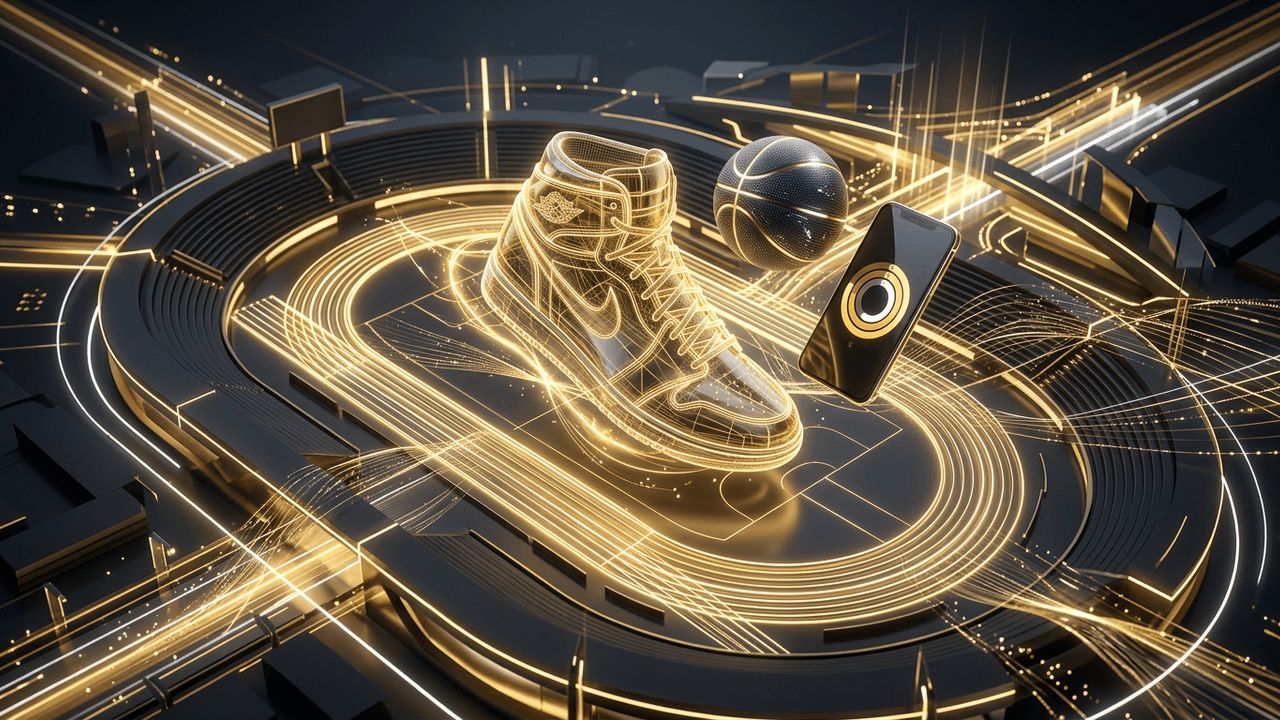
Nike is more than a sportswear company. It is a cultural icon whose marketing has shaped how the world thinks about sport, fitness, and self-expression. The marketing strategy of Nike combines premium brand positioning, relentless product innovation, powerful storytelling, community-building platforms, and a data-driven direct-to-consumer model. While much attention goes to its famous advertisements, Nike's success comes from how every element of its marketing works together, from product design and pricing to distribution and digital engagement. Examining Nike through the lens of the marketing mix and modern digital marketing reveals a blueprint that businesses everywhere can learn from.
How AAMAX.CO Helps Businesses Build Powerful Brands
Building a brand with strong identity and customer loyalty requires strategy and consistent execution, and AAMAX.CO provides both. They are a full-service digital marketing company offering web development, SEO, and digital marketing services worldwide. Their team helps businesses develop clear positioning, create engaging digital experiences, and drive growth through targeted campaigns. With proven SEO services, they help brands become visible when customers search, laying the groundwork for the kind of recognition and trust that iconic brands enjoy.
Product: Innovation as Marketing
Nike treats product innovation as one of its most important marketing tools. Technologies in cushioning, lightweight knit uppers, and responsive foams give the brand a constant stream of stories to tell. Each innovation is launched with a narrative about performance and progress. Signature athlete collections, collaborations with designers and artists, and limited releases keep the product line exciting and newsworthy.
Nike also expands its product range across lifestyle, performance, and sustainability categories, ensuring it appeals to serious athletes, casual fitness enthusiasts, and fashion-conscious consumers alike.
Price: Premium Positioning
Nike uses premium pricing to reinforce perceptions of quality, innovation, and status. Its products are generally priced higher than many competitors, and customers willingly pay that premium because of the brand's emotional and functional value. At the same time, Nike offers a range of price points through different product lines and outlet channels, allowing it to reach broader audiences without diluting its flagship image. Limited-edition sneakers often resell for far more than their retail price, further strengthening the brand's desirability.
Place: Controlled, Selective Distribution
Nike has become increasingly selective about where its products are sold. The company focuses on its own digital channels and flagship stores while maintaining partnerships with a smaller group of strategic retailers. This approach gives Nike more control over brand presentation, customer data, and pricing. Experiential flagship stores offer customization stations, interactive displays, and community events, turning shopping into an immersive brand experience.
Promotion: Storytelling and Athletes
Nike's promotional strategy is built on storytelling. Its campaigns celebrate determination, overcoming obstacles, and pushing limits. Partnerships with elite athletes provide credibility and emotional resonance, while campaigns featuring everyday people make the brand relatable. Nike frequently launches its biggest campaigns around major sporting events, maximizing visibility when audiences are most engaged.
The brand is also willing to take bold positions on social issues, which deepens loyalty among audiences who share its values and generates significant earned media.
Community Building Through Apps
A key part of the modern marketing strategy of Nike is its digital ecosystem. Its running and training apps help millions of people track workouts, join challenges, and follow guided sessions. These apps provide genuine value, keeping Nike part of customers' daily routines. The membership program connects these experiences, offering early access to products, exclusive content, and personalized recommendations. This ecosystem transforms customers into a community and provides Nike with rich first-party data.
Data-Driven Personalization
Nike uses data from apps, purchases, and website interactions to personalize marketing. Customers receive product recommendations based on their preferences, activity levels, and past purchases. Marketing emails and app notifications are tailored to individual interests. This level of personalization increases conversion rates and makes customers feel understood.
Content and Social Media
Nike's content strategy includes inspirational videos, athlete documentaries, training tips, and behind-the-scenes stories. On social media, the brand prioritizes high-quality visuals and authentic storytelling over hard selling. Separate accounts serve different sports and audiences, enabling more targeted engagement. This content-rich approach keeps followers engaged and reinforces Nike's position as a leader in sport culture.
Sustainability and Purpose
Nike increasingly highlights sustainability initiatives, such as products made with recycled materials and programs to reduce waste. Purpose-driven marketing appeals to younger consumers who expect brands to act responsibly. By integrating sustainability into product innovation and storytelling, Nike strengthens its relevance for the future.
Key Takeaways for Businesses
Nike's strategy shows that great marketing is holistic. Product innovation creates stories. Premium pricing reinforces brand value. Controlled distribution protects the experience. Emotional storytelling builds connection. Digital platforms create community and data. Businesses can apply these principles by aligning every customer touchpoint with a clear brand identity and delivering genuine value beyond the product itself.
Conclusion
The marketing strategy of Nike is a powerful combination of innovation, emotion, community, and data. By integrating product, price, place, and promotion with a sophisticated digital ecosystem, Nike has built a brand that inspires loyalty across generations. Its success demonstrates that the strongest marketing does not just sell products; it builds belonging, purpose, and lasting relationships with customers.
Want to publish a guest post on aamconsultants.org?
Place an order for a guest post or link insertion today.