
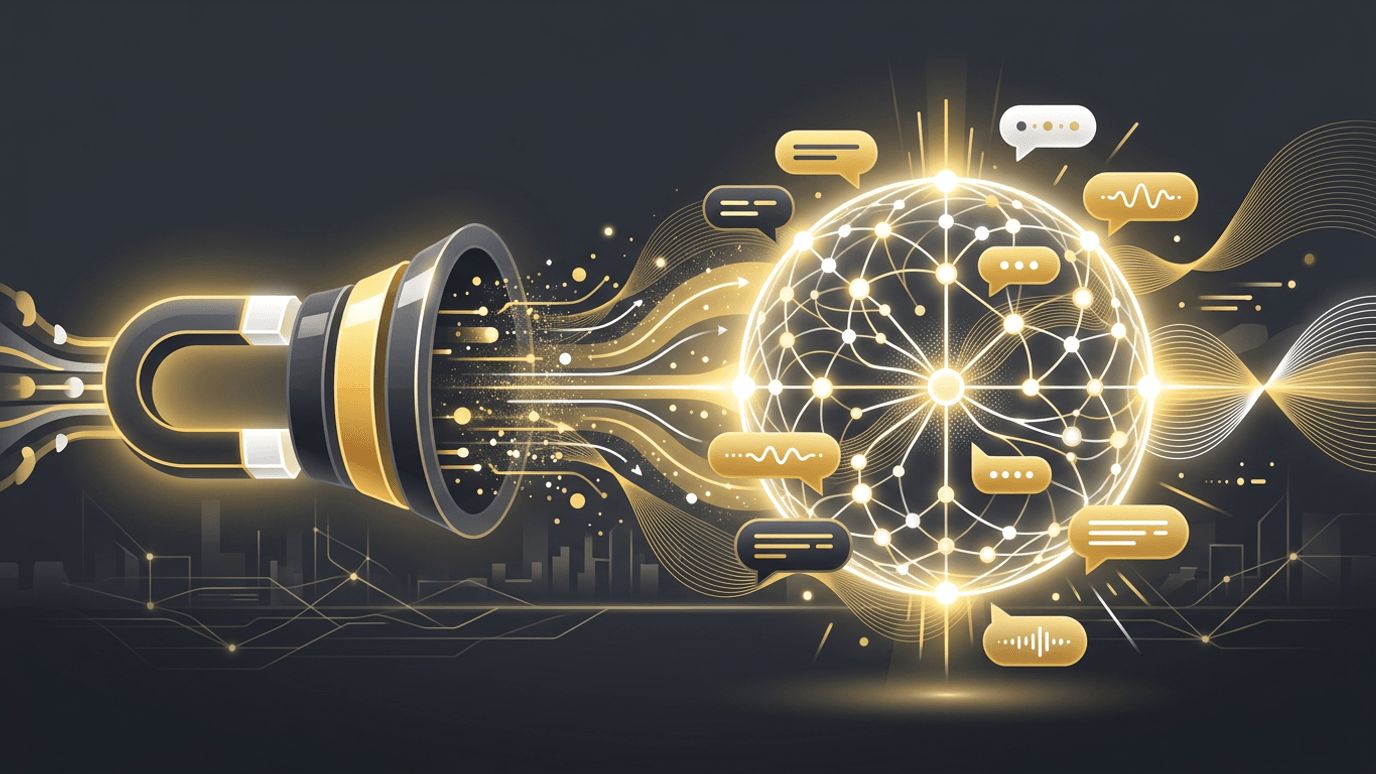
For more than a decade, inbound marketing dominated the playbook: publish helpful content, rank in search, capture leads with gated offers, and nurture them through email until they are ready to buy. It worked remarkably well. But in 2026, buyer behavior has changed. AI assistants answer questions directly, social platforms reward short-form video and community, and buyers expect instant, personalized interactions. The question many marketers are asking is simple: what replaces inbound marketing? The answer is not a single tactic, but a new, more integrated approach.
How AAMAX.CO Helps Brands Adapt to the Post-Inbound Era
Navigating this shift requires a partner who understands both proven fundamentals and emerging channels. AAMAX.CO is a full-service digital marketing company offering web development, digital marketing, and SEO services worldwide. Their team helps businesses evolve beyond traditional inbound by optimizing for AI-driven search, building conversational experiences, and creating content designed for modern discovery. They combine search expertise, paid media, and web development to help brands stay visible wherever buyers are looking in 2026 and beyond.
Why Traditional Inbound Marketing Is Changing
Inbound marketing was built around a specific journey: a buyer searches, clicks a blog post, downloads an ebook, and enters a nurturing funnel. Several forces have disrupted that path:
- Zero-click search: Search engines and AI assistants increasingly answer questions directly, reducing website clicks.
- Content saturation: AI tools have made content creation easy, flooding the internet with similar articles.
- Gated content fatigue: Buyers are reluctant to exchange contact details for generic downloads.
- Dark social: Many buying conversations now happen in private communities, messaging apps, and podcasts that are hard to track.
- Demand for immediacy: Buyers want instant answers and personalized interactions rather than long nurture sequences.
1. Generative Engine Optimization
One of the biggest replacements for traditional inbound tactics is optimizing for AI-powered answer engines. When buyers ask an AI assistant for recommendations, brands that are cited in those responses gain enormous visibility. Generative engine optimization focuses on creating authoritative, well-structured, and widely referenced content that AI systems trust and surface.
This means building brand mentions across reputable sources, structuring content with clear answers, using schema markup, and demonstrating genuine expertise. Search still matters, but visibility now extends beyond the traditional list of blue links.
2. Conversational Marketing
Instead of asking visitors to fill out forms and wait for follow-up, conversational marketing engages them in real time. AI chat assistants, live chat, and messaging apps allow businesses to answer questions, qualify leads, and book meetings instantly. In 2026, AI agents can handle complex conversations, recommend products, and personalize experiences at scale, replacing much of the slow nurture process that defined inbound.
3. Community-Led Growth
Buyers increasingly trust peers over brands. Community-led growth focuses on building spaces where customers, prospects, and experts connect, share knowledge, and support each other. Online communities, user groups, private forums, and events create loyalty and organic word-of-mouth. Rather than pulling people to a blog, brands build ecosystems where people want to spend time.
4. Creator and Founder-Led Content
Faceless corporate content is losing ground to authentic voices. Founders, executives, employees, and creators sharing insights on platforms like LinkedIn, YouTube, and podcasts build trust far more effectively than anonymous blog posts. This human-centered approach fits well with social media marketing strategies focused on personality, consistency, and genuine engagement.
5. Product-Led and Value-First Experiences
Instead of gating content, many companies now give away real value upfront through free tools, interactive calculators, templates, freemium products, and trials. Letting buyers experience the product or expertise directly builds confidence faster than reading another whitepaper. This value-first mindset replaces the lead-magnet model with tangible proof.
6. Intent Data and Signal-Based Marketing
Modern marketing relies on signals that indicate buying intent, such as website visits, product usage, content engagement, and third-party research activity. Rather than nurturing every lead equally, businesses use these signals to reach the right accounts at the right time with personalized messages. This approach merges marketing and sales into a coordinated, data-driven motion.
Is Inbound Marketing Really Dead?
Inbound marketing is not dead; it is evolving. Its core principle of attracting buyers by providing value remains as relevant as ever. What has changed is how and where that value is delivered. Helpful content still matters, but it must be distinctive, authoritative, and distributed across search, AI platforms, social channels, and communities. Strong SEO services remain foundational, now enhanced with strategies for AI visibility and multi-platform discovery.
How to Prepare Your Marketing for 2026
Start by auditing how your brand appears in AI-generated answers and search results. Invest in original research, expert perspectives, and unique insights that cannot be easily replicated. Add conversational tools to your website to engage visitors instantly. Encourage leaders and team members to share expertise publicly. Build or join communities where your audience gathers, and use intent data to prioritize outreach. Finally, measure success through pipeline influence, brand visibility, and customer engagement rather than just form fills.
Conclusion
In 2026, inbound marketing is being replaced not by one tactic but by an ecosystem of strategies: generative engine optimization, conversational marketing, community-led growth, creator-led content, value-first experiences, and signal-based targeting. The brands that thrive will be those that meet buyers wherever they are, deliver value instantly, and build trust through authenticity and expertise. Adapting now ensures your business stays visible and competitive as the digital landscape continues to evolve.
Want to publish a guest post on aamconsultants.org?
Place an order for a guest post or link insertion today.