
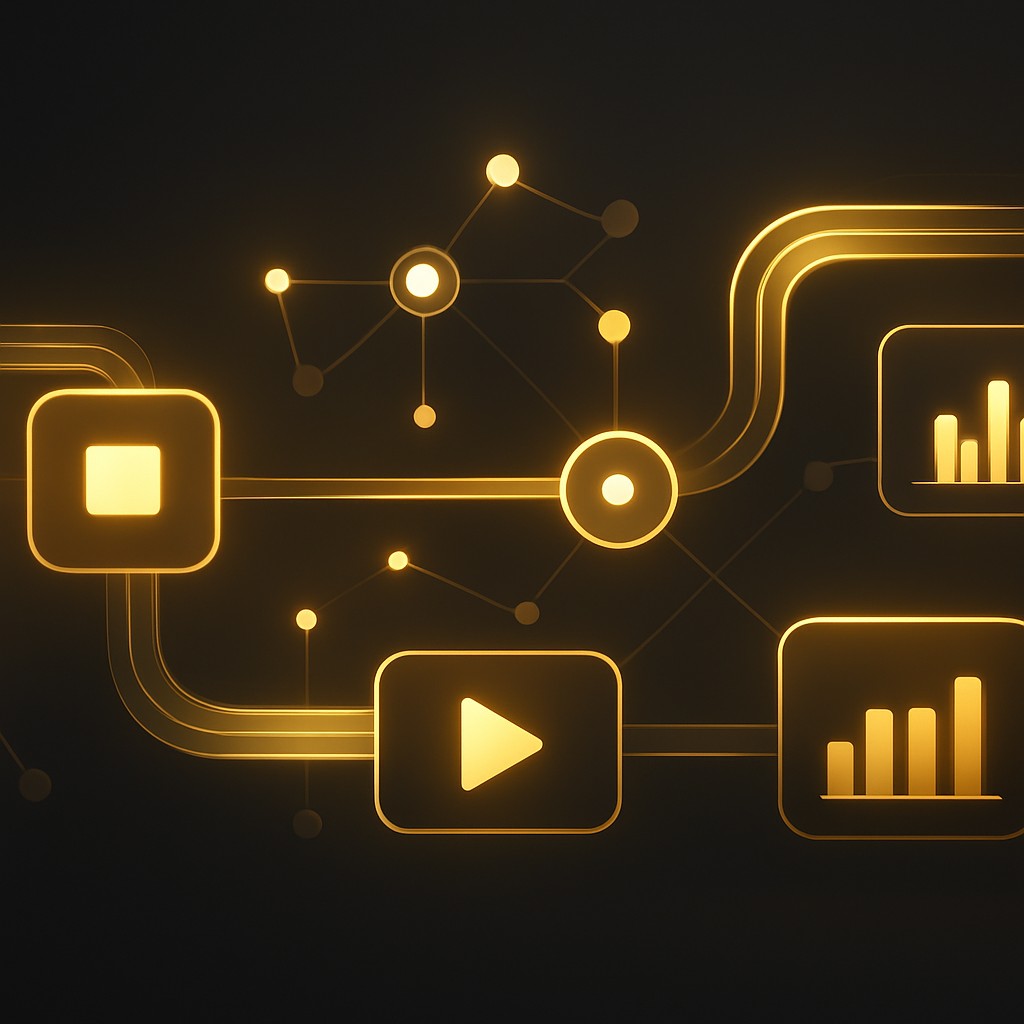
The Supply Chain in Digital Marketing
When most people hear the term supply chain, they think of warehouses, logistics, and physical goods moving from manufacturer to consumer. Yet the concept of a supply chain applies remarkably well to the world of online marketing. The supply chain in digital marketing refers to the interconnected flow of ideas, content, data, and campaigns—from initial strategy through creation, distribution, and optimization. Understanding this flow helps businesses operate more efficiently and deliver consistently strong results.
Just as a physical supply chain must run smoothly to deliver products on time, a marketing supply chain must be well-coordinated to deliver the right message to the right audience at the right moment. Bottlenecks, inefficiencies, and breakdowns in this chain lead to wasted resources and missed opportunities.
How AAMAX.CO Streamlines Your Marketing Supply Chain
Managing the many moving parts of a marketing operation requires expertise and coordination, which is precisely what AAMAX.CO provides. As a full-service company offering web development, SEO, and digital marketing services worldwide, they help businesses build efficient, integrated marketing systems where every component works in harmony. Their team ensures that strategy, content, distribution, and analysis flow seamlessly, eliminating the bottlenecks that hold many marketing operations back.
The Stages of the Marketing Supply Chain
The marketing supply chain begins with strategy and research—understanding your audience, market, and objectives. This is the raw material from which everything else is built. Next comes content creation, where ideas are transformed into blog posts, videos, ads, and other assets. Distribution follows, pushing that content across the channels where your audience lives. Finally, analysis and optimization close the loop, feeding insights back into strategy.
Each stage depends on the one before it. Weak strategy leads to unfocused content; poor distribution means great content goes unseen; and without analysis, the entire chain operates blindly. A well-managed supply chain ensures each stage strengthens the next.
Content as Inventory
In a physical supply chain, inventory must be managed carefully to avoid shortages and waste. The same is true of content. Maintaining a steady pipeline of high-quality content ensures you always have material to distribute and never go silent. Strong search engine optimization ensures this content reaches its audience efficiently, capturing organic traffic and maximizing the value of every asset you produce.
Just as smart inventory management reduces waste, repurposing content across formats and channels maximizes the return on your creative investment. A single piece of cornerstone content can fuel dozens of smaller assets.
Distribution Channels
Distribution is where your content reaches the market. A diversified distribution strategy ensures you are not overly dependent on any single channel. Engaging social media marketing distributes your content to engaged communities, while paid campaigns through Google ads deliver targeted reach to high-intent audiences. Together, these channels ensure your message reaches the widest relevant audience.
Coordinating distribution across channels amplifies impact. When your content appears consistently across search, social, and paid placements, it reinforces your message and builds the familiarity that drives conversions.
Data as the Connective Tissue
Data flows through every stage of the marketing supply chain, connecting strategy to results. By tracking how content performs, which channels drive the best returns, and how audiences engage, you gain the insights needed to optimize the entire system. This data-driven feedback loop is what separates high-performing marketing operations from those that simply guess.
Continuous measurement allows you to identify inefficiencies, reallocate resources, and refine your approach. Over time, this leads to a marketing supply chain that grows more efficient and effective with each cycle.
Optimizing for Efficiency
Just as supply chain managers constantly seek to eliminate waste and improve flow, marketers should continuously optimize their operations. Streamlining content production, automating repetitive tasks, and improving coordination between channels all increase efficiency. The result is more output, better results, and a stronger return on your marketing investment.
Conclusion
Viewing digital marketing through the lens of a supply chain reveals powerful opportunities for efficiency and improvement. By managing the flow of strategy, content, distribution, and data as an interconnected system, businesses can deliver consistently strong results while minimizing waste. With expert guidance, you can build a streamlined marketing supply chain that drives sustainable growth for your business.
Want to publish a guest post on aamconsultants.org?
Place an order for a guest post or link insertion today.