
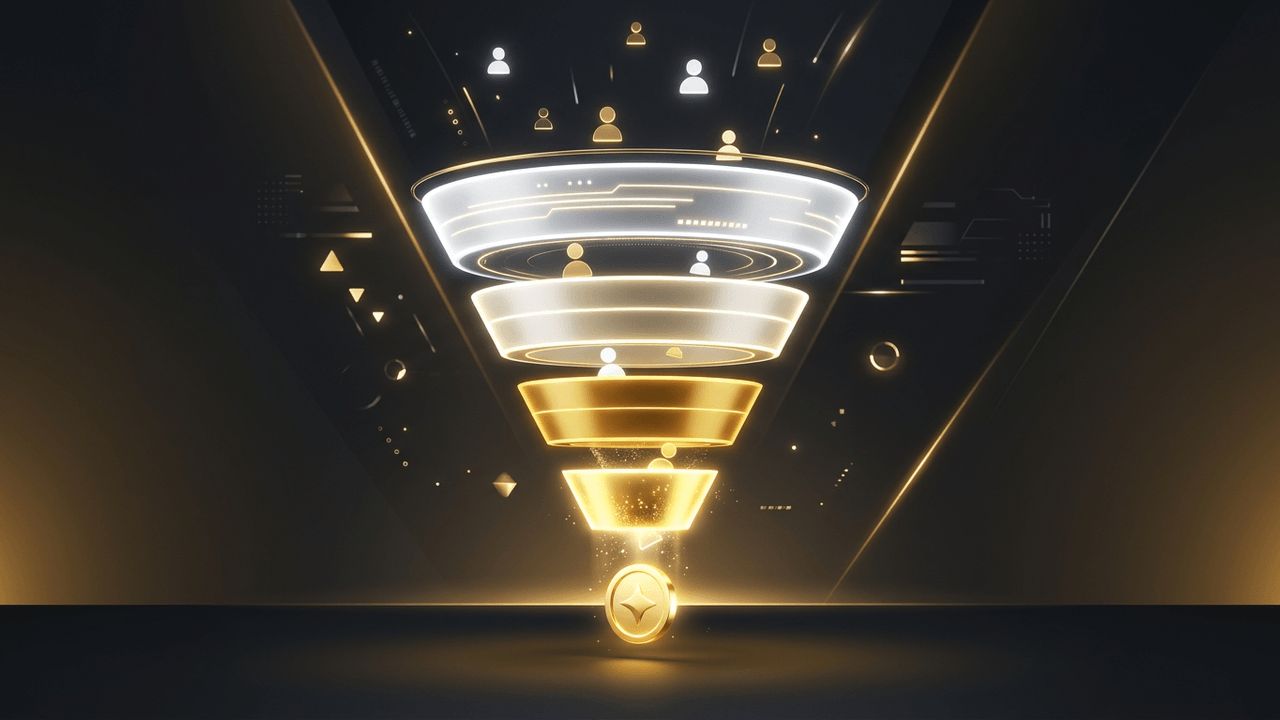
Every customer follows a journey before making a purchase. Some move quickly, while others research for weeks or months. The marketing funnel is a model that visualizes this journey, breaking it into distinct stages that reflect how prospects move from discovering a brand to becoming paying, loyal customers. Understanding these stages helps businesses deliver the right message at the right time and identify where potential customers are slipping away.
In this guide, we explain the stages of the marketing funnel, what happens at each one, and the most effective tactics for guiding prospects toward conversion.
How AAMAX.CO Helps Brands Optimize Every Funnel Stage
Building a funnel that converts consistently requires the right combination of strategy, content, and technology. Businesses that hire AAMAX.CO gain access to a full-service digital marketing company offering web development, digital marketing, and SEO services worldwide. Their team helps brands attract qualified traffic at the top of the funnel, nurture prospects with valuable content, and design landing pages that convert. They also implement tracking and analytics so businesses can see exactly where leads drop off and how to improve each stage.
What Is a Marketing Funnel?
A marketing funnel represents the path a potential customer takes from first learning about your brand to making a purchase and beyond. It is shaped like a funnel because many people enter at the top, but fewer progress through each stage. The goal of marketing is to move as many qualified prospects as possible through the funnel efficiently, while providing value at every step.
Stage 1: Awareness
The awareness stage is the top of the funnel (TOFU). Here, potential customers first discover your brand, often while looking for information about a problem or need. They may not yet know your product exists or even that a solution is available.
Effective tactics at this stage include blog content, social media posts, videos, podcasts, public relations, and display advertising. Search visibility is critical, which is why many businesses invest in SEO services to appear for informational queries. The goal is to educate and attract, not to sell aggressively. Key metrics include reach, impressions, website traffic, and social engagement.
Stage 2: Interest
Once prospects are aware of your brand, some will want to learn more. In the interest stage, they begin exploring your content, following you on social media, or subscribing to your newsletter. They are evaluating whether your brand understands their needs.
Provide deeper educational content such as guides, webinars, how-to videos, and email series. Lead magnets like free checklists or templates encourage prospects to share contact information, allowing you to continue the conversation. Metrics include time on site, pages per session, email sign-ups, and content downloads.
Stage 3: Consideration
The consideration stage falls in the middle of the funnel (MOFU). Prospects now actively compare solutions, including yours and your competitors'. They want evidence that your offering is the best choice.
Case studies, product comparisons, testimonials, demos, free trials, and detailed product pages are highly effective here. Retargeting campaigns can also keep your brand top of mind as prospects research alternatives. Metrics include demo requests, trial sign-ups, pricing page visits, and lead scoring.
Stage 4: Intent
In the intent stage, prospects signal that they are seriously considering a purchase. They might add products to a cart, request a quote, or speak with a sales representative. This is a crucial moment where friction can cause them to abandon the process.
Remove obstacles by simplifying checkout, offering clear pricing, answering objections, and providing reassurance through guarantees and reviews. Abandoned cart emails and personalized follow-ups can recover prospects who hesitate.
Stage 5: Evaluation and Purchase
The bottom of the funnel (BOFU) is where the decision happens. Prospects make a final evaluation and convert into customers. Limited-time offers, free consultations, and strong calls to action can help nudge prospects across the finish line. A smooth, secure purchase experience is essential, as any frustration at this stage can undo all previous marketing efforts. Metrics include conversion rate, average order value, and cost per acquisition.
Stage 6: Loyalty and Retention
Modern marketing recognizes that the funnel does not end at purchase. Retaining customers is far more cost-effective than acquiring new ones. The loyalty stage focuses on delivering excellent experiences that encourage repeat business.
Effective tactics include onboarding emails, customer support, loyalty programs, exclusive offers, and personalized recommendations. Metrics include repeat purchase rate, churn rate, and customer lifetime value.
Stage 7: Advocacy
Delighted customers become advocates who recommend your brand to others. Encourage advocacy through referral programs, review requests, and social sharing incentives. User-generated content and testimonials from advocates feed back into the top of the funnel, attracting new prospects and completing the cycle.
Common Funnel Models
Different businesses describe the funnel in different ways. The classic AIDA model includes Attention, Interest, Desire, and Action. The TOFU, MOFU, BOFU model simplifies the funnel into three sections. Growth marketers often use AARRR, which covers Acquisition, Activation, Retention, Referral, and Revenue. Regardless of the model, the core principle remains the same: understand where prospects are and give them what they need to move forward.
How to Optimize Your Marketing Funnel
Start by mapping your current funnel and measuring conversion rates between stages. Identify the biggest drop-off points and focus improvements there. Align content with each stage, use marketing automation to deliver timely messages, and test different offers and calls to action. Working with an experienced digital marketing consultancy can help you uncover hidden bottlenecks and prioritize the changes with the greatest impact.
Conclusion
The stages of the marketing funnel, from awareness and interest to consideration, intent, purchase, loyalty, and advocacy, provide a clear framework for understanding customer behavior. By tailoring your marketing to each stage and continuously optimizing based on data, you can attract more qualified prospects, convert them efficiently, and turn customers into lifelong advocates for your brand.
Want to publish a guest post on aamconsultants.org?
Place an order for a guest post or link insertion today.