
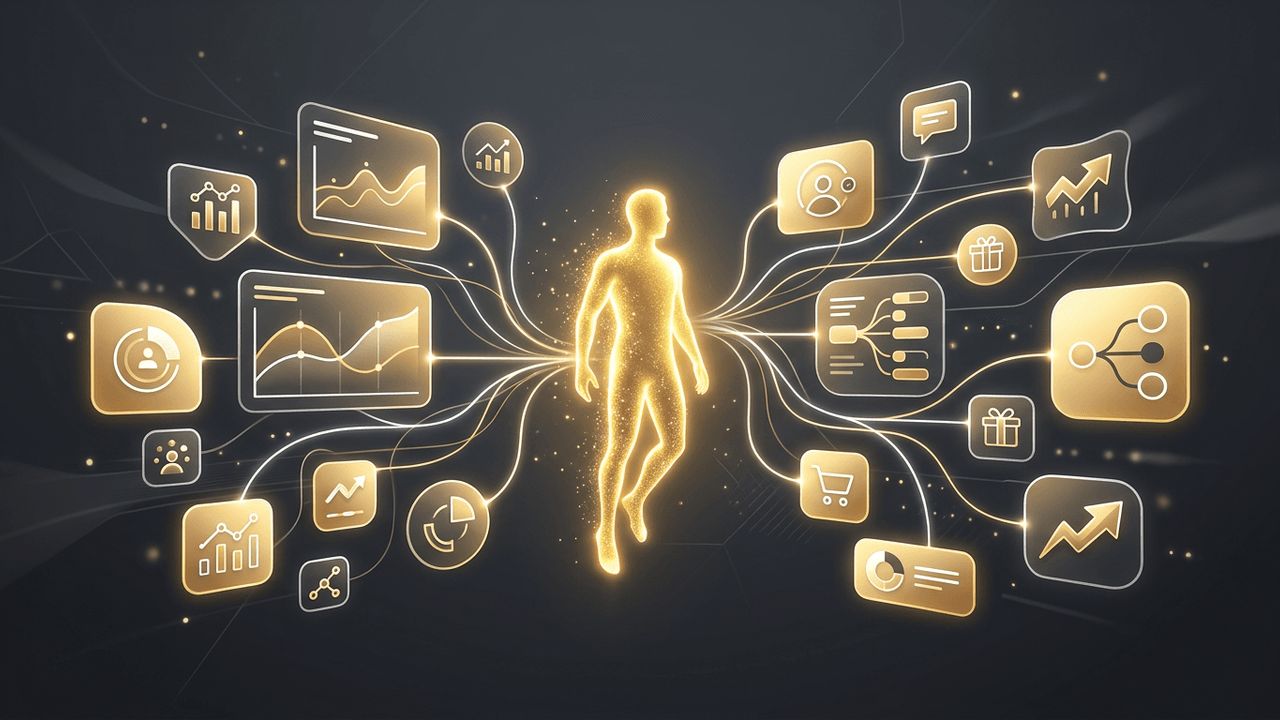
Consumers today are surrounded by marketing messages. They scroll past hundreds of ads every day, receive dozens of promotional emails, and navigate websites competing for a few seconds of attention. In this crowded environment, generic messages simply fade into the background. Personalization has emerged as one of the most effective ways for brands to cut through the noise. By delivering content, offers, and experiences that reflect each person's interests, behavior, and needs, businesses can build stronger relationships and drive measurable growth. Understanding why personalization matters is the first step toward building digital marketing campaigns that truly connect.
How AAMAX.CO Helps Brands Deliver Personalized Marketing
Implementing personalization at scale requires the right mix of strategy, data, creative, and technology. AAMAX.CO is a full service digital marketing company that offers Web Development, Digital Marketing, and SEO Services worldwide, and they help brands turn customer data into meaningful, individualized experiences. Their team can build dynamic websites, segment email audiences, create tailored ad campaigns, and set up analytics that reveal what each audience segment responds to. By combining technical expertise with creative storytelling, they help businesses deliver the right message to the right person at the right time.
What Is Personalization in Digital Marketing?
Personalization is the practice of tailoring marketing messages and experiences to individual users or specific audience segments. It ranges from simple tactics, such as addressing an email recipient by name, to sophisticated strategies, such as dynamically changing website content based on browsing history, location, or stage in the buying journey.
The goal is to make every interaction feel relevant. When people feel that a brand understands them, they are more likely to engage, purchase, and return.
Customers Now Expect Personalized Experiences
Perhaps the most important reason personalization matters is that customers expect it. Streaming platforms recommend shows based on viewing habits, ecommerce stores suggest products based on past purchases, and music apps create playlists tailored to individual tastes. These experiences have reset consumer expectations across every industry.
Surveys consistently show that the majority of consumers are more likely to buy from brands that offer personalized experiences, and many express frustration when content feels irrelevant. Brands that fail to personalize risk appearing outdated and indifferent.
Higher Engagement and Conversion Rates
Personalized messages simply perform better. Emails with personalized subject lines and content tend to achieve higher open and click-through rates. Website visitors who see recommendations aligned with their interests stay longer and view more pages. Landing pages tailored to a specific ad or audience segment often convert at significantly higher rates than generic pages.
This improvement happens because personalization reduces friction. Instead of forcing users to search for what they need, it brings the most relevant products, content, or offers directly to them.
Improved Return on Ad Spend
Advertising budgets go further when campaigns are personalized. Platforms like Google and Meta allow marketers to target audiences based on demographics, interests, behaviors, and previous interactions with a brand. Retargeting campaigns, for example, show tailored ads to users who visited specific product pages but did not purchase.
Well-structured Google ads campaigns can use audience signals, location targeting, and customized ad copy to reach high-intent searchers with messages that match their exact needs. The result is lower wasted spend and higher conversion rates.
Stronger Customer Loyalty and Lifetime Value
Personalization is not only about winning the first sale. It plays a critical role in retention. When customers receive post-purchase recommendations, loyalty rewards based on their preferences, and helpful content tailored to the products they own, they feel valued. That sense of being understood builds emotional loyalty.
Loyal customers buy more frequently, spend more per transaction, and are more likely to recommend a brand to others. Over time, personalization significantly increases customer lifetime value.
Better Use of Customer Data
Most businesses already collect large amounts of data through their websites, CRM systems, email platforms, and social channels. Personalization turns that data into action. Instead of letting insights sit unused in spreadsheets, marketers can use them to segment audiences, predict behavior, and automate relevant communications.
Importantly, personalization must be handled responsibly. Respecting privacy regulations, being transparent about data use, and giving users control over their preferences are essential for maintaining trust.
Key Personalization Tactics to Implement
Businesses can begin personalizing their marketing with a range of practical tactics:
- Audience segmentation: Group customers by demographics, behavior, purchase history, or interests to deliver more relevant campaigns.
- Dynamic website content: Change headlines, images, or offers based on visitor location, referral source, or returning status.
- Behavior-triggered emails: Send automated messages after actions such as cart abandonment, product views, or account sign-ups.
- Product recommendations: Suggest items based on browsing and purchase patterns.
- Personalized social campaigns: Use social media marketing with custom audiences and lookalike targeting to reach people similar to your best customers.
- Localized content: Adapt messaging, currency, and offers for different regions and languages.
Personalization and Search Visibility
Personalization also connects with how people discover brands through search. Search engines and AI-powered assistants increasingly deliver results tailored to user intent, location, and context. Creating content that addresses specific audience segments and their unique questions improves visibility across these channels. Investing in SEO services helps ensure that personalized content pages rank for the long-tail queries your target audiences actually use.
Common Personalization Mistakes to Avoid
While personalization is powerful, it can backfire when done poorly. Using incorrect data, such as the wrong name or irrelevant product suggestions, damages credibility. Over-personalization can feel intrusive if customers do not understand how a brand obtained their information. Relying solely on automation without human review can also lead to awkward or tone-deaf messages. The best approach balances relevance with respect, testing continuously and refining based on real feedback.
Conclusion
Personalization is no longer a luxury reserved for large enterprises. It is an essential component of modern digital marketing that drives engagement, conversions, loyalty, and return on investment. By understanding customers, segmenting audiences thoughtfully, and delivering experiences that feel genuinely relevant, businesses of every size can stand out in crowded digital spaces. Brands that commit to meaningful personalization today will be the ones customers choose, and stay with, tomorrow.
Want to publish a guest post on aamconsultants.org?
Place an order for a guest post or link insertion today.