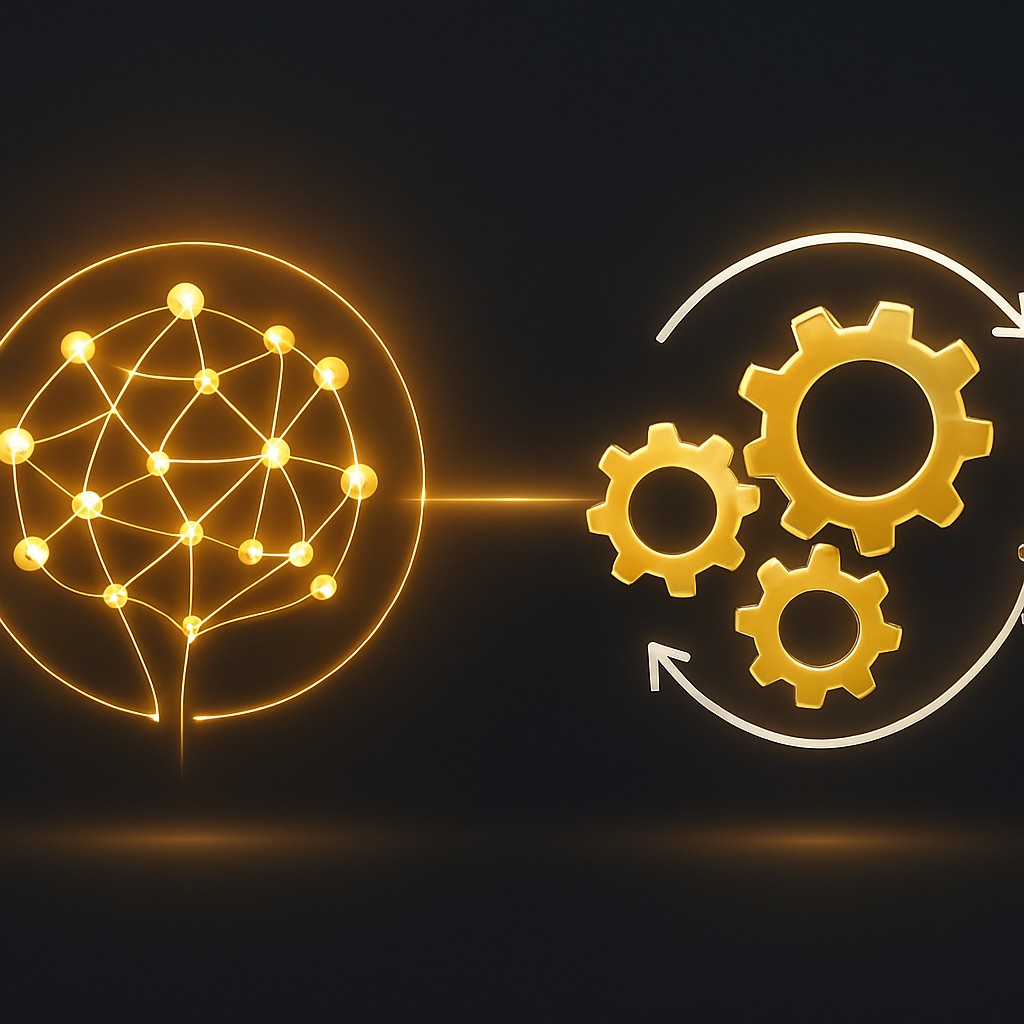
The terms artificial intelligence and marketing automation are often used interchangeably, but they describe fundamentally different things. Confusing the two leads to misguided expectations and missed opportunities. Marketing automation executes predefined tasks based on rules, while AI learns, predicts, and makes decisions on its own. Understanding the distinction, and how the two complement each other, is essential for any business looking to build a modern, efficient marketing operation that is both reliable and intelligent.
How AAMAX.CO Helps You Use Both Effectively
Knowing the difference between AI and automation is the first step; combining them effectively is where real results come from. AAMAX.CO, a full-service digital marketing company serving businesses worldwide, helps organizations deploy both technologies in harmony. They design digital marketing systems where automation handles execution and AI adds intelligence, ensuring each is used for what it does best. Their guidance helps businesses avoid common pitfalls and build marketing engines that are both efficient and genuinely smart.
What Marketing Automation Actually Does
Marketing automation is about executing repetitive tasks automatically according to rules that humans define. It sends a welcome email when someone subscribes, moves a lead to the next stage when they take an action, or posts content on a schedule. Automation is reliable and efficient, but it follows instructions literally. It does exactly what it is told, no more and no less, and it cannot adapt beyond the rules it has been given.
What Artificial Intelligence Brings
AI, by contrast, learns from data and makes decisions on its own. Rather than following fixed rules, it identifies patterns, predicts outcomes, and adapts its behavior as it encounters new information. Where automation requires a human to specify every condition, AI can determine the best action itself. It brings a layer of intelligence that allows marketing systems to handle complexity and nuance far beyond what rules alone could manage.
The Core Difference: Rules Versus Learning
The fundamental distinction is that automation follows rules while AI learns. An automated workflow does the same thing every time its conditions are met. An AI system, however, improves over time, refining its decisions based on results. Automation is static and predictable; AI is dynamic and adaptive. This difference shapes how each should be applied within a marketing strategy.
Where Automation Excels
Automation shines in tasks that are repetitive, predictable, and rule-based. Sending transactional emails, scheduling social posts, routing leads, and triggering follow-ups are all perfect for automation. These tasks benefit from consistency and reliability rather than judgment. Automation ensures they happen flawlessly every time, freeing humans from manual repetition and reducing the chance of error.
Where AI Excels
AI excels at tasks requiring analysis, prediction, and adaptation. Personalizing content for individuals, forecasting which leads will convert, optimizing ad spend in real time, and detecting emerging trends are all jobs for AI. These tasks involve too much complexity and change for fixed rules to handle well. AI's ability to learn and adapt makes it indispensable for decisions that depend on understanding nuance.
How They Work Better Together
The real magic happens when AI and automation combine. AI provides the intelligence to decide what should happen, and automation provides the mechanism to execute it reliably at scale. For example, AI might predict the ideal moment and message for each customer, while automation delivers that message automatically. Together they create marketing systems that are both smart and efficient, adapting intelligently while running seamlessly.
Choosing the Right Tool for the Job
Success comes from applying each technology where it fits best rather than treating them as rivals. Businesses should automate the predictable and apply AI to the complex. Using AI for simple scheduling wastes its potential, while relying on rigid automation for personalization limits results. A thoughtful blend, matched to each task, produces a marketing operation that is far greater than the sum of its parts.
The Evolution From Automation to Intelligence
Marketing technology has been on a clear trajectory from simple automation toward genuine intelligence. Early tools simply executed rules, but each generation has added more learning and adaptability. Today many platforms blend both, layering AI on top of automation engines so that systems not only act but also decide what action to take. Understanding this evolution helps businesses see that AI and automation are not competing eras but complementary layers, with automation providing the dependable foundation and AI adding the intelligence that makes that foundation smart.
What This Means for Your Marketing Strategy
For marketers, the practical takeaway is to audit current processes and ask which need reliability and which need intelligence. Repetitive, predictable workflows should be automated to ensure consistency and free up time. Decisions involving complexity, personalization, or prediction should be powered by AI. Many of the biggest gains come from connecting the two, letting AI inform the triggers and content that automation then delivers. A strategy built on this clear-eyed understanding avoids wasting resources and ensures each technology is deployed where it creates the most value.
Conclusion
AI and marketing automation differ at their core: automation executes predefined rules while AI learns, predicts, and decides. Each excels at different tasks, and the strongest marketing systems combine them so intelligence guides reliable execution. With AAMAX.CO helping to design and integrate both, businesses can build marketing engines that are efficient, adaptive, and genuinely intelligent.
Want to publish a guest post on aamconsultants.org?
Place an order for a guest post or link insertion today.